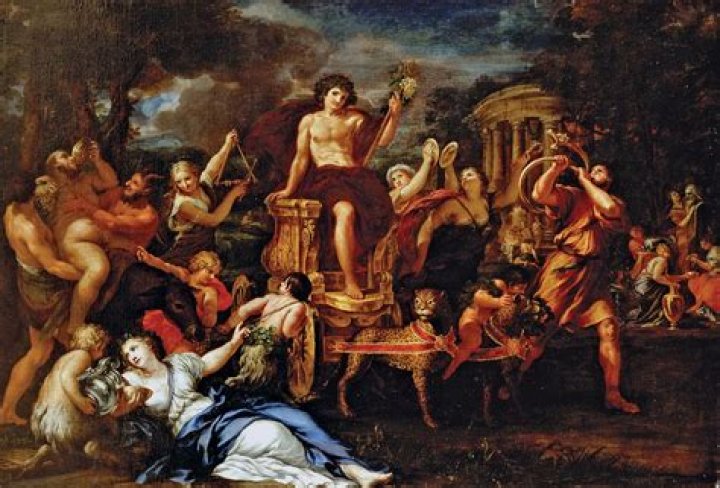
The Feast of Dionysus, an ancient Greek festival, has left an indelible mark on Western civilization, influencing art, theatre, and culture for centuries. This vibrant celebration, dedicated to the god of wine and fertility, Dionysus, was more than just a religious observance—it was a cultural cornerstone that shaped the foundations of modern drama and performance arts. As we delve deeper into this topic, you'll discover how this ancient festival remains relevant in today's world.
This festival, which dates back to the 6th century BCE, was a significant event in the Athenian calendar. It was not only a time for revelry and worship but also a period of artistic expression and civic participation. The Feast of Dionysus brought together citizens from all walks of life, uniting them in a shared celebration of their cultural heritage and spiritual beliefs.
In this article, we will explore the origins, traditions, and lasting impact of the Feast of Dionysus. By examining its historical significance and cultural relevance, we aim to provide a comprehensive understanding of why this festival continues to captivate scholars, artists, and history enthusiasts worldwide. Let's embark on this journey through time to uncover the mysteries and marvels of the Feast of Dionysus.
Origins of the Feast of Dionysus
The Feast of Dionysus traces its roots to ancient Greece, where it began as a rural festival celebrating the god of wine, fertility, and theatre. Dionysus, often referred to as Bacchus in Roman mythology, was a central figure in Greek religion, symbolizing the cycle of life, death, and rebirth. This festival initially started as a local celebration in Attica, but over time, it evolved into one of the most important civic events in Athens.
Historians believe that the origins of the Feast of Dionysus can be linked to earlier agricultural festivals that honored the grape harvest. As Greek society developed, these simple harvest celebrations expanded to include theatrical performances, processions, and religious ceremonies. By the 6th century BCE, the festival had become a grand event, attracting participants from across the Greek world.
Historical Development
The historical development of the Feast of Dionysus is marked by several key milestones. The introduction of theatrical competitions during the festival is one of its most significant innovations. These competitions, which featured tragedies and comedies, laid the foundation for the development of Western drama. The festival also played a crucial role in fostering civic unity and reinforcing social hierarchies within the Athenian polis.
- 6th Century BCE: Theatrical competitions were introduced.
- 5th Century BCE: The festival became a major civic event in Athens.
- 4th Century BCE: The festival's influence spread to other Greek city-states.
Significance of the Feast of Dionysus
The significance of the Feast of Dionysus extends beyond its religious and cultural dimensions. It was a time when citizens could engage in collective worship, artistic expression, and communal celebration. The festival provided a platform for artists, poets, and playwrights to showcase their talents, while also reinforcing the values of democracy and civic participation.
For the ancient Greeks, the Feast of Dionysus was not just a celebration of wine and revelry but also a reflection of their worldview. Dionysus, as the god of intoxication and ecstasy, represented the wild, untamed aspects of human nature. Through the festival, participants could explore these primal instincts in a controlled and ritualized manner, achieving a sense of catharsis and renewal.
Cultural and Religious Importance
Culturally, the Feast of Dionysus was a celebration of creativity and innovation. It encouraged the development of new artistic forms and provided a space for experimentation. Religiously, it served as a reminder of the Greeks' connection to the divine and the natural world. The festival's rituals and ceremonies reinforced the belief in the cyclical nature of life and the importance of balance between chaos and order.
Rituals and Celebrations
The rituals and celebrations associated with the Feast of Dionysus were diverse and multifaceted. They included processions, sacrifices, and theatrical performances, all of which were designed to honor the god and ensure his favor. The festival began with a grand procession, known as the "Dionysia," in which participants carried statues of Dionysus through the streets of Athens.
One of the most important rituals was the offering of the "oxen sacrifice," which symbolized the bounty and fertility associated with Dionysus. This sacrifice was followed by a communal feast, where participants shared food and wine, reinforcing the bonds of community and friendship.
Key Rituals
- Dionysia Procession: A grand parade featuring statues of Dionysus.
- Oxen Sacrifice: A symbolic offering to the god of fertility and abundance.
- Communal Feast: A shared meal that celebrated unity and prosperity.
Theatre and Drama in the Feast of Dionysus
One of the most enduring legacies of the Feast of Dionysus is its contribution to the development of theatre and drama. The festival's theatrical competitions attracted some of the greatest playwrights of ancient Greece, including Aeschylus, Sophocles, and Euripides. These competitions were held in the Theatre of Dionysus, a magnificent amphitheater located at the foot of the Acropolis.
The plays performed during the festival were diverse, ranging from tragedies that explored the human condition to comedies that poked fun at contemporary issues. The festival's emphasis on artistic excellence and innovation helped to establish the foundations of Western drama, influencing playwrights and directors for centuries to come.
Types of Plays
- Tragedies: Serious plays that explored themes of suffering, loss, and redemption.
- Comedies: Humorous plays that satirized social norms and political issues.
- Satyr Plays: A unique genre that combined elements of both tragedy and comedy.
The Role of Wine in the Festival
Wine played a central role in the Feast of Dionysus, symbolizing the god's connection to fertility, abundance, and ecstasy. The festival's rituals often involved the consumption of wine, which was believed to bring participants closer to the divine. Wine was also used as an offering to Dionysus, ensuring his favor and protection.
The production and consumption of wine during the festival were closely tied to the agricultural cycle of the grape harvest. The festival marked the end of the harvest season and the beginning of the new year, making it a time of celebration and renewal. The shared consumption of wine reinforced social bonds and created a sense of community among participants.
Symbolic Meaning of Wine
Wine in the Feast of Dionysus symbolized several key themes:
- Fertility: Wine represented the abundance of the earth and the fertility of the land.
- Eccentricity: The intoxicating effects of wine symbolized the wild, untamed aspects of human nature.
- Unity: The shared consumption of wine fostered a sense of community and belonging.
Impact on Western Culture
The impact of the Feast of Dionysus on Western culture is profound and far-reaching. Its influence can be seen in the development of theatre, literature, and the arts, as well as in the cultural traditions of modern societies. The festival's emphasis on artistic expression and civic participation has inspired countless artists, writers, and thinkers throughout history.
In addition to its artistic influence, the Feast of Dionysus has also shaped our understanding of religion and spirituality. The festival's celebration of the divine through ritual and performance has informed modern religious practices and cultural celebrations. Its legacy can be seen in the way we approach creativity, community, and the sacred in our daily lives.
Legacy of the Feast
- Development of Western drama and theatre.
- Influence on religious and cultural traditions.
- Contribution to the arts and humanities.
Modern Celebrations of Dionysus
Although the Feast of Dionysus is no longer celebrated in its original form, its spirit lives on in modern celebrations and festivals around the world. Many contemporary festivals, such as Mardi Gras and Carnival, draw inspiration from the ancient Greek celebration, incorporating elements of music, dance, and theatrical performance.
In addition to these cultural celebrations, the Feast of Dionysus continues to inspire artists and scholars who study its legacy and influence. Modern adaptations of ancient Greek plays and performances dedicated to Dionysus keep the spirit of the festival alive, reminding us of its enduring relevance and significance.
Contemporary Festivals
- Mardi Gras: A festival that incorporates music, dance, and revelry.
- Carnival: A celebration that emphasizes community and artistic expression.
- Modern Theatre: Adaptations of ancient Greek plays that honor the festival's legacy.
Historical Context of the Feast
To fully appreciate the significance of the Feast of Dionysus, it is important to understand its historical context. The festival emerged during a period of great cultural and political transformation in ancient Greece. The development of democracy in Athens, the rise of philosophical thought, and the flourishing of the arts all contributed to the festival's growth and popularity.
The Feast of Dionysus was closely tied to the political and social structures of Athenian society. It provided a platform for civic participation and reinforced the values of democracy and equality. At the same time, the festival's emphasis on artistic expression and innovation helped to shape the cultural identity of ancient Greece.
Key Historical Events
- Development of Democracy in Athens.
- Rise of Philosophical Thought.
- Flourishing of the Arts and Culture.
Artistic Influence of the Feast
The artistic influence of the Feast of Dionysus is evident in the works of countless artists, writers, and thinkers throughout history. From Shakespeare to Picasso, the festival's legacy has inspired generations of creatives who have drawn upon its themes and motifs in their work. The festival's emphasis on innovation and experimentation has encouraged artists to push the boundaries of their craft, resulting in some of the most groundbreaking works in the history of art.
In addition to its influence on individual artists, the Feast of Dionysus has also shaped the development of entire art forms. The festival's contribution to the evolution of theatre and drama has had a lasting impact on the performing arts, influencing everything from film to opera. Its legacy continues to inspire artists and audiences alike, reminding us of the power of creativity and imagination.
Conclusion and Reflection
In conclusion, the Feast of Dionysus remains one of the most significant cultural and religious festivals in the history of ancient Greece. Its influence on Western civilization is profound, shaping the development of theatre, literature, and the arts. Through its emphasis on artistic expression, civic participation, and spiritual renewal, the festival continues to captivate and inspire people around the world.
We invite you to reflect on the legacy of the Feast of Dionysus and its relevance to our modern lives. How can we incorporate its values of creativity, community, and spirituality into our daily routines? Share your thoughts in the comments below, and don't forget to explore our other articles on ancient history and culture. Together, we can continue to celebrate and preserve the rich traditions of the past for future generations.




