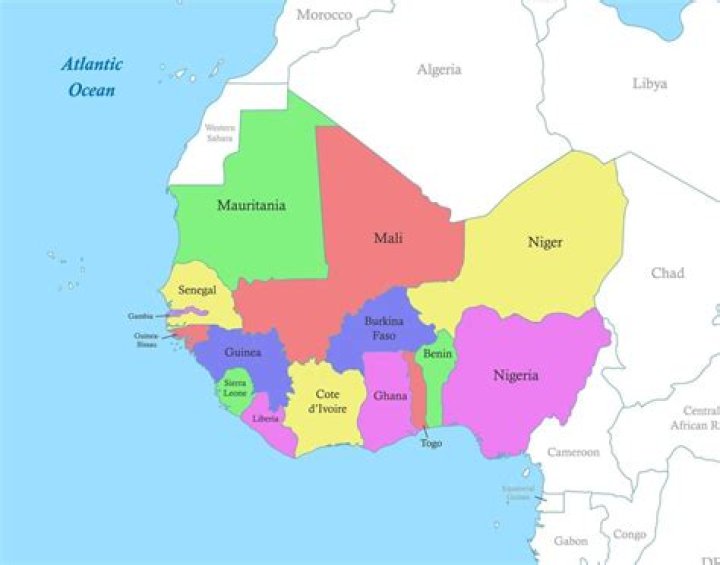
Western Africa is a vibrant region rich in cultural diversity, natural resources, and historical significance. This area, consisting of 16 countries, plays a crucial role in the global economy and international relations. From its bustling cities to its stunning landscapes, Western Africa offers a unique blend of tradition and modernity that captivates the world.
Spanning an area of approximately 5 million square kilometers, Western Africa is home to over 380 million people, making it one of the most populous regions in the continent. The region's strategic location along the Atlantic Ocean has historically made it a hub for trade, migration, and cultural exchange. This article will delve into the fascinating aspects of Western Africa, including its history, economy, culture, and future prospects.
As you explore this guide, you will gain a deeper understanding of the challenges and opportunities that shape Western Africa today. Whether you're a traveler, investor, or simply curious about the region, this article aims to provide valuable insights and information to enhance your knowledge.
The Rich History of Western Africa
Western Africa's history dates back thousands of years, marked by the rise and fall of powerful empires and kingdoms. The region was home to some of the most influential civilizations in Africa, including the Ghana Empire, Mali Empire, and Songhai Empire. These empires were renowned for their wealth, particularly in gold and salt, which facilitated extensive trade networks across the Sahara Desert.
Key Historical Events in Western Africa
- The establishment of the Trans-Saharan trade routes, which connected Western Africa to the Middle East and Europe.
- The arrival of European explorers and traders in the 15th century, leading to the Atlantic slave trade.
- The colonization of Western African countries by European powers in the late 19th and early 20th centuries.
- The independence movements of the mid-20th century, which resulted in the liberation of many Western African nations.
According to the United Nations Educational, Scientific and Cultural Organization (UNESCO), Western Africa is home to numerous World Heritage Sites, including the ancient city of Timbuktu and the Osun-Osogbo Sacred Grove, which highlight the region's rich historical legacy.
Geography and Climate of Western Africa
Western Africa is characterized by its diverse geography, ranging from lush rainforests in the south to arid deserts in the north. The region is bordered by the Atlantic Ocean to the west, the Sahara Desert to the north, and the Gulf of Guinea to the south. This geographical diversity contributes to the unique climate patterns found in Western Africa.
Climate Zones in Western Africa
- Tropical rainforest climate in the coastal regions, with high temperatures and heavy rainfall.
- Savanna climate in the central areas, featuring distinct wet and dry seasons.
- Desert climate in the northern regions, dominated by the Sahara Desert.
According to the Intergovernmental Panel on Climate Change (IPCC), climate change poses significant challenges to Western Africa, including increased frequency of droughts and floods, which affect agriculture and water resources.
Cultural Diversity in Western Africa
Western Africa is renowned for its cultural diversity, with over 2,000 ethnic groups and languages spoken across the region. This diversity is reflected in the region's music, art, cuisine, and traditional practices. From the vibrant rhythms of Afrobeat to the intricate designs of textiles, Western Africa's cultural heritage is a testament to its creativity and resilience.
Traditional Festivals in Western Africa
- The Durbar Festival in Nigeria, celebrating the rich equestrian traditions of the Hausa people.
- The Argungu Fishing Festival in Nigeria, showcasing the fishing skills of the local communities.
- The Fête de la Musique in Senegal, promoting the region's rich musical heritage.
Western African culture has also influenced global art forms, such as jazz and blues, through the transatlantic connections established during the slave trade era.
The Economy of Western Africa
The economy of Western Africa is driven by a combination of agriculture, natural resources, and emerging industries. The region is a major producer of commodities such as cocoa, oil, and gold, contributing significantly to the global market. In recent years, Western Africa has experienced rapid economic growth, driven by investments in infrastructure, technology, and human capital.
Key Industries in Western Africa
- Agriculture: The backbone of the region's economy, employing over 60% of the population.
- Oil and Gas: A major source of revenue for countries like Nigeria, Ghana, and Equatorial Guinea.
- Manufacturing: Growing sector with increasing investments in textiles, food processing, and construction materials.
According to the World Bank, Western Africa's GDP grew by an average of 3.5% annually between 2015 and 2020, despite challenges posed by global economic uncertainties and the COVID-19 pandemic.
Tourism in Western Africa
Western Africa offers a wealth of tourism opportunities, from historical sites to natural wonders. The region's rich cultural heritage, combined with its stunning landscapes, attracts visitors from around the world. Tourism plays a vital role in the region's economy, providing employment and generating foreign exchange.
Top Tourist Destinations in Western Africa
- Gorée Island in Senegal, a UNESCO World Heritage Site that highlights the history of the transatlantic slave trade.
- The Mole National Park in Ghana, home to diverse wildlife, including elephants and antelopes.
- The W National Park, a transboundary park shared by Benin, Burkina Faso, and Niger, known for its rich biodiversity.
According to the World Tourism Organization (UNWTO), Western Africa received over 6 million international tourists in 2019, contributing approximately $10 billion to the regional economy.
Education and Innovation in Western Africa
Education is a priority for Western African countries, with significant investments being made to improve access and quality. The region is home to several prestigious universities and research institutions, contributing to advancements in science, technology, and innovation. Despite progress, challenges such as inadequate funding and infrastructure remain.
Key Educational Institutions in Western Africa
- University of Ibadan in Nigeria, one of the oldest and most prestigious universities in the region.
- Cheikh Anta Diop University in Senegal, renowned for its research in archaeology and anthropology.
- African Institute for Mathematical Sciences (AIMS) in Ghana, promoting mathematical sciences and innovation.
According to UNESCO, the literacy rate in Western Africa has increased from 30% in 1990 to over 60% in 2020, reflecting the region's commitment to education.
Healthcare System in Western Africa
The healthcare system in Western Africa faces numerous challenges, including limited resources, inadequate infrastructure, and a shortage of skilled healthcare professionals. However, significant progress has been made in recent years, with increased investments in healthcare facilities and programs aimed at improving public health.
Key Health Challenges in Western Africa
- Malaria: A major health issue in the region, with over 90% of cases occurring in Western Africa.
- Maternal and Child Health: High maternal and infant mortality rates due to limited access to healthcare services.
- Non-Communicable Diseases: Rising prevalence of conditions such as diabetes and hypertension.
According to the World Health Organization (WHO), Western African countries have made strides in improving healthcare access, with increased vaccination coverage and the establishment of community health programs.
Political Landscape of Western Africa
The political landscape of Western Africa is diverse, with countries ranging from stable democracies to those facing governance challenges. Regional organizations such as the Economic Community of West African States (ECOWAS) play a crucial role in promoting peace, security, and economic integration in the region.
Key Political Issues in Western Africa
- Democratization: Many Western African countries have transitioned to democratic governance in recent decades.
- Security Challenges: The region faces threats from terrorism, piracy, and organized crime.
- Regional Cooperation: ECOWAS initiatives aim to enhance economic and political integration among member states.
According to the African Development Bank, political stability and regional cooperation are essential for sustaining economic growth and development in Western Africa.
Future Prospects for Western Africa
Western Africa's future is promising, with opportunities for growth and development in various sectors. The region's youthful population, abundant natural resources, and strategic location make it an attractive destination for investment and innovation. However, addressing challenges such as poverty, inequality, and climate change will be crucial for realizing its full potential.
Key Areas for Future Development
- Sustainable Agriculture: Promoting climate-smart agriculture to enhance food security and resilience.
- Digital Economy: Expanding access to digital technologies and fostering innovation in the tech sector.
- Infrastructure Development: Investing in transportation, energy, and communication infrastructure to boost connectivity and productivity.
According to the African Union, Western Africa's integration into the African Continental Free Trade Area (AfCFTA) presents significant opportunities for regional trade and economic growth.
Conclusion
Western Africa is a region of immense cultural, historical, and economic significance. From its rich history and diverse cultures to its growing economy and vibrant tourism sector, the region offers a wealth of opportunities for exploration and investment. By addressing existing challenges and leveraging its strengths, Western Africa can continue to thrive and contribute to global progress.
We encourage you to share your thoughts and experiences about Western Africa in the comments below. Feel free to explore other articles on our website for more insights into this fascinating region. Together, let's celebrate the beauty and potential of Western Africa!




