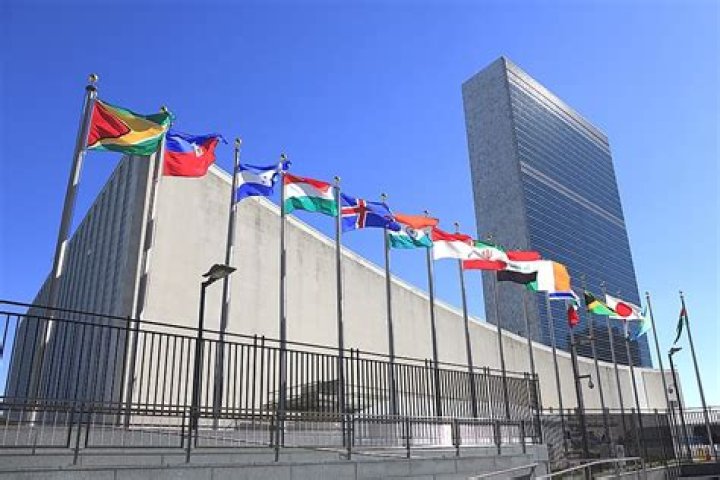
The United Nations Headquarters, located in New York City, serves as the epicenter of global diplomacy and international cooperation. It is more than just a building; it's a symbol of peace, unity, and progress for nations worldwide. Established in 1945, the UN Headquarters plays a pivotal role in addressing global challenges and fostering dialogue among member states.
The United Nations (UN) is one of the most influential international organizations in the world, and its headquarters is a testament to its mission. Situated along the East River in Manhattan, the UN Headquarters is a hub for leaders, diplomats, and policymakers from around the globe. Its strategic location and architectural design reflect the organization's commitment to fostering peace and collaboration.
In this article, we will delve into the history, architecture, functions, and significance of the UN Headquarters. Whether you're a student, researcher, or simply curious about global affairs, this guide will provide you with valuable insights into the operations and impact of this iconic institution.
History of the UN Headquarters
The idea for a permanent headquarters for the United Nations emerged shortly after its establishment in 1945. After extensive negotiations, the United States was chosen as the host country, and New York City was selected as the site. The land for the headquarters was donated by John D. Rockefeller Jr., who purchased the property and gifted it to the organization. Construction began in 1949 and was completed in 1952.
Key Events in the History of the UN Headquarters
- 1945: The United Nations is officially founded.
- 1946: The General Assembly meets for the first time in London, sparking discussions about a permanent headquarters.
- 1949: Construction of the UN Headquarters begins in New York City.
- 1952: The UN Headquarters is officially inaugurated.
The history of the UN Headquarters reflects the organization's commitment to addressing global challenges and fostering international cooperation. Its establishment marked a significant milestone in the evolution of global governance.
Location and Layout of the UN Headquarters
The UN Headquarters is strategically located in Midtown Manhattan, along the East River. This prime location offers stunning views of the river and provides easy access to transportation networks, making it accessible to diplomats and visitors from around the world. The layout of the headquarters includes several key buildings, each serving a specific purpose.
Key Buildings at the UN Headquarters
- The General Assembly Building: Where member states convene for meetings and discussions.
- The Secretariat Building: Houses the administrative offices of the UN.
- The Conference Building: Provides facilities for various international conferences and events.
The layout of the UN Headquarters is designed to facilitate efficient communication and collaboration among member states, ensuring that the organization can effectively address global issues.
Architectural Design and Features
The architectural design of the UN Headquarters is a blend of modernism and functionality. The buildings are characterized by their sleek lines, glass facades, and open spaces, reflecting the organization's commitment to transparency and inclusivity. The headquarters was designed by an international team of architects, including Oscar Niemeyer and Le Corbusier, who aimed to create a structure that symbolized global unity.
Notable Features of the UN Headquarters
- The General Assembly Hall: A spacious auditorium where member states gather for discussions.
- The Dag Hammarskjöld Library: A comprehensive resource center for researchers and policymakers.
- Public Gardens: Green spaces that provide a serene environment for visitors and staff.
The architectural design of the UN Headquarters not only serves functional purposes but also serves as a symbol of the organization's values and mission.
Functions and Operations of the UN Headquarters
The UN Headquarters serves as the nerve center for the organization's operations. It hosts the General Assembly, the Security Council, and various specialized agencies, each playing a critical role in addressing global challenges. The headquarters facilitates dialogue and negotiation among member states, enabling them to work together to resolve conflicts, promote human rights, and address environmental concerns.
Key Functions of the UN Headquarters
- Facilitating international diplomacy and cooperation.
- Providing a platform for global discussions on pressing issues.
- Coordinating humanitarian efforts and development initiatives.
Through its various functions, the UN Headquarters plays a vital role in shaping global policies and promoting peace and stability worldwide.
Security Measures at the UN Headquarters
Given its status as a global hub for diplomacy and international cooperation, the UN Headquarters implements stringent security measures to ensure the safety of its staff, visitors, and dignitaries. These measures include advanced surveillance systems, restricted access zones, and a dedicated security team.
Key Security Features
- 24/7 surveillance and monitoring.
- Security checkpoints and metal detectors.
- Restricted access to sensitive areas.
The security measures at the UN Headquarters are designed to protect the integrity of the organization and ensure that its operations can proceed without disruption.
Visiting the UN Headquarters
The UN Headquarters offers guided tours that provide visitors with an opportunity to learn about the organization's history, mission, and operations. These tours are led by knowledgeable guides who offer insights into the architecture, symbolism, and significance of the buildings. Visitors can explore the General Assembly Hall, the Security Council Chamber, and the public gardens.
How to Visit the UN Headquarters
- Book tickets in advance through the official UN website.
- Arrive at least 30 minutes before your scheduled tour.
- Follow all security guidelines and restrictions.
Visiting the UN Headquarters is an enriching experience that offers a glimpse into the workings of one of the world's most important international organizations.
Symbolism of the UN Headquarters
The UN Headquarters is more than just a physical structure; it is a powerful symbol of global unity and cooperation. Its design and location reflect the organization's commitment to fostering peace and promoting human rights. The headquarters serves as a reminder of the shared responsibilities and aspirations of nations worldwide.
Symbolic Elements of the UN Headquarters
- The General Assembly Hall: Represents the collective voice of member states.
- The Public Gardens: Symbolize the organization's dedication to environmental sustainability.
- The Flags of Member States: Reflect the diversity and inclusivity of the UN.
The symbolism of the UN Headquarters underscores its role as a beacon of hope and progress for the global community.
Global Impact and Influence
The UN Headquarters has a profound impact on global affairs, influencing policies and initiatives that shape the world. Through its various programs and initiatives, the organization addresses pressing issues such as poverty, climate change, and human rights violations. The headquarters serves as a platform for member states to collaborate and find solutions to these challenges.
Key Contributions of the UN Headquarters
- Promoting sustainable development through the Sustainable Development Goals (SDGs).
- Facilitating peacekeeping missions and conflict resolution efforts.
- Advancing human rights through advocacy and education.
The global impact of the UN Headquarters is a testament to the organization's effectiveness in addressing the most pressing issues facing humanity.
Challenges Faced by the UN Headquarters
Despite its successes, the UN Headquarters faces numerous challenges that threaten its effectiveness and credibility. Issues such as funding shortages, political divisions, and bureaucratic inefficiencies can hinder the organization's ability to achieve its goals. However, the headquarters remains committed to overcoming these challenges and continuing its vital work.
Key Challenges Facing the UN Headquarters
- Securing adequate funding for programs and initiatives.
- Addressing political divisions among member states.
- Streamlining operations to improve efficiency.
By addressing these challenges head-on, the UN Headquarters can continue to play a leading role in global governance and international cooperation.
Future Developments and Plans
Looking ahead, the UN Headquarters is focused on adapting to the evolving needs of the global community. This includes modernizing its facilities, embracing new technologies, and expanding its outreach efforts. The organization is also committed to promoting greater inclusivity and participation from underrepresented groups.
Future Plans for the UN Headquarters
- Upgrading infrastructure to enhance sustainability and efficiency.
- Expanding digital platforms to facilitate remote participation.
- Strengthening partnerships with civil society and the private sector.
Through these developments, the UN Headquarters aims to remain at the forefront of global efforts to promote peace, prosperity, and sustainability for all.
Conclusion
The headquarters of the United Nations stands as a symbol of global unity and cooperation, playing a vital role in addressing the most pressing issues facing humanity. From its inception in 1945 to its current status as a hub for international diplomacy, the UN Headquarters has demonstrated its commitment to fostering peace, promoting human rights, and advancing sustainable development.
As we have explored in this article, the UN Headquarters is not only a physical structure but also a powerful symbol of hope and progress. Its architecture, functions, and symbolism reflect the organization's values and mission, while its global impact and influence underscore its importance in shaping the future of our world.
We invite you to share your thoughts and insights in the comments section below. Additionally, feel free to explore other articles on our site to learn more about global affairs and the United Nations. Together, we can continue to support the vital work of this iconic institution.




