Underwater plants play a crucial role in maintaining the balance of aquatic ecosystems worldwide. These remarkable organisms contribute significantly to oxygen production, nutrient cycling, and providing habitats for marine life. Understanding their importance and diversity is essential for preserving marine environments.
From lush kelp forests to vibrant seagrass meadows, underwater plants form the foundation of many aquatic food webs. They support a wide range of marine species, from tiny plankton to large marine mammals. This article delves into the fascinating world of underwater plants, exploring their characteristics, ecological significance, and the challenges they face in today's changing world.
As we dive deeper into the realm of underwater plants, we will discover how these organisms have adapted to survive in diverse aquatic environments. By understanding their roles and the threats they face, we can better appreciate the importance of protecting these vital components of marine ecosystems.
What Are Underwater Plants?
Underwater plants refer to a diverse group of aquatic organisms that thrive in freshwater and marine environments. These plants have evolved specialized adaptations to survive submerged in water, such as modified root systems, floating leaves, and efficient gas exchange mechanisms. Unlike terrestrial plants, underwater plants rely on water currents and diffusion for nutrient absorption and gas exchange.
These plants can be classified into macrophytes (large, visible plants) and phytoplankton (microscopic plants). Both types play critical roles in aquatic ecosystems, contributing to primary production and supporting diverse marine life. According to the National Oceanic and Atmospheric Administration (NOAA), underwater plants produce approximately 70% of the Earth's oxygen, making them vital for both marine and terrestrial life.
Types of Underwater Plants
Seagrasses
Seagrasses are flowering plants that grow in shallow marine environments. They form dense meadows that provide habitats for numerous marine species. Some common seagrass species include:
- Turtlegrass (Thalassia testudinum)
- Eelgrass (Zostera marina)
- Halophila spp.
These plants are crucial for carbon sequestration and stabilizing sediment in coastal areas.
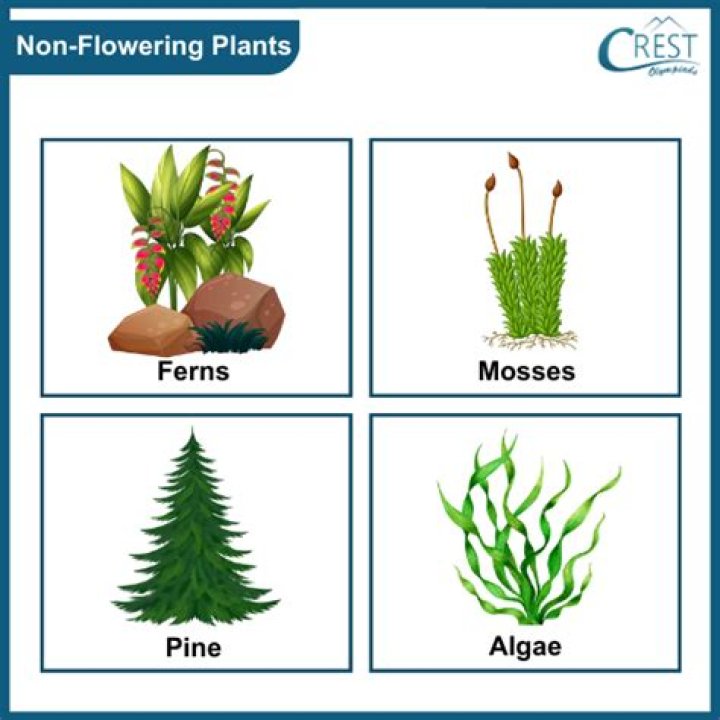
Algae
Algae are a diverse group of photosynthetic organisms that range from single-celled phytoplankton to large multicellular seaweeds. They can be categorized into:
- Green algae (Chlorophyta)
- Red algae (Rhodophyta)
- Brown algae (Phaeophyta)
Algae contribute significantly to global primary production and serve as food sources for many marine animals.
Biological Characteristics
Underwater plants exhibit unique biological features that enable them to thrive in aquatic environments. These include:
- Specialized root systems for anchorage and nutrient absorption
- Thin, flexible leaves to reduce drag and maximize light absorption
- Efficient gas exchange mechanisms through stomata or specialized cells
- Adaptations for buoyancy and stability in water currents
These adaptations allow underwater plants to compete effectively for resources in their respective habitats.
Ecological Importance
Underwater plants play a vital role in maintaining healthy aquatic ecosystems. They:
- Produce oxygen through photosynthesis
- Provide food and shelter for marine organisms
- Stabilize sediments and prevent coastal erosion
- Facilitate nutrient cycling and water purification
For instance, seagrass meadows act as nurseries for many commercially important fish species, while coral reefs depend on algae for energy and structural support.
Economic Impact
Fisheries and Aquaculture
Underwater plants support global fisheries by providing habitats and food for fish and shellfish. Seagrass meadows and kelp forests are particularly important for sustaining fish populations. Additionally, seaweed farming has become a significant industry in many coastal regions, providing employment and economic benefits to local communities.
Pharmaceuticals and Cosmetics
Algae and other underwater plants are used in the production of various pharmaceuticals, food supplements, and cosmetic products. Compounds derived from these plants have anti-inflammatory, antioxidant, and antimicrobial properties, making them valuable for medical and cosmetic applications.
Threats to Underwater Plants
Underwater plants face numerous threats from human activities and environmental changes. These include:
- Coastal development and habitat destruction
- Pollution from agricultural runoff and industrial waste
- Climate change and ocean acidification
- Overfishing and destructive fishing practices
For example, nutrient-rich runoff from agricultural activities can cause harmful algal blooms, depleting oxygen levels and harming marine life.
Conservation Efforts
Efforts to protect underwater plants involve a combination of legislation, scientific research, and community involvement. Key strategies include:
- Establishing marine protected areas (MPAs) to safeguard critical habitats
- Implementing sustainable fishing practices to reduce habitat damage
- Restoring degraded seagrass beds and coral reefs
- Promoting public awareness and education about the importance of underwater plants
Organizations such as the International Union for Conservation of Nature (IUCN) and local conservation groups play important roles in these efforts.
Underwater Plants and Climate Change
Climate change poses significant challenges to underwater plants. Rising sea temperatures, ocean acidification, and increased storm frequency can negatively impact their growth and distribution. However, some species, such as certain types of algae, may benefit from elevated carbon dioxide levels.
Research by the Intergovernmental Panel on Climate Change (IPCC) highlights the importance of protecting and restoring underwater plant communities to enhance their resilience to climate change impacts. These ecosystems can act as natural carbon sinks, helping mitigate global warming effects.
Research and Technology
Advances in technology have improved our understanding of underwater plants and their ecological roles. Remote sensing, underwater drones, and genetic analysis are some of the tools used in modern research. These technologies enable scientists to monitor plant health, map habitats, and study species interactions more effectively.
Innovative approaches, such as artificial reefs and floating gardens, are being explored to enhance underwater plant growth and restore damaged ecosystems.
Future Perspectives
Looking ahead, the conservation and management of underwater plants will require collaborative efforts across scientific, governmental, and community levels. Emphasizing sustainable practices, supporting research initiatives, and fostering international cooperation are essential steps toward preserving these vital ecosystems.
As we continue to learn more about underwater plants, their potential applications in biotechnology, renewable energy, and environmental restoration will likely expand, offering new opportunities for innovation and growth.
Conclusion
Underwater plants are indispensable components of aquatic ecosystems, contributing to oxygen production, biodiversity support, and economic benefits. Understanding their roles and addressing the challenges they face is crucial for ensuring the health and sustainability of marine environments.
We encourage readers to share this article, explore related topics, and engage in conservation efforts to protect these vital organisms. Together, we can make a positive impact on the future of underwater plants and the ecosystems they sustain.