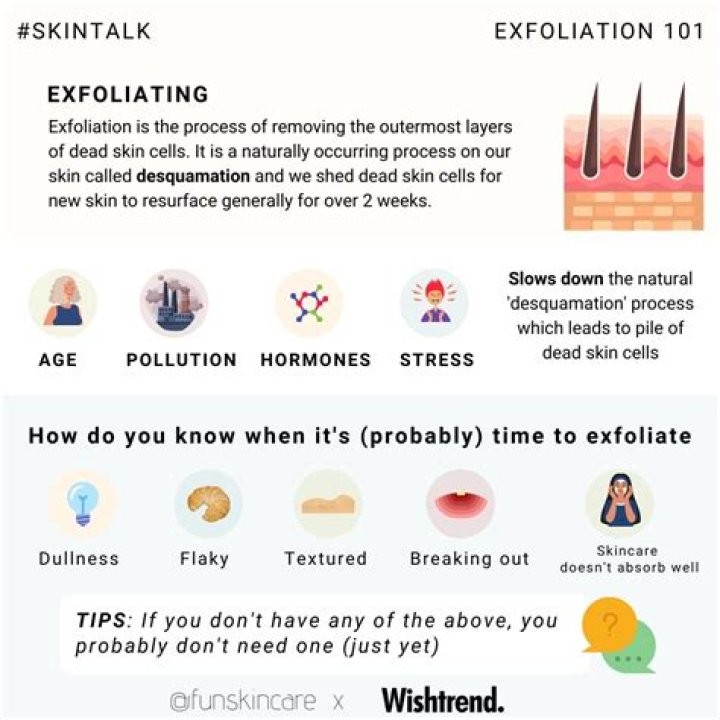
Exfoliating is one of the most important steps in your skincare routine, yet it's often misunderstood or overlooked. Many people believe that exfoliating is just about scrubbing their skin, but there’s much more to it. This comprehensive exfoliating guide will help you understand the science behind exfoliation, its benefits, and how to incorporate it into your skincare routine effectively. Whether you're a skincare novice or an enthusiast, this guide is designed to answer all your questions and provide actionable tips.
Exfoliation involves the removal of dead skin cells from the surface of your skin. These dead cells can clog pores, dull your complexion, and make your skin feel rough. By regularly exfoliating, you can reveal smoother, brighter, and healthier skin. But with so many products and methods available, it's easy to get confused. That's why we’ve created this detailed guide to simplify the process for you.
In this article, we'll explore everything from the basics of exfoliation to advanced techniques. You'll learn about the different types of exfoliants, their benefits, and how to choose the right one for your skin type. Let’s dive in and discover how exfoliating can transform your skincare routine.
What is Exfoliation?
Exfoliation is the process of removing dead skin cells from the outermost layer of your skin. This natural process occurs when new skin cells push their way up from the lower layers of the epidermis to the surface. However, as we age, this process slows down, leading to a buildup of dead skin cells that can make your complexion appear dull and uneven.
There are two main types of exfoliation: physical and chemical. Physical exfoliation involves using scrubs, brushes, or other tools to manually remove dead skin cells. Chemical exfoliation, on the other hand, uses acids or enzymes to dissolve dead skin cells and promote cell turnover. Both methods have their own benefits and drawbacks, which we’ll explore in detail later in this guide.
Benefits of Exfoliation
Exfoliating offers numerous benefits for your skin, making it an essential part of any skincare routine. Here are some of the key advantages:
- Brighter Complexion: By removing dead skin cells, exfoliation helps reveal smoother and brighter skin.
- Improved Texture: Regular exfoliation can help reduce the appearance of fine lines, wrinkles, and scars, leaving your skin feeling softer and more even.
- Enhanced Product Absorption: When your skin is free of dead cells, it can better absorb serums, moisturizers, and other skincare products.
- Reduced Acne: Exfoliation helps unclog pores, reducing the likelihood of breakouts and blackheads.
- Stimulated Circulation: Physical exfoliation, in particular, can improve blood flow to the skin, giving you a healthy glow.
Types of Exfoliants
Exfoliants come in various forms, each designed to target specific skin concerns. Understanding the differences between them can help you choose the right product for your needs.
Physical Exfoliants
Physical exfoliants rely on abrasive particles or tools to remove dead skin cells. Examples include:
- Scrubs: Contain small beads or granules that physically scrub away dead skin.
- Brushes: Electric or manual brushes that gently exfoliate the skin.
- Mitts: Exfoliating mitts made from materials like silk or microfiber.
While effective, physical exfoliants can be harsh if overused, so it's important to use them sparingly and with care.
Chemical Exfoliants
Chemical exfoliants work by dissolving dead skin cells using acids or enzymes. Some common types include:
- AHA (Alpha Hydroxy Acids): Such as glycolic acid and lactic acid, which are great for brightening and hydrating the skin.
- BHA (Beta Hydroxy Acids): Like salicylic acid, which penetrates deeper into pores to unclog them.
- Enzymes: Derived from fruits like papaya and pineapple, these are gentle and effective for sensitive skin.
Chemical exfoliants are often preferred by those with sensitive skin, as they tend to be less irritating than physical methods.
How to Exfoliate Properly
Exfoliating properly is key to achieving the best results without damaging your skin. Follow these steps for a safe and effective exfoliation experience:
- Cleanse Your Skin: Start by washing your face with a gentle cleanser to remove dirt and oil.
- Apply the Exfoliant: Use a small amount of your chosen exfoliant, either by massaging it onto your skin or applying it as directed.
- Rinse Thoroughly: Make sure to rinse off all traces of the exfoliant to avoid irritation.
- Moisturize: Finish with a good moisturizer to lock in hydration and protect your skin barrier.
Remember to always patch test new products and follow the instructions carefully.
How Often Should You Exfoliate?
The frequency of exfoliation depends on your skin type and the type of exfoliant you're using. As a general rule:
- Sensitive Skin: Exfoliate once a week to avoid irritation.
- Normal to Combination Skin: Exfoliate 2-3 times a week for optimal results.
- Oily Skin: Exfoliate up to 3 times a week to keep pores clear.
Always listen to your skin and adjust the frequency as needed.
Best Exfoliants for Different Skin Types
Choosing the right exfoliant for your skin type is crucial for achieving the best results. Here’s a breakdown of the best options for each type:
Exfoliants for Sensitive Skin
If you have sensitive skin, opt for gentle chemical exfoliants like lactic acid or fruit enzymes. These are less likely to cause irritation and can still provide excellent results.
Exfoliants for Oily Skin
For oily skin, BHAs like salicylic acid are ideal as they penetrate deep into pores to unclog them. Physical scrubs with fine particles can also be effective, but use them sparingly to avoid over-exfoliation.
Common Mistakes in Exfoliation
Even with the best intentions, it's easy to make mistakes when exfoliating. Here are some common pitfalls to avoid:
- Over-Exfoliating: Doing it too often can lead to redness, irritation, and even breakouts.
- Using Harsh Products: Choose gentle formulas that suit your skin type.
- Skipping Moisturizer: Always follow up with a moisturizer to keep your skin hydrated.
Scientific Backing of Exfoliation
Exfoliation is backed by scientific research that highlights its benefits for skin health. Studies have shown that regular exfoliation can improve skin texture, reduce hyperpigmentation, and enhance collagen production. For instance, a study published in the Journal of Cosmetic Dermatology found that AHA exfoliants can significantly improve skin smoothness and brightness.
Exfoliating Products to Try
Here are some highly recommended exfoliating products to consider:
- The Ordinary Glycolic Acid 7% Toning Solution: A budget-friendly AHA exfoliant that delivers impressive results.
- Paula’s Choice Skin Perfecting 2% BHA Liquid Exfoliant: A cult-favorite BHA product that effectively clears pores.
- Dermalogica Daily Microfoliant: A gentle yet effective physical exfoliant that’s suitable for all skin types.
Conclusion
Exfoliating is a vital step in maintaining healthy, radiant skin. By understanding the different types of exfoliants and how to use them properly, you can tailor your skincare routine to your specific needs. Remember to exfoliate in moderation and always follow up with moisturizer to keep your skin balanced and hydrated.
We invite you to share your thoughts and experiences with exfoliation in the comments below. Have you tried any of the products mentioned? What works best for your skin type? Don’t forget to explore our other articles for more skincare tips and tricks!