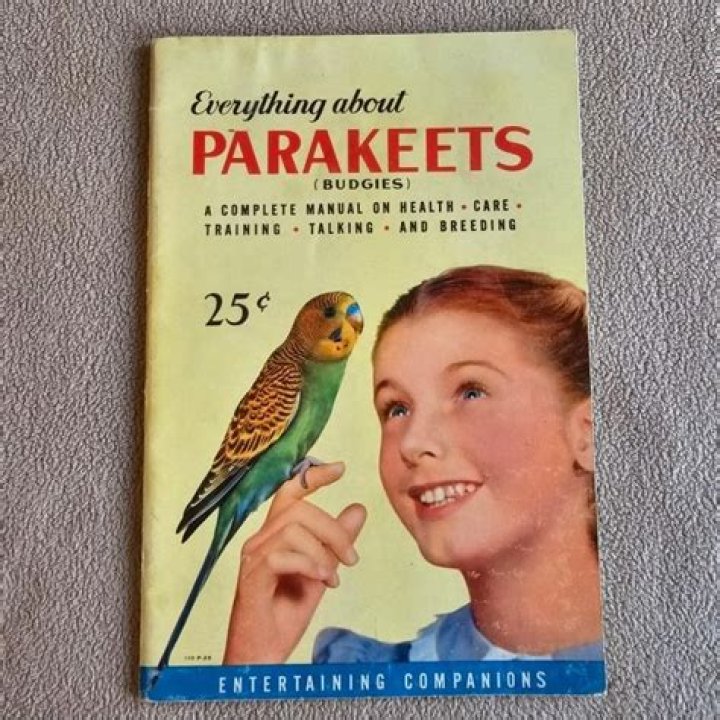
Parakeets, also known as budgerigars or budgies, are one of the most popular pet birds in the world. These small, colorful, and intelligent creatures have captured the hearts of bird enthusiasts globally. Whether you're considering getting a parakeet as a pet or simply want to learn more about these fascinating birds, this guide will provide you with all the essential information you need to know.
Parakeets are not only beautiful but also incredibly social and interactive. Their ability to mimic sounds and words, coupled with their playful nature, makes them a delightful addition to any household. In this article, we will delve into the world of parakeets, exploring everything from their origins and characteristics to their care requirements and more.
By the end of this article, you'll have a thorough understanding of what it takes to care for a parakeet and why they are such beloved companions. Let's dive in and discover everything you need to know about these enchanting feathered friends!
Table of Contents
- Origins and History of Parakeets
- Physical Characteristics of Parakeets
- Behavior and Temperament
- Diet and Nutrition
- Housing and Environment
- Healthcare and Common Health Issues
- Training and Socialization
- Breeding and Reproduction
- Parakeet Lifespan and Longevity
- Tips for New Parakeet Owners
Origins and History of Parakeets
Parakeets, scientifically known as Melopsittacus undulatus, originate from the vast arid regions of Australia. They were first discovered by European explorers in the late 18th century, and their vibrant plumage quickly made them a favorite among bird enthusiasts. By the mid-19th century, parakeets were being bred in captivity, and their popularity as pets began to soar.
Wild Parakeets in Australia
In the wild, parakeets live in large flocks, often numbering in the hundreds. These birds are nomadic, moving across the Australian outback in search of water and food. Their adaptability to harsh environments has allowed them to thrive in various regions, from deserts to grasslands.
Today, parakeets are found all over the world as pets, but their wild counterparts continue to inhabit Australia. Conservation efforts ensure that their natural habitats remain protected, allowing these beautiful birds to flourish in the wild.
Physical Characteristics of Parakeets
Parakeets are small parrots that typically measure about 7 inches in length, including their tail. They weigh between 30 and 40 grams, making them lightweight and agile flyers. Their most striking feature is their colorful plumage, which comes in a variety of shades, including green, blue, yellow, and white.
Common Parakeet Colors
- Green: The natural wild color of parakeets.
- Blue: A popular mutation with a soft blue hue.
- Yellow: A bright and cheerful color variation.
- Albino: A rare mutation with pure white feathers and red eyes.
Parakeets also have a unique crest of feathers on their heads, which they can raise or lower depending on their mood. This feature adds to their charm and makes them even more endearing to bird lovers.
Behavior and Temperament
Parakeets are known for their friendly and sociable nature. They are highly intelligent birds that enjoy interacting with their human companions. Whether it's learning new tricks or mimicking sounds, parakeets are always eager to engage and entertain.
Parakeet Communication
One of the most fascinating aspects of parakeets is their ability to mimic sounds and words. With proper training, they can learn to repeat phrases and even sing songs. This talent makes them a favorite among bird enthusiasts who enjoy teaching their pets new skills.
Additionally, parakeets communicate with each other through a variety of chirps and whistles. Observing their vocalizations can give you insight into their emotions and needs, helping you better understand your feathered friend.
Diet and Nutrition
A well-balanced diet is crucial for the health and longevity of parakeets. In the wild, they primarily feed on seeds, but in captivity, their diet should be more diverse to ensure they receive all the necessary nutrients.
Recommended Foods for Parakeets
- Pelleted food: A staple diet that provides essential vitamins and minerals.
- Fresh fruits and vegetables: Offer a variety of options such as apples, carrots, and spinach.
- Seeds: Provide them in moderation to prevent obesity.
- Calcium supplements: Ensure strong bones and beaks by offering cuttlebones or calcium blocks.
It's important to avoid feeding parakeets foods that are toxic to them, such as chocolate, avocado, and caffeine. Always consult with a veterinarian or avian specialist to ensure your parakeet's diet is appropriate and nutritious.
Housing and Environment
Creating a comfortable and safe environment is essential for the well-being of your parakeet. Their cage should be spacious enough to allow them to spread their wings and move around freely. Additionally, it should be equipped with perches, toys, and other enrichment items to keep them entertained.
Ideal Cage Size
A minimum cage size of 24 inches wide, 18 inches deep, and 18 inches high is recommended for a single parakeet. If you have multiple birds, consider a larger cage to accommodate their needs. The bars should be spaced no more than 1/2 inch apart to prevent them from getting stuck or injured.
Place the cage in a quiet area of your home, away from drafts and direct sunlight. Ensure the temperature remains consistent, as parakeets are sensitive to extreme temperature changes.
Healthcare and Common Health Issues
Regular veterinary check-ups are vital for maintaining your parakeet's health. A qualified avian veterinarian can detect potential issues early and provide appropriate treatments. Some common health problems to watch out for include respiratory infections, feather plucking, and nutritional deficiencies.
Signs of a Healthy Parakeet
- Bright and alert eyes
- Clean and shiny feathers
- Active and playful behavior
- Regular eating and drinking habits
If you notice any changes in your parakeet's behavior or appearance, consult a veterinarian immediately. Early intervention can prevent minor issues from becoming serious health concerns.
Training and Socialization
Training your parakeet can strengthen the bond between you and your feathered companion. Start with basic commands, such as teaching them to step onto your finger. With patience and consistency, you can progress to more advanced tricks and behaviors.
Tips for Successful Training
- Use positive reinforcement, such as treats and praise, to encourage desired behaviors.
- Keep training sessions short and engaging to maintain their interest.
- Be patient and understanding, as each parakeet learns at its own pace.
Socialization is equally important, as parakeets thrive on interaction. Spend time with your bird daily, allowing them to explore outside their cage under supervision. This will help them develop confidence and trust in their environment.
Breeding and Reproduction
If you're interested in breeding parakeets, it's important to understand the process and responsibilities involved. Breeding requires a suitable environment, proper nutrition, and careful monitoring to ensure the health of both the parents and offspring.
Parakeet Breeding Basics
- Provide a nesting box for the female to lay her eggs.
- Ensure both parents receive a nutrient-rich diet during the breeding period.
- Monitor the eggs closely, as incubation typically lasts around 18-21 days.
Once the chicks hatch, they will require special care and attention until they are old enough to leave the nest. Consult with an experienced breeder or veterinarian for guidance on successful breeding practices.
Parakeet Lifespan and Longevity
With proper care and attention, parakeets can live up to 15 years or more. Their lifespan depends on various factors, including genetics, diet, and overall health. Providing a stimulating and nurturing environment can significantly contribute to their longevity.
Factors Affecting Parakeet Lifespan
- Genetics: Some parakeets are naturally predisposed to longer lifespans.
- Diet: A balanced diet rich in nutrients supports their health and vitality.
- Environment: A clean and safe living space promotes longevity.
Regular exercise and mental stimulation are also important for maintaining their physical and mental well-being. Encourage your parakeet to play and explore, ensuring they remain active and engaged throughout their life.
Tips for New Parakeet Owners
Bringing a parakeet into your home is an exciting and rewarding experience. To ensure a smooth transition, consider the following tips:
Essential Tips for Parakeet Care
- Research thoroughly about parakeet care before purchasing one.
- Invest in a high-quality cage and accessories to create a comfortable habitat.
- Establish a routine for feeding, cleaning, and socializing with your bird.
- Monitor their health regularly and consult a veterinarian if any issues arise.
By following these guidelines, you'll be well-equipped to provide your parakeet with the care and attention they deserve. Remember, the bond you build with your feathered friend will last a lifetime.
Kesimpulan
Parakeets are remarkable creatures that bring joy and companionship to countless households worldwide. From their vibrant plumage and playful nature to their intelligence and ability to mimic sounds, these birds offer endless entertainment and affection. By understanding their needs and providing them with a loving environment, you can ensure they lead happy and healthy lives.
We encourage you to share this article with fellow bird enthusiasts or leave a comment below sharing your experiences with parakeets. For more information on pet care and bird-related topics, explore our other articles on the website. Together, let's celebrate the beauty and wonder of these incredible feathered companions!