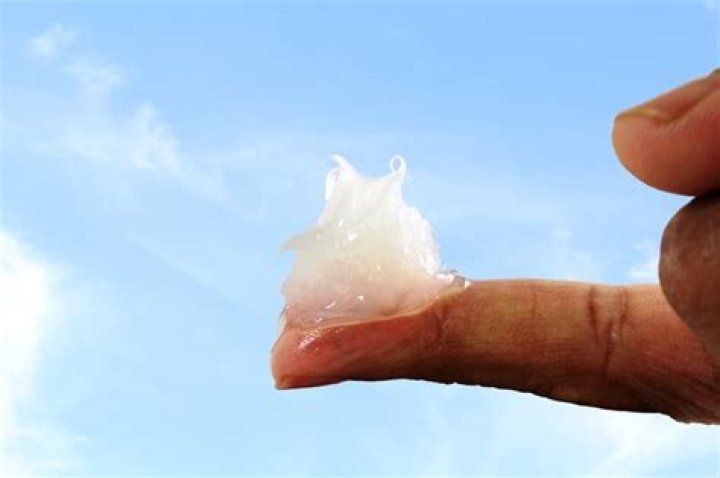
Does petroleum jelly go bad? This is a common question among users of this versatile product. Petroleum jelly is widely used for skincare, wound care, and even household purposes. While it is known for its long shelf life, understanding its stability and potential degradation over time is essential for safe use.
Petroleum jelly, also known as petrolatum, has been a staple in medicine cabinets for decades. Its ability to lock in moisture and create a protective barrier on the skin makes it a popular choice for various applications. However, as with any product, questions about its longevity and safety arise.
In this article, we will explore whether petroleum jelly goes bad, how to determine its shelf life, and what factors can affect its quality over time. By the end, you will have a clear understanding of how to store and use petroleum jelly safely.
What Is Petroleum Jelly?
Petroleum jelly is a semi-solid mixture of hydrocarbons derived from crude oil refining. It was first discovered in the mid-19th century by Robert Chesebrough, who noticed that oil workers used a residue found on drilling equipment to heal their wounds. Chesebrough refined this substance into what we now know as Vaseline, a brand of petroleum jelly.
Today, petroleum jelly is used for a variety of purposes, including moisturizing dry skin, protecting chapped lips, and preventing diaper rash. Its composition makes it an excellent occlusive agent, meaning it helps retain moisture by forming a protective layer on the skin.
Key Characteristics of Petroleum Jelly
- Non-comedogenic: It does not clog pores.
- Odorless and colorless: Pure petroleum jelly is free from added fragrances or dyes.
- Water-resistant: It creates a barrier that repels water, making it ideal for protecting skin in wet environments.
Does Petroleum Jelly Go Bad?
Petroleum jelly is renowned for its long shelf life. In its purest form, it is highly stable and resistant to microbial growth. However, environmental factors such as exposure to light, heat, and contaminants can affect its quality over time. While it does not "go bad" in the traditional sense, its effectiveness and safety can diminish if improperly stored or handled.
It is important to note that commercially available petroleum jelly may contain additional ingredients, such as fragrances or dyes, which can degrade over time. These additives may shorten the product's shelf life compared to pure petroleum jelly.
Shelf Life of Petroleum Jelly
The shelf life of petroleum jelly depends on several factors, including its formulation and storage conditions. Pure petroleum jelly can last indefinitely when stored properly. However, products containing added ingredients may have a more limited shelf life, typically ranging from 2 to 5 years.
Manufacturers often include expiration dates on packaging to ensure safety and efficacy. While these dates are guidelines rather than strict deadlines, it is advisable to replace petroleum jelly if it shows signs of degradation or if it has been stored improperly.
Factors Affecting the Quality of Petroleum Jelly
Exposure to Air
Airborne contaminants, such as bacteria and dust, can compromise the quality of petroleum jelly. Once the container is opened, the product becomes more susceptible to contamination. To minimize this risk, always use a clean utensil to scoop out the jelly and avoid touching it directly with your fingers.
Temperature Fluctuations
Extreme temperatures can affect the consistency and stability of petroleum jelly. High heat may cause it to melt, while freezing temperatures can alter its texture. Store petroleum jelly in a cool, dry place to maintain its quality.
Light Exposure
Prolonged exposure to sunlight or artificial light can degrade the product over time. Light-sensitive components, such as added vitamins or fragrances, may break down, reducing the effectiveness of the jelly. Keep the container tightly closed and store it in a dark location to preserve its integrity.
Signs That Petroleum Jelly Has Gone Bad
While petroleum jelly itself does not spoil, there are signs that indicate it may no longer be safe or effective to use:
- Change in Color: If the jelly develops a yellow or brown tint, it may have oxidized or been contaminated.
- Unusual Odor: Pure petroleum jelly is odorless. If you detect a rancid or chemical smell, discard the product.
- Texture Changes: A grainy or uneven texture may indicate degradation or contamination.
- Presence of Mold: If mold or discoloration appears on the surface, the product is no longer safe to use.
How to Store Petroleum Jelly Properly
Proper storage is key to extending the shelf life of petroleum jelly. Follow these tips to ensure its quality remains intact:
- Keep the container tightly sealed when not in use.
- Store it in a cool, dry place away from direct sunlight.
- Avoid exposing it to extreme temperatures.
- Use a clean spatula or spoon to scoop out the jelly, avoiding direct contact with your fingers.
By adhering to these guidelines, you can maximize the longevity and effectiveness of your petroleum jelly.
Uses and Benefits of Petroleum Jelly
Skincare Applications
Petroleum jelly is widely used in skincare routines due to its ability to lock in moisture. It is particularly effective for:
- Moisturizing dry, cracked skin.
- Protecting sensitive areas, such as lips and cuticles.
- Preventing irritation and chafing during physical activities.
Medical Uses
Healthcare professionals often recommend petroleum jelly for:
- Healing minor cuts and scrapes by creating a protective barrier against infection.
- Managing diaper rash in infants by reducing skin irritation.
- Preventing blisters and promoting faster wound healing.
Household Purposes
Beyond skincare, petroleum jelly has practical uses around the home, such as:
- Lubricating stuck zippers and hinges.
- Protecting metal surfaces from rust.
- Polishing furniture and leather goods.
Safety Precautions When Using Petroleum Jelly
While petroleum jelly is generally safe, there are some precautions to consider:
- Avoid Inhalation: Inhaling petroleum jelly can lead to a condition called lipoid pneumonia, which affects the lungs. Keep it away from children who may accidentally ingest or inhale it.
- Test for Allergies: Although rare, some individuals may experience allergic reactions. Perform a patch test before applying it to larger areas of skin.
- Use Pure Products: Opt for pharmaceutical-grade petroleum jelly to ensure purity and avoid potential contaminants.
FAQ About Petroleum Jelly
1. Can I Use Expired Petroleum Jelly?
While petroleum jelly does not have a strict expiration date, using an expired product may compromise its effectiveness and safety. If it shows signs of degradation, it is best to replace it with a fresh container.
2. Is Petroleum Jelly Safe for Babies?
Yes, petroleum jelly is safe for babies when used as directed. It is commonly recommended for treating diaper rash and moisturizing delicate infant skin.
3. Does Petroleum Jelly Clog Pores?
No, petroleum jelly is non-comedogenic and does not clog pores. However, it is important to use pure, high-quality products to avoid potential irritation.
Conclusion
In conclusion, petroleum jelly is a versatile and long-lasting product that remains effective when stored and used properly. While it does not "go bad" in the traditional sense, factors such as contamination, temperature fluctuations, and light exposure can affect its quality over time. By following the guidelines outlined in this article, you can ensure the safety and efficacy of your petroleum jelly.
We encourage you to share your thoughts and experiences in the comments section below. If you found this article helpful, consider sharing it with others who may benefit from the information. For more informative content, explore our other articles on skincare and health-related topics.
Data Source: U.S. Food and Drug Administration, National Center for Biotechnology Information.




