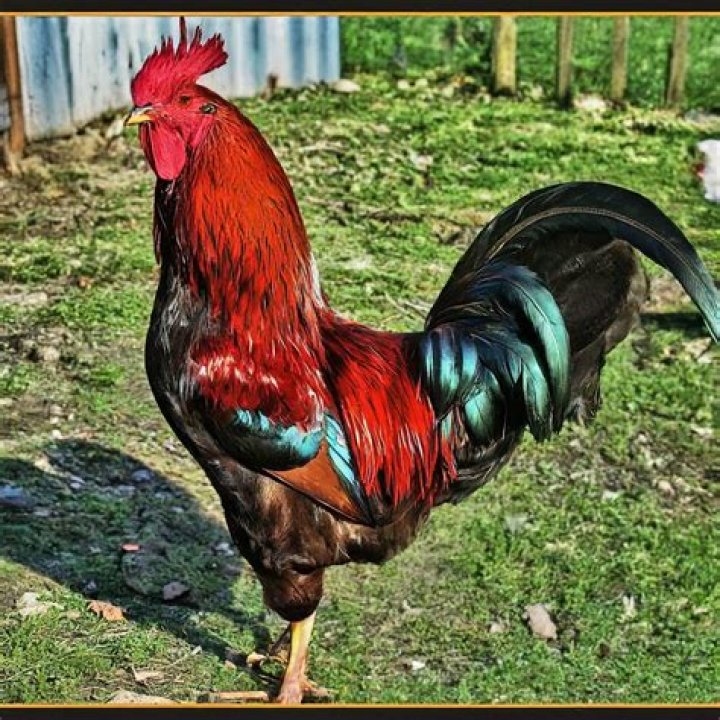
Many people wonder whether they need a rooster to have eggs from their hens. This is a common question, especially for those who are new to raising chickens or are simply curious about poultry behavior and reproduction. Understanding the role of roosters in egg production is essential for making informed decisions about your flock.
The presence or absence of a rooster can significantly affect the nature of the eggs produced by hens. However, the existence of a rooster is not mandatory for hens to lay eggs. This article will delve into the science behind egg-laying, the role of roosters, and other related factors that influence egg production.
By the end of this guide, you'll have a clear understanding of whether a rooster is necessary for egg production, the differences between fertilized and unfertilized eggs, and how to optimize your chicken coop for maximum egg yield. Let's dive in!
The Biological Process of Egg-Laying
Understanding the biological process of egg-laying is crucial to answering the question, "Do you need a rooster to have eggs?" Hens naturally produce eggs as part of their reproductive cycle. This process involves the development of an egg inside the hen's body, which is then laid whether or not fertilization occurs.
The egg-laying process begins in the hen's ovary, where the yolk is formed. The yolk moves through the oviduct, where layers such as the albumen (egg white) and shell are added. This entire process takes about 24 to 26 hours, after which the fully formed egg is laid.
Key Points:
- Hens lay eggs regardless of the presence of a rooster.
- The reproductive cycle is a natural function of female chickens.
- Egg production can occur without fertilization.
How Often Do Hens Lay Eggs?
The frequency of egg-laying depends on several factors, including the breed, age, and health of the hen. On average, a healthy hen can lay one egg per day. However, this number may decrease with age or during molting seasons.
Some high-producing breeds, such as the White Leghorn, can lay up to 300 eggs per year. In contrast, heritage breeds may produce fewer eggs but often have a longer lifespan.
Do You Need a Rooster to Have Eggs?
Contrary to popular belief, a rooster is not required for hens to lay eggs. The primary role of a rooster is to fertilize eggs, ensuring the continuation of the chicken population. However, if your goal is simply to collect eggs for consumption, a rooster is unnecessary.
Hens will continue to lay eggs even without a rooster. These eggs will be unfertilized and safe for human consumption. The presence of a rooster only affects the fertility of the eggs, not the quantity or quality of the eggs laid.
Why Keep a Rooster?
- If you plan to breed chickens, a rooster is essential for fertilizing eggs.
- Roosters provide protection to the flock by alerting hens of potential dangers.
- They can help maintain order within the flock by establishing a pecking order.
Pros and Cons of Keeping a Rooster
While roosters offer certain benefits, they also come with challenges. Below is a breakdown of the pros and cons:
- Pros: Protection, fertilization, and social structure.
- Cons: Noise, aggression, and potential legal restrictions in urban areas.
Fertilized vs. Unfertilized Eggs
One of the most common questions related to egg production is the difference between fertilized and unfertilized eggs. Here's a detailed explanation:
Fertilized Eggs: These eggs are produced when a rooster mates with a hen, resulting in the fertilization of the egg. Fertilized eggs have the potential to develop into chicks if incubated under the right conditions.
Unfertilized Eggs: These eggs are laid by hens without the involvement of a rooster. They are safe for human consumption and are the type of eggs typically found in grocery stores.
From a nutritional standpoint, there is no significant difference between fertilized and unfertilized eggs. Both types are rich in protein, vitamins, and minerals.
Can You Eat Fertilized Eggs?
Yes, fertilized eggs are perfectly safe to eat. Unless the egg is incubated and allowed to develop into a chick, there is no noticeable difference in taste or nutritional value compared to unfertilized eggs. However, if the egg is incubated for more than a few days, it may develop an embryo, making it unsuitable for consumption.
Factors Affecting Egg Production
Several factors influence the quantity and quality of eggs produced by hens. These include:
- Breed: Different breeds have varying egg-laying capabilities. High-producing breeds like the White Leghorn and Rhode Island Red are popular choices for egg farming.
- Age: Young hens (pullets) typically lay more eggs than older hens. Egg production tends to decline after the hen reaches three to four years of age.
- Health: A well-nourished and healthy hen will produce more eggs than a hen suffering from illness or stress.
- Environment: Proper lighting, temperature, and living conditions are crucial for optimal egg production.
By addressing these factors, you can maximize the egg yield of your flock.
Nutritional Requirements for Egg-Laying Hens
A balanced diet is essential for maintaining the health and productivity of egg-laying hens. Their diet should include:
- Protein: Essential for egg formation and overall health.
- Calcium: Crucial for strong eggshells.
- Vitamins and minerals: Support various physiological functions.
Health Benefits of Eggs
Eggs are a nutrient-dense food that offers numerous health benefits. They are rich in high-quality protein, healthy fats, vitamins, and minerals. Below are some of the key health benefits of consuming eggs:
- Rich in Nutrients: Eggs contain essential nutrients like vitamin D, vitamin B12, and selenium.
- Boosts Brain Health: Choline, a nutrient found in eggs, supports brain function and development.
- Promotes Eye Health: Lutein and zeaxanthin in eggs help protect the eyes from age-related macular degeneration.
Research from reputable sources, such as the American Heart Association, highlights the importance of eggs in a balanced diet.
Are Eggs Good for Weight Loss?
Eggs can be an excellent addition to a weight-loss diet due to their high protein content, which promotes satiety and helps control appetite. Studies have shown that eating eggs for breakfast can lead to reduced calorie intake throughout the day.
Economic Aspects of Egg Farming
Egg farming is a lucrative business, with global demand for eggs steadily increasing. The industry provides employment opportunities and contributes significantly to the economy. However, success in egg farming depends on various factors, including:
- Efficient management practices.
- Access to quality feed and veterinary care.
- Compliance with regulatory standards.
Small-scale farmers can also benefit from egg production by selling eggs directly to consumers or local markets.
Sustainability in Egg Farming
Sustainable egg farming practices focus on minimizing environmental impact while ensuring the welfare of the chickens. This includes:
- Using organic feed.
- Implementing waste management systems.
- Promoting ethical treatment of animals.
Frequently Asked Questions
1. Can Hens Lay Eggs Without a Rooster?
Yes, hens can and do lay eggs without a rooster. The presence of a rooster only affects the fertility of the eggs, not the laying process itself.
2. How Long Do Hens Lay Eggs?
Hens typically lay eggs for several years, with peak production occurring in their first two years. After that, egg production gradually declines.
3. Are Fertilized Eggs Healthier?
No, there is no significant difference in the nutritional value of fertilized and unfertilized eggs. Both types are equally nutritious.
Sustainability in Egg Production
Sustainability is becoming an increasingly important consideration in egg production. Consumers are becoming more aware of the environmental and ethical implications of their food choices. As a result, many egg producers are adopting sustainable practices to meet this demand.
Some of these practices include reducing water usage, minimizing waste, and ensuring the humane treatment of chickens. By prioritizing sustainability, egg producers can contribute to a healthier planet while meeting consumer expectations.
Challenges in Sustainable Egg Production
Despite the benefits, sustainable egg production faces challenges such as higher costs and limited resources. However, advancements in technology and increasing consumer awareness are helping to overcome these obstacles.
Conclusion
In conclusion, you do not need a rooster to have eggs. Hens naturally lay eggs as part of their reproductive cycle, and the presence of a rooster only affects the fertility of the eggs. Understanding the biological process of egg-laying, the role of roosters, and factors influencing egg production can help you make informed decisions about raising chickens.
We encourage you to share your thoughts and experiences in the comments section below. If you found this article helpful, consider sharing it with others who may benefit from the information. For more insights on poultry farming and related topics, explore our other articles on the site.



