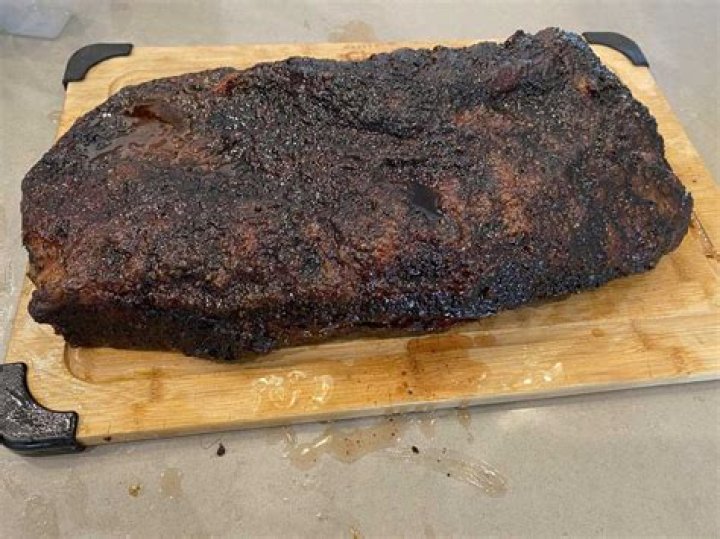
When it comes to cooking brisket, one of the most debated topics is whether or not you need to wrap it. Whether you're a seasoned pitmaster or a barbecue enthusiast just starting out, understanding the nuances of wrapping brisket is essential for achieving tender, flavorful results. This guide dives deep into the science, techniques, and tips surrounding this critical step in the smoking process.
Brisket, a cut of meat known for its toughness, requires special attention during cooking. Wrapping is one method that can help transform this challenging cut into a melt-in-your-mouth masterpiece. However, the decision to wrap isn't one-size-fits-all. Factors like cooking time, temperature, and desired texture all come into play.
In this article, we'll explore the ins and outs of wrapping brisket, providing you with expert advice, data-backed insights, and practical tips to elevate your barbecue game. By the end, you'll have the knowledge to decide whether wrapping is right for your brisket recipe.
Understanding Brisket
What is Brisket?
Brisket is a cut of meat from the lower chest or breast of beef. Known for its tough texture and rich flavor, brisket requires slow cooking to break down its connective tissues. This process results in tender, juicy meat that's perfect for sandwiches, platters, or standalone dishes.
Brisket is often divided into two main parts: the flat and the point. The flat is leaner and more uniform in shape, while the point contains more fat and marbling, contributing to a richer flavor. Understanding these differences is key to deciding whether wrapping is necessary for your specific cut.
Why Wrap Brisket?
Wrapping brisket serves several purposes, primarily to control moisture and enhance tenderness. The "Texas Crutch," as it's commonly known, involves wrapping the meat in foil or butcher paper during the cooking process. This technique helps retain moisture, speeds up cooking, and prevents the brisket from drying out.
However, wrapping isn't always necessary. Some pitmasters prefer unwrapped brisket for its smoky flavor and crispy bark. The decision ultimately depends on your desired outcome and cooking conditions.
Types of Wraps for Brisket
Aluminum Foil
Aluminum foil is a popular choice for wrapping brisket. It creates a tight seal, trapping moisture and steam inside. This method is ideal for speeding up the cooking process and ensuring a tender result. However, it may reduce the development of a flavorful bark.
Butcher Paper
Butcher paper offers a balance between foil and unwrapped cooking. It allows some moisture to escape while retaining enough steam to keep the brisket tender. This method is favored by many pitmasters for its ability to maintain a good bark while still achieving tender meat.
When to Wrap Brisket
The timing of wrapping brisket is crucial. Most pitmasters recommend wrapping when the internal temperature reaches around 165°F to 170°F. At this point, the meat has absorbed enough smoke flavor and is entering the "stall" phase, where the temperature plateaus due to moisture evaporation.
Wrapping during the stall helps the brisket push through this phase faster, reducing overall cooking time. However, if you wrap too early, you risk losing the smoky flavor and bark development.
How to Wrap Brisket
Proper wrapping technique ensures the best results. Follow these steps for a flawless wrap:
- Use enough foil or butcher paper to fully cover the brisket.
- Place the brisket on the wrapping material, ensuring the flat and point are aligned.
- Fold the sides over the brisket, sealing tightly to prevent moisture from escaping.
- Secure the ends, ensuring the wrap is snug but not too tight to avoid damaging the meat.
For butcher paper, consider using a double layer for added durability. This helps prevent the paper from tearing during cooking.
Benefits of Wrapping Brisket
Wrapping brisket offers several advantages:
- Moisture Retention: Wrapping helps retain moisture, preventing the meat from drying out.
- Shorter Cooking Time: By trapping steam, wrapping speeds up the cooking process.
- Tenderness: The steam created during wrapping breaks down tough fibers, resulting in tender meat.
- Consistent Temperature: Wrapping helps maintain a steady internal temperature, reducing fluctuations.
These benefits make wrapping an attractive option for those seeking a reliable method to achieve consistently good results.
Risks of Wrapping Brisket
While wrapping has its advantages, it's not without risks:
- Loss of Bark: Wrapping can soften the bark, reducing its crispy texture.
- Reduced Smoke Flavor: Once wrapped, the brisket no longer absorbs smoke, potentially diminishing its flavor.
- Overcooking: If left wrapped for too long, the brisket can become overly soft and lose its structure.
Understanding these risks allows you to make an informed decision about whether wrapping aligns with your cooking goals.
Tips for Perfect Wraps
Choose the Right Wrap Material
Selecting the appropriate wrapping material is essential. Aluminum foil is ideal for maximum moisture retention, while butcher paper offers a balance between moisture and bark development. Consider your desired outcome when making this choice.
Monitor Internal Temperature
Regularly check the internal temperature of the brisket to determine the optimal time for wrapping. Investing in a reliable meat thermometer can make this process easier and more accurate.
Experiment with Timing
Experiment with wrapping at different stages of the cooking process to find what works best for your recipe. Some pitmasters prefer wrapping earlier to speed up cooking, while others wait until later to enhance bark development.
Common Mistakes to Avoid
Avoid these common pitfalls when wrapping brisket:
- Wrapping Too Early: This can lead to a loss of smoke flavor and a softer bark.
- Using Insufficient Wrap: Inadequate wrapping can cause moisture to escape, defeating the purpose.
- Not Allowing Resting Time: After cooking, let the brisket rest for at least 30 minutes to redistribute juices.
By steering clear of these mistakes, you can ensure your brisket turns out perfectly every time.
Conclusion
Wrapping brisket is a technique that can significantly impact the final result. While it offers benefits like moisture retention and tenderness, it also comes with potential drawbacks such as reduced smoke flavor and bark softening. Understanding when and how to wrap, as well as the risks involved, empowers you to make the best decision for your cooking needs.
We invite you to share your experiences with wrapping brisket in the comments below. Have you found a technique that works particularly well? Or do you prefer unwrapped brisket? Let us know, and don't forget to explore our other barbecue guides for more tips and tricks.




