When planning a trip to Costa Rica, one of the most common questions travelers ask is whether they need a power converter. Understanding electrical systems in foreign countries is essential to avoid damaging your devices or facing inconveniences during your stay.
Costa Rica, known for its breathtaking landscapes and eco-friendly tourism, also offers a reliable electrical system for visitors. However, it's crucial to understand the voltage, plug types, and other technical aspects before you pack your gadgets. This article will provide you with all the necessary information to ensure your devices stay safe and functional during your trip.
Whether you're traveling for business, leisure, or adventure, knowing whether you need a power converter in Costa Rica will save you time, money, and stress. Let's dive into the details to make your travel experience smoother.
Costa Rica Electricity Overview
Costa Rica uses a 110-volt electrical system, which is similar to the system used in the United States and Canada. This standard voltage makes it convenient for travelers from these regions, as they can use many of their devices without needing a power converter. However, if you're coming from a country with a different voltage, such as Europe or Asia, you may need to consider additional equipment to ensure compatibility.
The frequency of electricity in Costa Rica is 60 Hz, which is also consistent with North American standards. Most modern devices are designed to handle both 50 Hz and 60 Hz, so this difference rarely causes issues.
Plug Types in Costa Rica
Standard Plug Types
Costa Rica primarily uses Type A and Type B plugs, which are commonly found in North America. Type A plugs have two flat prongs, while Type B includes a third grounding prong. If your devices use these plug types, you won't need an adapter. However, if your devices use European or other international plug types, you'll need a travel adapter to connect them to Costa Rican outlets.
- Type A: Two flat prongs
- Type B: Two flat prongs with a grounding pin
Voltage Differences
Understanding Voltage Compatibility
One of the key considerations when traveling to Costa Rica is whether your devices can handle the local voltage. Most electronic devices, such as laptops, smartphones, and cameras, are dual-voltage, meaning they can operate on both 110V and 220V systems. Check the label on your device or its power adapter to confirm its voltage compatibility.
Appliances like hairdryers, curling irons, or electric shavers may require a power converter if they are designed for a higher voltage. Always double-check the specifications to avoid potential damage.
Do You Need a Power Converter?
The answer to this question depends on the type of devices you plan to bring. If your gadgets are dual-voltage and compatible with 110V, you won't need a power converter. However, if you have single-voltage appliances rated for 220V or higher, a converter will be necessary to step down the voltage.
Travelers from countries with 220V or 240V systems should pay close attention to their device specifications. While many modern electronics are designed to handle both voltages, older or specialized appliances may not be compatible without a converter.
Travel Adapters vs. Converters
Key Differences
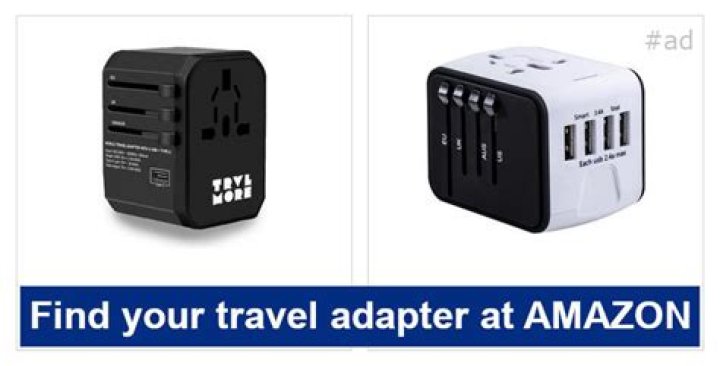
It's important to distinguish between travel adapters and power converters, as they serve different purposes. A travel adapter allows you to plug your device into a foreign outlet by changing the shape of the prongs. It does not alter the voltage.
A power converter, on the other hand, adjusts the voltage to match your device's requirements. If you're bringing appliances that require a specific voltage, a converter will be essential for safe operation.
For most travelers, a travel adapter is sufficient, especially if your devices are dual-voltage. However, if you're planning to use high-wattage appliances like hairdryers or irons, investing in a quality power converter is recommended.
Common Appliances and Devices
Device Compatibility Chart
Here's a quick guide to help you determine whether your devices will work in Costa Rica:
- Laptops: Generally dual-voltage, no converter needed
- Smartphones and Tablets: Dual-voltage, adapter may be required
- Hairdryers and Curling Irons: Check voltage rating; may require converter
- Electric Shavers: Often dual-voltage, but verify specifications
- Kitchen Appliances: Likely single-voltage, converter required
Always refer to the manufacturer's specifications to ensure compatibility.
Tips for Safe Electricity Use
Best Practices for Travelers
Using electricity safely in a foreign country involves a few precautions:
- Always check the voltage and plug type requirements for your devices.
- Invest in high-quality adapters and converters to prevent electrical damage.
- Avoid overloading outlets, especially in older buildings.
- Consider using surge protectors to safeguard your electronics.
- Unplug devices when not in use to prevent accidental damage.
By following these tips, you can enjoy a hassle-free experience while using your gadgets in Costa Rica.
Frequently Asked Questions
Answers to Common Queries
Here are some frequently asked questions about electricity in Costa Rica:
- What is the voltage in Costa Rica? 110V
- What plug types are used? Type A and Type B
- Do I need a power converter? Depends on your device's voltage requirements
- Are surge protectors necessary? Recommended for added safety
These answers should clarify any doubts you may have about using electricity in Costa Rica.
Traveler Reviews and Experiences
Real-World Insights
Many travelers have shared their experiences with electricity in Costa Rica. Most report that modern electronics work seamlessly with the local system, especially if they are dual-voltage. However, some have encountered issues with older or specialized appliances, highlighting the importance of checking device specifications before traveling.
Several reviews emphasize the reliability of Costa Rica's electrical grid, particularly in urban areas. Rural regions may experience occasional power fluctuations, so it's wise to take precautions if you're visiting remote locations.
Conclusion
In conclusion, whether you need a power converter in Costa Rica depends on the voltage requirements of your devices. If your gadgets are dual-voltage and compatible with 110V, you can enjoy a stress-free experience without additional equipment. However, if you're bringing single-voltage appliances, a converter will be necessary to ensure safe operation.
We encourage you to leave a comment below sharing your experiences with electricity in Costa Rica. Your feedback can help fellow travelers prepare for their trips. Additionally, feel free to explore other articles on our site for more travel tips and insights.
Stay safe, stay connected, and enjoy your journey to beautiful Costa Rica!
Data Sources:
- International Electrotechnical Commission (IEC)
- U.S. Department of Energy
- Costa Rican Electricity Institute (ICE)



