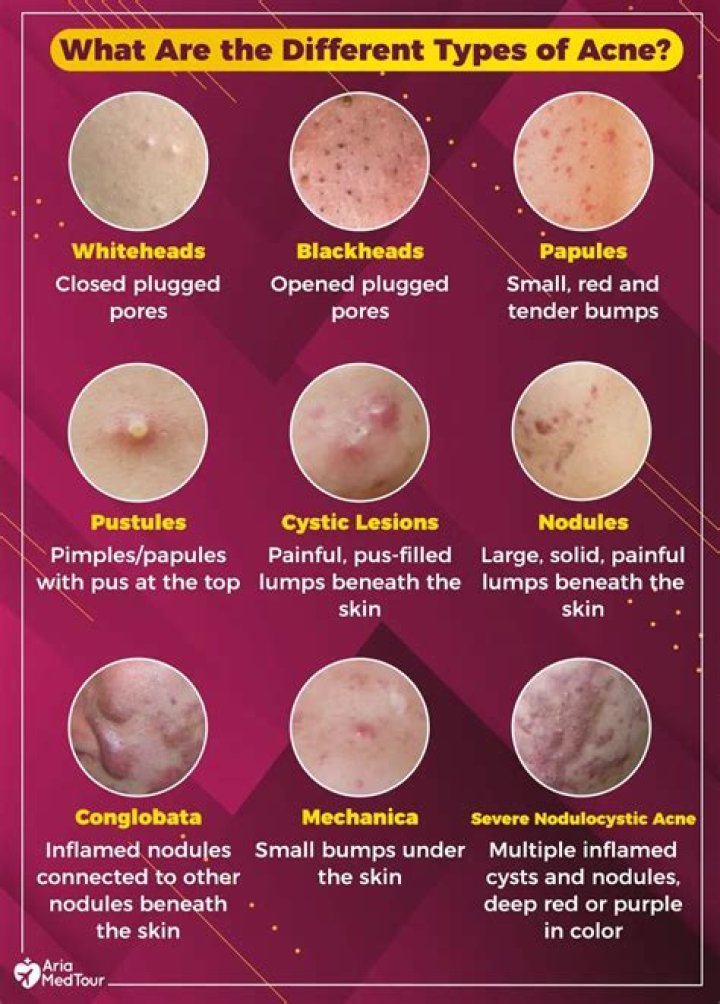
Have you ever wondered whether cold sores produce pus like pimples? While both are skin conditions, they differ significantly in their causes and symptoms. Cold sores are caused by the herpes simplex virus (HSV), while pimples result from clogged pores and bacterial infections. Understanding the differences is crucial for proper treatment and management. This article delves into the details of cold sores, their symptoms, and how they compare to pimples.
Cold sores and pimples are two common skin issues that often get confused due to their appearance. However, their underlying causes, progression, and treatment methods vary greatly. Knowing the distinction between the two can help you address them effectively and prevent complications.
In this article, we will explore the nature of cold sores, their lifecycle, and whether they produce pus like pimples. We'll also discuss the causes, symptoms, and treatment options for cold sores, providing you with actionable insights to manage this condition.
What Are Cold Sores?
Cold sores, also known as fever blisters, are small, painful blisters that typically appear around the lips and mouth. They are caused by the herpes simplex virus type 1 (HSV-1), although HSV-2 can also cause them in some cases. Cold sores are highly contagious and can spread through direct contact, such as kissing or sharing utensils.
According to the World Health Organization (WHO), an estimated 3.7 billion people under the age of 50 are infected with HSV-1 globally. While not everyone who carries the virus develops cold sores, those who do may experience recurring outbreaks triggered by stress, illness, or hormonal changes.
How Do Cold Sores Develop?
Cold sores go through several stages during their lifecycle:
- Tingling Stage: The area around the mouth may feel tingly or itchy before a blister appears.
- Blister Stage: Small, fluid-filled blisters form, often clustered together.
- Ulcer Stage: The blisters may rupture, forming an open sore.
- Crusting Stage: The sore dries out and forms a crust.
- Healing Stage: New skin forms beneath the crust, and the sore heals without scarring.
Cold Sores vs. Pimples: Understanding the Differences
While cold sores and pimples may look similar, they have distinct characteristics:
Causes
Cold Sores: Caused by the herpes simplex virus (HSV-1 or HSV-2).
Pimples: Result from clogged pores, bacteria, and hormonal fluctuations.
Symptoms
Cold Sores: Tingling, burning, and painful blisters around the mouth.
Pimples: Red, inflamed bumps on the skin, often filled with pus.
Treatment
Cold Sores: Antiviral medications and topical treatments.
Pimples: Topical creams, antibiotics, and lifestyle changes.
Do Cold Sores Have Pus?
Unlike pimples, cold sores do not typically contain pus. Instead, they are filled with clear fluid caused by the herpes simplex virus. However, during the ulcer stage, the blisters may rupture and become infected, leading to pus formation. This secondary bacterial infection requires prompt medical attention to prevent complications.
Signs of Infection
If your cold sore develops any of the following symptoms, consult a healthcare professional:
- Yellow or green pus
- Increased swelling or redness
- Persistent pain or discomfort
- Fever or swollen lymph nodes
Causes of Cold Sores
Cold sores are primarily caused by the herpes simplex virus (HSV). Once infected, the virus remains dormant in the body and can reactivate under certain conditions, such as:
Triggers
- Stress
- Illness or fatigue
- Hormonal changes, especially during menstruation
- Exposure to sunlight or extreme weather
- Weakened immune system
Symptoms of Cold Sores
The symptoms of cold sores can vary from person to person, but common signs include:
Early Symptoms
- Tingling or burning sensation around the mouth
- Redness or swelling in the affected area
Advanced Symptoms
- Small, fluid-filled blisters
- Pain or discomfort during eating or speaking
- Occasional fever or swollen lymph nodes
Treatment Options for Cold Sores
While there is no cure for the herpes simplex virus, several treatments can help alleviate symptoms and reduce the duration of outbreaks:
Over-the-Counter Treatments
- Topical creams containing docosanol or acyclovir
- Pain relievers such as ibuprofen or acetaminophen
Prescription Medications
- Oral antiviral medications like valacyclovir or famciclovir
- Intravenous antivirals for severe cases
Prevention Tips
Preventing cold sores involves avoiding triggers and maintaining good hygiene practices:
Hygiene Practices
- Avoid sharing utensils, towels, or razors
- Wash your hands regularly, especially after touching a cold sore
Lifestyle Changes
- Manage stress through meditation or exercise
- Protect your lips from sun exposure with sunscreen
- Boost your immune system with a balanced diet and adequate sleep
Common Myths About Cold Sores
There are several misconceptions about cold sores that can lead to confusion:
Myth 1: Cold Sores Are Contagious Only When They Are Visible
Fact: The herpes simplex virus can spread even when no visible symptoms are present.
Myth 2: Cold Sores and Pimples Are the Same
Fact: Cold sores are caused by a virus, while pimples result from bacterial infections and clogged pores.
Frequently Asked Questions
Q: Can cold sores be cured?
No, the herpes simplex virus cannot be completely eradicated from the body. However, treatments can help manage symptoms and reduce the frequency of outbreaks.
Q: How long do cold sores last?
Cold sores typically last 7-10 days, but this can vary depending on the individual and the severity of the outbreak.
Q: Are cold sores dangerous?
In most cases, cold sores are harmless and resolve on their own. However, they can lead to complications in individuals with weakened immune systems or if they spread to other parts of the body, such as the eyes.
Conclusion
Cold sores and pimples may appear similar, but they differ significantly in their causes, symptoms, and treatment. Cold sores are caused by the herpes simplex virus and do not typically contain pus unless infected. Understanding the nature of cold sores and their triggers can help you manage outbreaks effectively and prevent complications.
We encourage you to share this article with others who may benefit from the information. If you have any questions or comments, feel free to leave them below. For more insights on skin health and wellness, explore our other articles on the website.
Remember, staying informed is the first step toward better health and well-being. Take care of your skin and consult a healthcare professional if you experience persistent or severe symptoms.