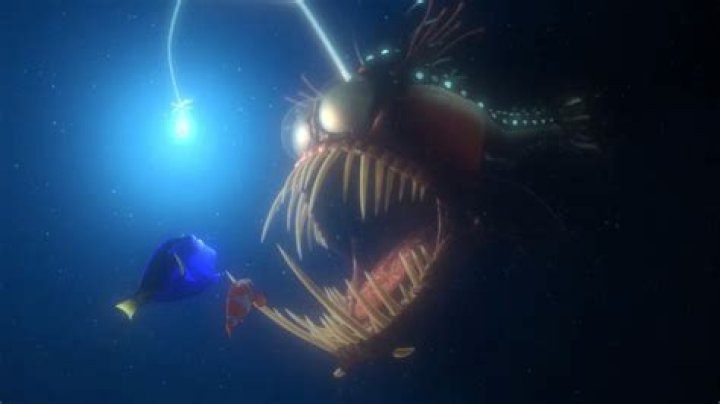
Anglerfish, a creature that has fascinated marine biologists and movie enthusiasts alike, plays a significant role in the animated film Finding Nemo. While Nemo is the main star, the mysterious anglerfish adds an element of intrigue and danger to the underwater world depicted in the movie. This article dives deep into the fascinating life of anglerfish, exploring their unique adaptations, behavior, and the role they play in marine ecosystems.
From the pitch-black depths of the ocean to the bright screens of animated films, anglerfish have captured the imagination of people around the globe. Their unusual appearance and bioluminescent lure make them one of the most fascinating creatures in the deep sea. In this article, we will explore the world of anglerfish and uncover the secrets behind their survival in one of the harshest environments on Earth.
Join us as we delve into the biology, behavior, and ecological significance of anglerfish, and discover how these creatures have inspired both science and art. Whether you're a fan of Finding Nemo or simply fascinated by marine life, this article promises to be an enlightening journey into the world of deep-sea wonders.
Biological Profile of Anglerfish
Physical Characteristics
Anglerfish are among the most bizarre-looking creatures in the ocean. They belong to the order Lophiiformes, which includes around 200 species. The most distinctive feature of anglerfish is their bioluminescent lure, a fleshy appendage that protrudes from their heads. This lure, known as the esca, emits light to attract prey in the dark depths of the ocean.
Anglerfish have large heads and mouths filled with sharp, fang-like teeth. Their bodies are often dark in color, helping them blend into the surrounding darkness. Some species can grow up to three feet in length, while others are much smaller.
Habitat and Distribution
Anglerfish are primarily found in the deep sea, often at depths of 1,000 to 4,000 meters. They inhabit the mesopelagic and bathypelagic zones, where sunlight cannot penetrate. These creatures are distributed across the world's oceans, from the Atlantic to the Pacific, thriving in the cold, dark waters of the abyss.
Their ability to survive in such extreme conditions is a testament to their remarkable adaptability. Despite the challenges posed by high pressure, low temperatures, and scarce food resources, anglerfish have thrived in these environments for millions of years.
The Magic of Bioluminescence
How It Works
One of the most fascinating aspects of anglerfish is their bioluminescent lure. The esca contains symbiotic bacteria that produce light through a chemical reaction. This light attracts curious prey, luring them closer to the anglerfish's gaping mouth.
Beyond its role in predation, bioluminescence also serves as a form of communication among anglerfish. It helps them locate mates in the vast darkness of the deep sea, ensuring the continuation of their species.
Feeding Behavior and Adaptations
Anglerfish are opportunistic predators, feeding on a variety of prey such as small fish, crustaceans, and squid. Their expandable stomachs allow them to consume prey much larger than themselves, a crucial adaptation in an environment where food is scarce.
Some species of anglerfish have developed specialized hunting techniques. For example, the black seadevil uses its bioluminescent lure to mimic the movements of smaller prey, tricking larger fish into coming within striking distance.
Reproduction and Mating Strategies
Sexual Parasitism
One of the most unique aspects of anglerfish reproduction is sexual parasitism. Male anglerfish are significantly smaller than females and lack the ability to survive independently. Instead, they attach themselves to a female using specialized teeth, fusing with her body and sharing her blood supply.
This bizarre mating strategy ensures successful reproduction in the deep sea, where encounters between individuals are rare. The male becomes a permanent parasite, relying on the female for nutrients while providing sperm for fertilization.
The Connection to Finding Nemo
In the animated film Finding Nemo, the anglerfish makes a brief but memorable appearance, showcasing its menacing appearance and predatory nature. While the movie takes creative liberties with the portrayal of anglerfish, it highlights their role as apex predators in the deep sea.
This depiction has sparked interest in marine biology among young viewers, inspiring many to learn more about the fascinating creatures that inhabit the ocean's depths.
Ecological Role in Marine Ecosystems
Anglerfish play a vital role in maintaining the balance of deep-sea ecosystems. As top predators, they help control populations of smaller fish and invertebrates. Their presence also supports the survival of symbiotic organisms, such as the bioluminescent bacteria that inhabit their lures.
Furthermore, studying anglerfish provides valuable insights into the adaptations required for life in extreme environments, contributing to our understanding of biodiversity and evolution.
Threats to Anglerfish Populations
Despite their resilience, anglerfish populations face several threats. Overfishing, particularly through bottom trawling, can disturb their habitats and reduce their numbers. Climate change and ocean acidification also pose significant challenges, altering the conditions in which they live.
Additionally, pollution and plastic waste can have detrimental effects on deep-sea ecosystems, impacting the health and survival of anglerfish and other marine species.
Conservation Efforts and Initiatives
Protecting Deep-Sea Habitats
Conservation efforts for anglerfish focus on protecting their habitats and reducing human impact on deep-sea ecosystems. Marine protected areas (MPAs) have been established in some regions to safeguard these fragile environments.
Research initiatives aim to better understand anglerfish biology and ecology, providing the data needed to inform conservation strategies. Collaborative efforts between scientists, policymakers, and industry stakeholders are essential to ensure the long-term survival of these remarkable creatures.
Future Research Directions
While much has been discovered about anglerfish, many questions remain unanswered. Future research could focus on unraveling the mysteries of their bioluminescence, exploring the genetic basis of their unique adaptations, and investigating their interactions with other deep-sea species.
Advances in technology, such as remotely operated vehicles (ROVs) and deep-sea submersibles, will enable scientists to study anglerfish in their natural habitats, shedding light on their behavior and ecology.
Conclusion
Anglerfish are remarkable creatures that have adapted to survive in one of the most extreme environments on Earth. From their bioluminescent lures to their unique reproductive strategies, these fish continue to captivate scientists and moviegoers alike. Their portrayal in Finding Nemo has brought attention to the wonders of the deep sea, inspiring a new generation of marine biologists.
We invite you to share your thoughts and questions in the comments section below. If you enjoyed this article, consider exploring other fascinating topics on our website. Together, let's continue to discover the mysteries of the ocean and work towards protecting its incredible inhabitants.
Data Source: National Oceanic and Atmospheric Administration (NOAA), Marine Biological Laboratory (MBL), and International Union for Conservation of Nature (IUCN).




