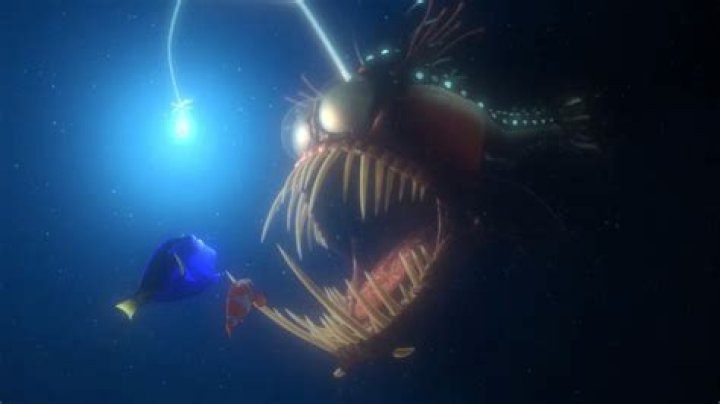
When most people think of ocean life, they envision bright coral reefs and friendly clownfish like Nemo. However, lurking in the dark depths of the ocean is an entirely different kind of fish – the mysterious and mesmerizing anglerfish. While Nemo's world is filled with sunlight and vibrant colors, the anglerfish thrives in the pitch-black depths, where light barely penetrates. This remarkable creature has evolved fascinating adaptations to survive in one of Earth's most extreme environments.
Despite their fearsome appearance, anglerfish have captured the imagination of scientists and marine enthusiasts alike. These deep-sea dwellers have developed unique features that make them one of the most intriguing creatures in the ocean. From their bioluminescent lures to their specialized mating habits, anglerfish represent the extraordinary ways life can adapt to challenging environments.
While Nemo's story is one of adventure and friendship, the anglerfish's tale is one of survival and adaptation. This article will take you on a journey into the deep sea, exploring the biology, behavior, and ecological significance of these remarkable creatures. Whether you're a marine biology enthusiast or simply curious about life in the ocean's darkest depths, this exploration of anglerfish will undoubtedly fascinate you.
The Biology of Anglerfish
Anglerfish belong to the order Lophiiformes, a group that includes more than 200 species. These fish are primarily found in the deep ocean, often at depths exceeding 1,000 meters. Their most distinctive feature is the illicium, a modified dorsal fin ray that extends above their heads and ends in a bioluminescent lure. This adaptation is crucial for attracting prey in the dark depths where light is scarce.
Physical Characteristics
Anglerfish exhibit remarkable physical traits that suit their environment. Their large mouths and expandable stomachs allow them to consume prey much larger than themselves. Some species can grow up to three feet in length, though most are much smaller. Their bodies are often covered in soft, gelatinous tissue that helps them blend into the surrounding environment.
Deep-Sea Habitat
The deep sea, where anglerfish reside, is one of the most extreme environments on Earth. Characterized by crushing pressures, near-freezing temperatures, and complete darkness, this habitat poses significant challenges to life. Yet, anglerfish have thrived here through a combination of physical and behavioral adaptations.
Adaptations to Darkness
- Bioluminescence to attract prey
- Highly sensitive eyes adapted to low light
- Ability to detect vibrations in the water
The Bioluminescent Lure
Perhaps the most fascinating aspect of anglerfish is their bioluminescent lure. This feature, known as the esca, contains specialized light-producing bacteria that emit a faint glow. The lure is dangled in front of the anglerfish's mouth, attracting curious prey that mistake it for food. Once the prey is within striking distance, the anglerfish quickly engulfs it with its massive jaws.
Mating Adaptations
One of the most unusual aspects of anglerfish biology is their mating behavior. Male anglerfish are significantly smaller than females and often attach themselves to their mates, fusing their bodies together in a parasitic relationship. This adaptation ensures successful reproduction in an environment where encounters between potential mates are rare.
Parasitic Mating
This unique mating strategy involves the male anglerfish biting into the female's skin and eventually merging with her circulatory system. Over time, the male becomes entirely dependent on the female for nutrients, while providing her with sperm for fertilization. This process is a testament to the incredible evolutionary adaptations that allow life to persist in the deep sea.
Different Species of Anglerfish
The anglerfish family is incredibly diverse, with species ranging from the deep ocean to shallow coastal waters. Some of the most well-known species include the black sea devil, the frogfish, and the goosefish. Each species has developed its own unique adaptations to suit its specific environment.
Notable Species
- Black Sea Devil (Melanocetus johnsonii)
- Frogfish (Antennariidae)
- Goosefish (Lophius piscatorius)
Threats to Anglerfish
Despite their remote habitats, anglerfish face several threats from human activities. Deep-sea trawling, climate change, and ocean pollution all pose risks to these delicate ecosystems. The slow reproductive rates of many anglerfish species make them particularly vulnerable to population declines.
Conservation Efforts
Efforts are underway to protect deep-sea habitats and the creatures that inhabit them. Marine protected areas, sustainable fishing practices, and international agreements aim to reduce the impact of human activities on these fragile ecosystems. Continued research is essential to understanding the full extent of these threats and developing effective conservation strategies.
Role in Ecosystem
Anglerfish play a crucial role in the deep-sea ecosystem. As apex predators, they help regulate the populations of smaller fish and invertebrates. Their presence contributes to the overall balance and health of the deep-sea community. Additionally, the bioluminescent bacteria that inhabit their lures are an important part of the ocean's microbial ecosystem.
Scientific Research
Researchers continue to study anglerfish to better understand their biology and ecological significance. Advances in submersible technology and remote sensing have made it possible to explore the deep sea in ways previously unimaginable. These studies provide valuable insights into how life adapts to extreme environments and contribute to our broader understanding of marine biology.
Key Findings
- Discovery of new species in unexplored regions
- Insights into bioluminescent processes
- Understanding of deep-sea food webs
Comparison with Clownfish
While clownfish like Nemo inhabit shallow coral reefs, anglerfish thrive in the deep ocean. These two species represent opposite ends of the marine spectrum, each adapted to its specific environment. Clownfish rely on camouflage and symbiotic relationships with anemones for protection, while anglerfish use their bioluminescent lures and powerful jaws to survive in the dark depths.
Future of Anglerfish
The future of anglerfish depends on our ability to protect their habitats and mitigate the impacts of human activities. Continued research, conservation efforts, and public awareness are essential to ensuring the survival of these remarkable creatures. As we learn more about the deep sea, we gain a deeper appreciation for the incredible diversity of life that exists in our oceans.
What You Can Do
Support marine conservation organizations, advocate for sustainable fishing practices, and educate others about the importance of protecting deep-sea ecosystems. Every action, no matter how small, contributes to the preservation of these vital habitats.
Conclusion
Anglerfish represent the extraordinary ways life can adapt to some of Earth's most challenging environments. From their bioluminescent lures to their unique mating strategies, these creatures continue to captivate scientists and enthusiasts alike. While Nemo's world is filled with sunlight and color, the anglerfish's realm is one of darkness and mystery. Both worlds, however, highlight the incredible diversity of life in our oceans.
We encourage you to share this article with others and explore more about the fascinating world of marine biology. Your interest and support can make a significant difference in protecting these remarkable creatures and their habitats for future generations.




