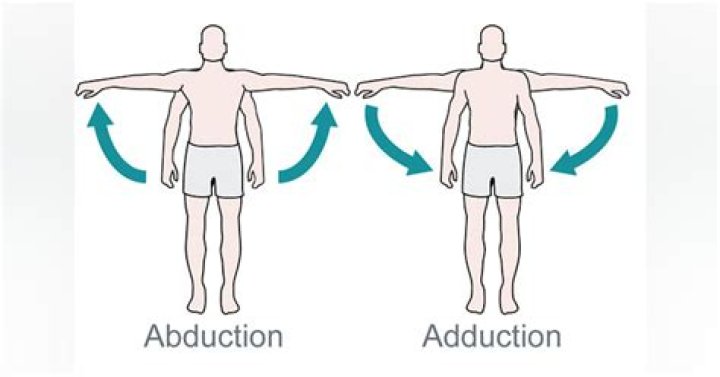
Understanding the difference between abduction and adduction is crucial in biomechanics, anatomy, and physical therapy. These terms describe specific movements of the body and are fundamental concepts in human physiology. Whether you're a student, healthcare professional, or simply interested in human movement, this article will provide a detailed explanation of these terms and their significance.
In everyday life, we often take for granted the complex movements our bodies perform effortlessly. However, understanding the science behind these movements can enhance our appreciation of the human body's intricate design. From lifting a cup to walking, every movement involves a series of precise actions, including abduction and adduction.
This article aims to clarify the difference between abduction and adduction while providing valuable insights into their roles in human anatomy. By the end, you'll have a comprehensive understanding of these terms and their applications in various fields.
Understanding Biomechanics
Biomechanics is the study of the mechanical laws relating to the movement or structure of living organisms. It plays a crucial role in understanding how the human body moves and functions. Abduction and adduction are two fundamental movements that fall under the scope of biomechanics.
These movements are essential for activities such as walking, running, and even sitting. By studying these movements, scientists and healthcare professionals can develop better treatments and rehabilitation programs for individuals with movement disorders.
Importance of Biomechanics in Daily Life
Biomechanics helps us understand how our muscles, joints, and bones work together to produce movement. This knowledge is vital for athletes, physical therapists, and even everyday individuals looking to improve their physical health.
- Biomechanics aids in injury prevention.
- It enhances performance in sports and physical activities.
- It provides insights into the development of assistive devices for individuals with disabilities.
What is Abduction?
Abduction refers to the movement of a body part away from the midline of the body. For example, raising your arm to the side or spreading your fingers apart are examples of abduction. This movement occurs in various joints, including the shoulder, hip, and fingers.
In the context of the difference between abduction and adduction, abduction is characterized by increasing the angle between the body part and the midline of the body. It is a fundamental movement that enables a wide range of activities, from reaching for objects to performing complex dance moves.
Types of Abduction
Abduction can occur in different planes of motion, depending on the joint involved. Here are some examples:
- Shoulder Abduction: Lifting the arm away from the body.
- Hip Abduction: Moving the leg away from the midline of the body.
- Finger Abduction: Spreading the fingers apart.
What is Adduction?
Adduction, on the other hand, refers to the movement of a body part toward the midline of the body. For instance, bringing your arm back to your side or closing your fingers together are examples of adduction. Like abduction, adduction occurs in various joints and is essential for maintaining balance and stability.
The difference between abduction and adduction lies in the direction of movement. While abduction moves away from the midline, adduction moves toward it. Both movements are complementary and work together to ensure smooth and coordinated actions.
Types of Adduction
Adduction can also occur in different planes of motion, depending on the joint involved. Here are some examples:
- Shoulder Adduction: Lowering the arm toward the body.
- Hip Adduction: Moving the leg toward the midline of the body.
- Finger Adduction: Closing the fingers together.
Comparison Between Abduction and Adduction
To better understand the difference between abduction and adduction, let's compare their characteristics:
- Direction: Abduction moves away from the midline, while adduction moves toward it.
- Function: Abduction increases the angle between the body part and the midline, while adduction decreases it.
- Examples: Abduction includes raising the arm to the side, while adduction includes lowering it back to the body.
This comparison highlights the complementary nature of these movements and their importance in maintaining balance and coordination.
Key Differences
Understanding the key differences between abduction and adduction is essential for anyone studying human movement. These differences include:
- The direction of movement.
- The muscles involved in each movement.
- The role of each movement in daily activities and sports.
Real-Life Examples of Abduction and Adduction
Abduction and adduction are not just theoretical concepts; they are integral to our daily lives. Here are some real-life examples:
- Abduction: Lifting groceries from the floor, raising your hand in class, or spreading your legs while sitting.
- Adduction: Pulling a door toward you, bringing your arms back to your side, or closing your legs while walking.
These examples demonstrate how abduction and adduction are involved in almost every movement we perform.
Applications in Daily Life
Understanding these movements can help improve efficiency and reduce the risk of injury in daily activities. For instance:
- Proper technique in lifting objects can prevent strain on the muscles involved in abduction and adduction.
- Awareness of these movements can enhance performance in sports and physical activities.
Muscles Involved in Abduction and Adduction
Various muscles are responsible for performing abduction and adduction. Here's a breakdown of the muscles involved:
- Shoulder Abduction: Deltoid muscle, supraspinatus muscle.
- Shoulder Adduction: Latissimus dorsi, pectoralis major.
- Hip Abduction: Gluteus medius, gluteus minimus.
- Hip Adduction: Adductor longus, adductor brevis.
Understanding the muscles involved can help in designing effective exercise programs and rehabilitation plans.
Role of Muscles in Movement
Muscles work in pairs to produce abduction and adduction. For example:
- The deltoid muscle contracts to abduct the shoulder, while the latissimus dorsi contracts to adduct it.
- The gluteus medius abducts the hip, while the adductor longus adducts it.
This coordination ensures smooth and efficient movement.
Exercises for Abduction and Adduction
Exercises targeting abduction and adduction can improve muscle strength and flexibility. Here are some examples:
- Shoulder Abduction Exercise: Stand with your arms at your sides and slowly raise them to the side until they are parallel to the floor.
- Shoulder Adduction Exercise: Hold a resistance band with both hands and pull it toward your chest, bringing your arms together.
- Hip Abduction Exercise: Lie on your side and lift your top leg as high as possible without rotating your pelvis.
- Hip Adduction Exercise: Lie on your side with your legs bent and bring your top knee toward your chest.
These exercises can be modified to suit different fitness levels and goals.
Benefits of Exercise
Engaging in exercises for abduction and adduction offers numerous benefits:
- Improved muscle strength and endurance.
- Enhanced joint stability and flexibility.
- Reduced risk of injury during physical activities.
Common Injuries Related to Abduction and Adduction
While abduction and adduction are natural movements, they can lead to injuries if performed incorrectly or excessively. Common injuries include:
- Shoulder Impingement: Caused by repetitive shoulder abduction.
- Groin Strain: Resulting from excessive hip adduction.
Preventing these injuries involves proper technique, adequate rest, and strengthening the muscles involved.
Prevention and Treatment
To prevent injuries related to abduction and adduction:
- Use proper form during exercises and daily activities.
- Stretch and strengthen the muscles involved regularly.
- Consult a healthcare professional if you experience pain or discomfort.
Treatment options may include physical therapy, rest, and medication, depending on the severity of the injury.
Applications in Sports and Medicine
Abduction and adduction have significant applications in sports and medicine. Athletes rely on these movements to perform at their best, while healthcare professionals use them to diagnose and treat movement disorders.
In sports, understanding these movements can enhance performance and reduce the risk of injury. In medicine, they are essential for diagnosing conditions such as arthritis, muscle imbalances, and nerve damage.
Role in Rehabilitation
Rehabilitation programs often incorporate exercises targeting abduction and adduction to restore movement and function. These programs are tailored to the individual's needs and progress, ensuring optimal recovery.
- Physical therapists use abduction and adduction exercises to improve joint mobility.
- Occupational therapists incorporate these movements into daily living activities to enhance independence.
Conclusion
In conclusion, understanding the difference between abduction and adduction is essential for anyone interested in human movement and anatomy. These movements play a crucial role in our daily lives, from simple tasks to complex sports activities.
We hope this article has provided you with valuable insights into the significance of abduction and adduction. To further enhance your knowledge, we encourage you to explore related topics and share your thoughts in the comments below. Don't forget to check out our other articles for more informative content!




