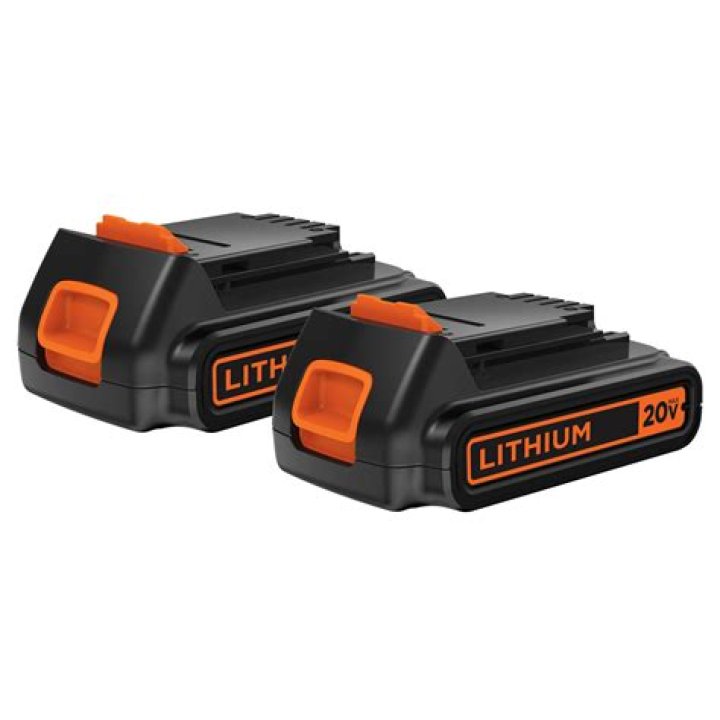
Black & Decker batteries are an essential component for powering a wide range of tools and devices. Whether you're a professional contractor or a DIY enthusiast, understanding the intricacies of these batteries can significantly enhance your productivity and efficiency. This guide will explore everything you need to know about Black & Decker batteries, from their types and specifications to maintenance tips and troubleshooting techniques.
With the rapid advancements in technology, cordless tools have become increasingly popular. Black & Decker, as a leading brand in the power tools industry, has consistently delivered high-quality products that cater to both professionals and hobbyists alike. One of the key factors contributing to the performance of these tools lies in their battery technology.
As we delve deeper into this topic, you'll discover how Black & Decker batteries have evolved over the years, the different types available, and how to ensure optimal performance and longevity. By the end of this article, you'll be equipped with the knowledge to make informed decisions when purchasing or maintaining your Black & Decker batteries.
Introduction to Black & Decker Batteries
Black & Decker batteries are designed to provide reliable power for a variety of cordless tools. These batteries come in different sizes and capacities, catering to diverse applications ranging from basic household tasks to heavy-duty industrial projects. Understanding the basics of these batteries is crucial for maximizing their performance and lifespan.
The evolution of Black & Decker batteries has been remarkable, with significant advancements in technology leading to improved efficiency and durability. Today, users can choose from a range of battery types, each tailored to specific needs and preferences. This section will provide an overview of the fundamental aspects of Black & Decker batteries.
History of Black & Decker Battery Technology
Black & Decker's journey in battery technology began in the early 1960s when the brand introduced its first cordless drill. Since then, the company has continuously innovated, introducing new battery technologies that have revolutionized the power tools industry. Initially relying on nickel-cadmium (NiCd) batteries, Black & Decker gradually transitioned to nickel-metal hydride (NiMH) and eventually embraced lithium-ion (Li-ion) technology.
Each phase of development brought about improvements in power delivery, energy density, and overall performance. This historical context highlights Black & Decker's commitment to delivering cutting-edge solutions that meet the evolving demands of its customers.
Types of Black & Decker Batteries
Nickel-Based Batteries
Nickel-based batteries, including NiCd and NiMH, were once the standard for cordless tools. These batteries offered decent power and reliability, making them popular among users. However, they had limitations such as memory effect and lower energy density compared to modern alternatives.
- NiCd Batteries: Known for their durability and resistance to extreme temperatures, these batteries were widely used in early Black & Decker tools.
- NiMH Batteries: Offering higher energy density and being more environmentally friendly, NiMH batteries became a preferred choice before the advent of lithium-ion technology.
Lithium-Ion Batteries
Lithium-ion batteries have become the gold standard in the power tools industry. They offer superior energy density, longer runtime, and faster charging capabilities compared to their predecessors. Black & Decker's lithium-ion batteries are designed to deliver consistent power and reliability, making them ideal for professional use.
Key advantages of lithium-ion batteries include:
- Higher energy density
- No memory effect
- Longer lifespan
- Faster charging times
Key Specifications and Features
When evaluating Black & Decker batteries, it's essential to consider key specifications such as voltage, capacity, and weight. These factors directly impact the performance and usability of the batteries. For instance, higher voltage batteries provide more power, while higher capacity batteries offer longer runtime.
Modern Black & Decker batteries also feature advanced technologies such as thermal management systems and protective circuits to ensure safety and longevity. Additionally, many models come with LED indicators to monitor charge levels, enhancing user convenience.
Maintenance and Care Tips
Proper maintenance is crucial for maximizing the lifespan and performance of Black & Decker batteries. Here are some tips to help you take care of your batteries:
- Store batteries in a cool, dry place when not in use.
- Charge batteries regularly, avoiding deep discharge cycles.
- Clean battery contacts with a dry cloth to ensure optimal connection.
- Follow the manufacturer's guidelines for charging and storage.
By adhering to these maintenance practices, you can ensure that your Black & Decker batteries remain in top condition for years to come.
Common Issues and Troubleshooting
Despite their reliability, Black & Decker batteries may encounter issues from time to time. Common problems include reduced runtime, charging difficulties, and overheating. Here's how you can troubleshoot these issues:
- Reduced Runtime: Check if the battery is fully charged and consider replacing older batteries.
- Charging Difficulties: Ensure the charger is functioning properly and clean the battery contacts.
- Overheating: Allow the battery to cool down before use and avoid exposing it to extreme temperatures.
Consulting the user manual or contacting customer support can provide further assistance in resolving these issues.
Battery Compatibility with Tools
Black & Decker offers a wide range of batteries that are compatible with various tools. It's important to ensure that the battery you choose matches the voltage and connector type of your tool. Many Black & Decker batteries are interchangeable within the same voltage platform, providing flexibility and convenience.
For example, the 18V platform supports a variety of tools, including drills, impact drivers, and lawn equipment. This compatibility allows users to build a versatile tool ecosystem powered by a single battery type.
Sustainability and Recycling
Black & Decker is committed to promoting sustainability and reducing environmental impact. The company encourages users to recycle their old batteries responsibly. Many retailers and recycling centers offer programs for collecting and recycling Black & Decker batteries, ensuring that valuable materials are recovered and reused.
By participating in these recycling initiatives, users can contribute to a more sustainable future while also ensuring compliance with environmental regulations.
Comparison with Other Brands
When comparing Black & Decker batteries with those from other brands, several factors come into play. While competitors like DeWalt and Makita offer similar products, Black & Decker stands out due to its affordability and wide range of options. Additionally, the brand's focus on innovation and user-friendly features makes it a popular choice among consumers.
However, users should evaluate their specific needs and preferences before making a decision. Factors such as budget, tool compatibility, and desired performance levels should all be considered when choosing the right battery for your application.
Future of Black & Decker Batteries
As technology continues to advance, the future of Black & Decker batteries looks promising. The company is investing in research and development to improve battery efficiency, reduce charging times, and enhance overall performance. Solid-state batteries and other emerging technologies may soon become part of Black & Decker's product lineup, offering even greater benefits to users.
Staying informed about these developments can help users make the most of their investment in Black & Decker tools and batteries.
Conclusion and Final Thoughts
In conclusion, Black & Decker batteries play a vital role in powering the tools that drive productivity and innovation. From their humble beginnings with NiCd technology to the advanced lithium-ion solutions of today, Black & Decker has consistently delivered high-quality products that meet the needs of its customers.
To ensure optimal performance and longevity, users should adhere to proper maintenance practices and stay informed about the latest advancements in battery technology. By doing so, you can maximize the value and efficiency of your Black & Decker tools.
We encourage you to share your thoughts and experiences in the comments section below. Additionally, feel free to explore other articles on our site for more insights into power tools and related topics. Thank you for reading, and happy DIY-ing!