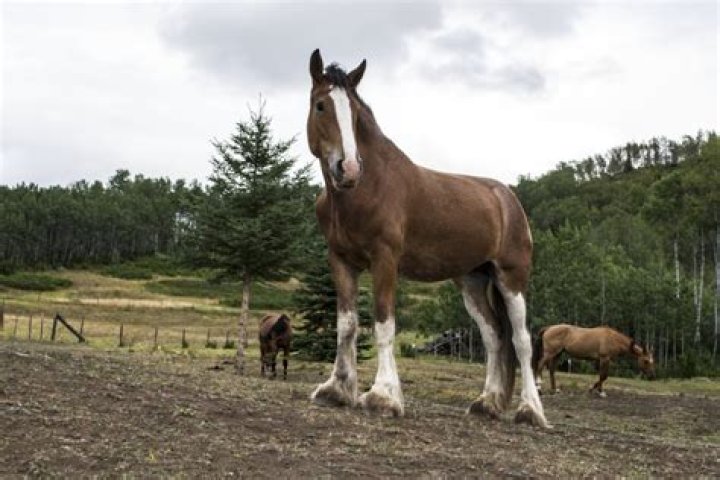
When it comes to horse breeds, the Clydesdale temperament stands out as one of the most iconic and beloved traits in the equine world. Known for their towering presence and gentle demeanor, Clydesdales have captured the hearts of horse enthusiasts worldwide. These majestic animals are not only admired for their size and strength but also for their calm and cooperative nature. If you're considering working with or owning a Clydesdale, understanding their temperament is crucial to building a strong bond with these magnificent creatures.
The Clydesdale breed originated in Scotland and has long been associated with agricultural work and heavy hauling. Over time, their temperament has evolved to become a key factor in their popularity. Whether used for farming, pulling carriages, or participating in parades, Clydesdales consistently demonstrate a temperament that makes them ideal partners for various tasks. Their adaptability and willingness to work make them a favorite among horse lovers.
In this comprehensive guide, we'll delve into the intricacies of the Clydesdale temperament, exploring their behavior, training requirements, and how their unique personality traits contribute to their success in various environments. Whether you're a seasoned equestrian or a newcomer to the world of horses, this article will provide valuable insights into what makes Clydesdales truly special.
The Origin of Clydesdales
The Clydesdale breed has its roots in the fertile lands of Lanarkshire, Scotland, where they were first bred in the 18th century. Initially developed for heavy agricultural work, these horses quickly became known for their strength and stamina. The breed's name is derived from the River Clyde, which runs through the region where they were first bred. Over the years, selective breeding has refined their temperament, making them not only powerful but also gentle and approachable.
Historical Role of Clydesdales
Clydesdales played a pivotal role in shaping agricultural practices in Scotland and beyond. Their robust build and cooperative nature made them indispensable for plowing fields and hauling heavy loads. As industrialization took hold, Clydesdales transitioned into roles such as pulling brewery wagons and participating in ceremonial events. Today, they are celebrated as symbols of strength and grace, often seen in parades and equestrian shows.
Clydesdale Temperament Overview
The temperament of a Clydesdale is characterized by its calmness, patience, and willingness to work. These traits make them excellent partners for a variety of tasks, from farming to recreational riding. Unlike some other horse breeds, Clydesdales are known for their ability to remain composed under pressure, which is essential for their roles in public events and heavy labor.
Key Traits of Clydesdale Temperament
- Gentleness: Clydesdales are often described as gentle giants due to their calm demeanor and non-aggressive nature.
- Intelligence: These horses are highly intelligent and quick learners, making them easy to train for various tasks.
- Adaptability: Whether working in rural farms or urban environments, Clydesdales adapt well to different settings and conditions.
Physical Characteristics of Clydesdales
Clydesdales are renowned for their impressive size and striking appearance. Standing between 16.2 and 18 hands high, they are among the largest horse breeds in the world. Their muscular build, long legs, and feathered hooves contribute to their majestic presence. Beyond their physical attributes, their temperament complements their appearance, creating a harmonious balance of strength and grace.
Physical Features That Influence Temperament
The physical characteristics of Clydesdales, such as their large size and powerful musculature, play a role in shaping their temperament. Their immense strength allows them to handle demanding tasks with ease, while their height and presence command respect without intimidation. This combination of physical traits and temperament makes them ideal for a wide range of activities.
Behavioral Traits of Clydesdales
Understanding the behavioral traits of Clydesdales is essential for anyone considering working with or owning these horses. Their behavior is shaped by their genetic makeup, upbringing, and environment. By recognizing their natural tendencies, owners and handlers can better meet their needs and foster a positive relationship.
Common Behavioral Patterns
- Social Behavior: Clydesdales are social animals that thrive in the company of other horses. They enjoy interaction and can become lonely if isolated for extended periods.
- Curiosity: These horses are naturally curious and enjoy exploring their surroundings, which can make them more engaged during training sessions.
- Patience: Clydesdales are known for their patience, which is particularly beneficial when working with inexperienced riders or handlers.
Training Tips for Clydesdales
Training a Clydesdale requires a combination of patience, consistency, and positive reinforcement. Due to their size and strength, it's important to establish trust and respect early in the training process. Clydesdales respond well to gentle guidance and reward-based training methods, which help build their confidence and cooperation.
Effective Training Strategies
- Start Early: Begin training as early as possible to ensure the horse becomes accustomed to handling and commands.
- Use Positive Reinforcement: Reward good behavior with treats or praise to encourage repetition.
- Be Consistent: Consistency in training helps Clydesdales understand expectations and develop good habits.
Health and Care for Clydesdales
Proper care is essential for maintaining the health and temperament of Clydesdales. Their large size and active lifestyle require a balanced diet, regular exercise, and routine veterinary check-ups. Additionally, their feathered hooves need special attention to prevent infections and ensure optimal foot health.
Key Health Considerations
- Nutrition: Provide a diet rich in fiber, protein, and essential nutrients to support their size and activity level.
- Grooming: Regular grooming helps maintain their coat and prevents skin conditions.
- Veterinary Care: Schedule routine check-ups to monitor their overall health and address any issues promptly.
Sub-Breeds and Variations
While the Clydesdale breed is relatively uniform in terms of temperament, there are slight variations in physical characteristics and behavior depending on the region and breeding focus. Some Clydesdales are bred specifically for show purposes, while others are tailored for working roles. Understanding these differences can help owners select the right horse for their needs.
Regional Differences in Clydesdales
In different parts of the world, Clydesdales may exhibit variations in size, color, and temperament due to selective breeding practices. For example, Clydesdales bred in the United States for Budweiser's iconic teams may differ slightly from those bred for agricultural work in rural Scotland.
Clydesdales in Media and Culture
Clydesdales have become cultural icons, thanks in large part to their association with Budweiser and other high-profile events. Their appearances in television commercials, parades, and equestrian shows have cemented their status as symbols of strength and elegance. This exposure has also helped raise awareness about their temperament and unique qualities.
Pop Culture References
- Budweiser Clydesdales: These horses have become synonymous with the brand, appearing in Super Bowl commercials and touring events.
- Films and Documentaries: Clydesdales have been featured in numerous films and documentaries, showcasing their role in history and modern-day activities.
Common Misconceptions About Clydesdales
Despite their widespread popularity, there are several misconceptions about Clydesdales that can lead to misunderstandings about their temperament and capabilities. Addressing these myths is important for promoting accurate information and fostering appreciation for these remarkable animals.
Addressing Misconceptions
- Myth: Clydesdales Are Only for Show: While many Clydesdales are bred for show purposes, they are equally capable of performing agricultural and working tasks.
- Myth: They Are Aggressive: Clydesdales are known for their gentle and patient nature, making them far from aggressive.
Conclusion and Final Thoughts
In conclusion, the Clydesdale temperament is a defining characteristic of this beloved breed. Their gentle nature, intelligence, and adaptability make them ideal partners for a wide range of activities. Whether working on a farm, participating in parades, or simply enjoying leisurely rides, Clydesdales continue to captivate and inspire those who interact with them.
We invite you to share your experiences with Clydesdales in the comments below or explore other articles on our site to learn more about equine breeds and care. Together, we can continue to celebrate and preserve the legacy of these magnificent animals.