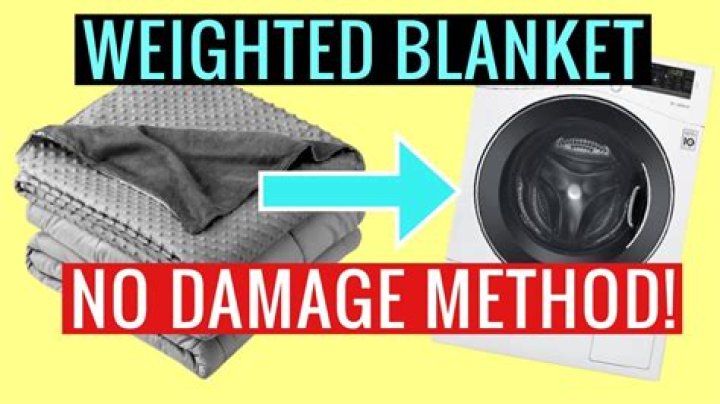
Cleaning a weighted blanket is an essential task that ensures its longevity and hygiene. Many people use weighted blankets to improve sleep quality, reduce anxiety, and enhance overall comfort. However, without proper care, these blankets can accumulate dirt, sweat, and allergens that may affect their performance and your health. This guide will walk you through everything you need to know about cleaning your weighted blanket effectively.
Weighted blankets have become increasingly popular due to their therapeutic benefits. They provide deep pressure stimulation, which mimics the feeling of being hugged, helping users relax and sleep better. To maintain these benefits, it’s crucial to clean the blanket regularly and follow the manufacturer’s instructions carefully.
Whether you’re a new owner or have been using a weighted blanket for years, this article will provide detailed insights into cleaning techniques, maintenance tips, and troubleshooting common issues. Let’s dive in and learn how to keep your weighted blanket fresh and functional.
Why Should You Clean Your Weighted Blanket?
Cleaning a weighted blanket is not just about keeping it looking good; it’s also about maintaining hygiene and ensuring its effectiveness. Over time, your blanket can accumulate:
- Dust and allergens
- Skin oils and sweat
- Pet hair and dander
- Food crumbs and spills
These elements can cause unpleasant odors, reduce the comfort level of the blanket, and even lead to skin irritation or allergies. Regular cleaning helps prevent these issues and prolongs the life of your blanket.
What to Do Before You Start Cleaning
Before you begin the cleaning process, there are a few important steps to follow:
Check the Manufacturer’s Instructions
Most weighted blankets come with specific care instructions. These guidelines are designed to ensure the blanket remains intact and functional after cleaning. Look for labels or consult the product manual for details on washing and drying recommendations.
Remove the Cover
Many weighted blankets come with a removable cover. If yours does, take it off first. This cover can usually be washed separately and more easily than the weighted blanket itself.
Assess the Blanket’s Condition
Inspect the blanket for stains, tears, or other damage. Addressing these issues before cleaning can prevent them from worsening during the process.
Can You Machine Wash a Weighted Blanket?
Machine washing a weighted blanket depends on its size, material, and construction. Generally, smaller blankets (under 15 pounds) may fit in a standard washing machine, but larger ones require a commercial or front-loading machine with enough capacity.
Here’s how to machine wash your weighted blanket safely:
- Use a gentle cycle and cold water to avoid damaging the filling.
- Add a mild detergent that is safe for delicate fabrics.
- Do not use bleach or fabric softeners, as they can weaken the fibers.
- Consider placing the blanket in a large mesh bag to protect it during the wash.
If you’re unsure, it’s always better to opt for hand washing or professional cleaning to avoid potential damage.
How to Hand Wash a Weighted Blanket
Hand washing is often the safest method for cleaning a weighted blanket. Follow these steps for a thorough clean:
Gather Your Supplies
You’ll need a large container (like a bathtub or basin), mild detergent, and clean water. Ensure the container is big enough to fully submerge the blanket.
Prepare the Water
Fill the container with lukewarm water and add the detergent. Stir gently to create a soapy solution.
Soak and Wash
Submerge the blanket in the water and let it soak for about 30 minutes. Gently agitate the blanket to loosen any dirt or stains. Avoid scrubbing too hard, as this can damage the filling.
Rinse and Drain
Drain the soapy water and refill the container with clean water. Rinse the blanket thoroughly until all soap residue is removed. Squeeze gently to remove excess water, but do not wring it out.
Is Dry Cleaning a Good Option?
Dry cleaning can be a viable option for weighted blankets, especially if they are made from delicate or specialized materials. However, not all dry cleaners are experienced with weighted blankets, so it’s important to choose a reputable service.
When opting for dry cleaning:
- Check if the cleaner accepts weighted blankets.
- Confirm their experience with similar items.
- Ask about the chemicals used and ensure they are safe for your blanket’s material.
While dry cleaning can save you time and effort, it may be more expensive than other methods. Consider this option if your blanket is particularly fragile or if you’re unsure about washing it yourself.
Tips for Drying Your Weighted Blanket
Drying a weighted blanket requires patience and care to avoid damaging the filling. Here are some tips:
- Do not use high heat in the dryer, as it can melt the plastic pellets or beads inside the blanket.
- Use a low-heat setting or air-dry the blanket for best results.
- Add a few clean tennis balls or dryer balls to help fluff the blanket during drying.
- If air-drying, lay the blanket flat on a clean surface and turn it occasionally to ensure even drying.
Proper drying prevents mold, mildew, and unpleasant odors from developing in your blanket.
Effective Spot Cleaning Techniques
For minor stains or spills, spot cleaning can be an efficient way to maintain your weighted blanket without a full wash. Follow these steps:
- Blot the affected area with a clean cloth to absorb as much liquid as possible.
- Apply a small amount of mild detergent or stain remover directly to the stain.
- Gently scrub the area with a soft brush or cloth, working from the outside inward.
- Rinse with a damp cloth and blot dry with a towel.
Spot cleaning can help extend the time between full washes and keep your blanket looking fresh.
Caring for the Weighted Blanket Cover
The cover of your weighted blanket is often the part that gets the most wear and tear. Here’s how to care for it properly:
- Remove the cover and check its care instructions, as they may differ from the blanket itself.
- Machine wash the cover using a gentle cycle and cold water.
- Dry the cover on a low-heat setting or air-dry it to prevent shrinking or damage.
- Replace the cover promptly after cleaning to protect the blanket.
A clean cover enhances the overall appearance and hygiene of your weighted blanket.
Common Issues and How to Fix Them
Even with proper care, issues can arise when cleaning a weighted blanket. Here are some common problems and solutions:
Shifting Beads or Pellets
If the filling inside your blanket shifts during washing, it can create uneven weight distribution. To fix this:
- Gently redistribute the beads or pellets by hand.
- Consider using a weighted blanket with sewn-in compartments to prevent shifting.
Mold or Mildew
If your blanket develops mold or mildew due to improper drying, address it immediately:
- Wash the blanket again with a mixture of water and vinegar to neutralize the odor.
- Ensure the blanket is completely dry before storing it.
Fading Colors
To prevent color fading, avoid using hot water or harsh detergents. Wash the blanket in cold water and use a gentle, color-safe detergent.
Conclusion
Cleaning a weighted blanket is a necessary part of owning one, and with the right techniques, it can be a straightforward process. By following the steps outlined in this guide, you can ensure your blanket remains clean, comfortable, and effective for years to come.
We encourage you to share this article with others who may benefit from it. If you have any questions or additional tips, feel free to leave a comment below. Remember, proper maintenance not only extends the life of your weighted blanket but also enhances your overall well-being.




