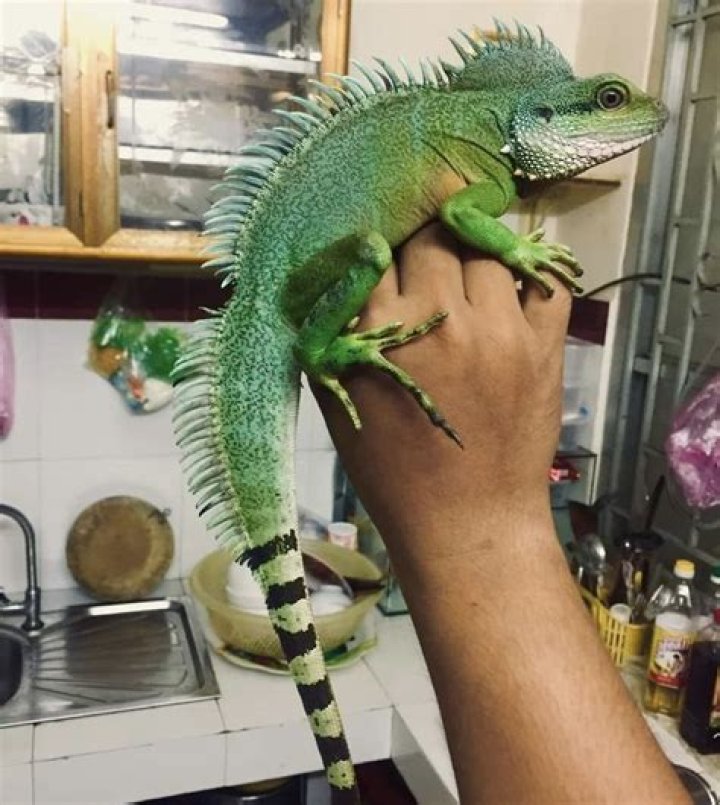
Chinese water dragons have become increasingly popular as pets due to their vibrant appearance and relatively friendly nature. These reptiles, native to Southeast Asia, are known for their striking green color and impressive ability to swim. If you're considering owning a Chinese water dragon or simply want to learn more about these fascinating creatures, this article is for you.
As an exotic pet, Chinese water dragons require specific care and attention to thrive in captivity. Understanding their natural habitat, dietary needs, and behavioral traits is crucial for anyone interested in keeping them. This guide will provide you with all the essential information to ensure your pet remains healthy and happy.
Whether you're a beginner or an experienced reptile enthusiast, this article will cover everything from their origins to advanced care tips. Let's dive into the world of Chinese water dragons and uncover what makes them such unique and captivating animals.
Biography of Chinese Water Dragons
Scientific Classification
Chinese water dragons (Physignathus cocincinus) belong to the family Agamidae, a group of lizards commonly referred to as "dragons." They are closely related to other popular pet reptiles, such as bearded dragons. These lizards are native to Southeast Asia, primarily found in countries like Thailand, Vietnam, Cambodia, and southern China.
Here is a quick overview of their scientific classification:
- Kingdom: Animalia
- Phylum: Chordata
- Class: Reptilia
- Order: Squamata
- Family: Agamidae
- Genus: Physignathus
- Species: P. cocincinus
Basic Information
| Common Name | Chinese Water Dragon |
|---|---|
| Scientific Name | Physignathus cocincinus |
| Lifespan | 10-15 years |
| Size | Up to 3 feet (including tail) |
| Color | Green with cream or yellow stripes |
Natural Habitat and Distribution
Chinese water dragons are arboreal creatures, meaning they spend most of their time in trees. Their natural habitat consists of tropical rainforests and areas near water sources, such as rivers and streams. These environments provide them with the humidity, temperature, and food sources they need to thrive.
Their distribution spans across Southeast Asia, including countries like Thailand, Vietnam, Laos, and southern China. In these regions, they are often found in dense vegetation, where they can easily hide from predators and bask in the sunlight.
Physical Characteristics
Chinese water dragons are known for their vibrant green color, which helps them blend into their natural environment. Adult males typically grow up to 3 feet in length, with their tails accounting for about two-thirds of their total length. Females are generally smaller, reaching up to 2 feet in length.
Other notable physical features include:
- A row of spines running down their back
- A dewlap, a flap of skin under the throat, used for communication and temperature regulation
- A third eye, or parietal eye, on the top of their head, which helps detect changes in light
Dietary Needs and Nutrition
What Do They Eat?
Chinese water dragons are omnivores, meaning they consume both plant and animal matter. In the wild, their diet consists of insects, small mammals, fish, and fruits. In captivity, it is essential to provide a balanced diet to ensure proper nutrition.
Feeding Tips
- Offer a variety of insects, such as crickets, mealworms, and roaches
- Supplement their diet with leafy greens and fruits
- Dust their food with calcium and vitamin supplements to prevent deficiencies
- Provide fresh water daily
Behavior and Temperament
Chinese water dragons are generally docile and can become quite tame with regular handling. However, they can be territorial, especially during breeding season. Males may display aggressive behavior toward other males, so it is best to house them separately.
These lizards are also excellent swimmers, thanks to their long tails and strong limbs. They will often dive into water to escape predators or cool down. Observing their behavior can be both fascinating and educational, as they exhibit a range of social and survival skills.
Care Tips for Chinese Water Dragons
Enclosure Setup
Creating the right environment is crucial for the health and well-being of your Chinese water dragon. Here are some key considerations:
- Enclosure size: A minimum of 4 feet high, 3 feet wide, and 2 feet deep
- Temperature: Maintain a gradient of 85-90°F during the day and 75-80°F at night
- Humidity: Keep humidity levels between 70-80%
- Substrate: Use reptile carpet, paper towels, or coconut fiber to prevent impaction
Lighting and Heating
Proper lighting and heating are essential for the health of your pet. Install a UVB light to help them synthesize vitamin D3 and a basking light to provide warmth. Ensure the enclosure has a temperature gradient to allow your dragon to regulate its body temperature.
Common Health Issues
Like any pet, Chinese water dragons can suffer from various health issues. Some common problems include:
- Metabolic bone disease (MBD) due to calcium deficiency
- Respiratory infections caused by improper humidity levels
- Parasites, which can be treated with veterinary care
- Injuries from falls or aggressive behavior
Regular veterinary check-ups and a proper diet can help prevent many of these issues. Always consult a reptile veterinarian if you notice any signs of illness.
Breeding Chinese Water Dragons
Breeding Chinese water dragons can be a rewarding experience but requires careful planning and preparation. Ensure the pair is healthy and mature before attempting to breed them. Provide a nesting box with a substrate for the female to lay her eggs.
Incubate the eggs at a temperature of 84-86°F for approximately 60-75 days. Once the hatchlings emerge, they will need a separate enclosure with appropriate temperature and humidity levels. Feeding them small insects and greens will help them grow strong and healthy.
Conservation Status and Threats
While Chinese water dragons are not currently considered endangered, they face several threats in the wild. Habitat destruction, pollution, and the pet trade all contribute to declining populations. Conservation efforts, such as protected areas and sustainable breeding practices, are essential to ensure their survival.
As a responsible pet owner, it is important to purchase your dragon from a reputable breeder to avoid supporting illegal wildlife trade. Supporting conservation organizations can also help protect these beautiful creatures and their natural habitats.
Conclusion and Final Thoughts
Chinese water dragons are fascinating creatures that make wonderful pets for those willing to commit to their care. From their vibrant appearance to their unique behaviors, these lizards offer endless opportunities for learning and enjoyment. By providing the proper environment, diet, and attention, you can ensure your pet lives a long and healthy life.
We encourage you to share this article with fellow reptile enthusiasts and leave a comment below with any questions or experiences you'd like to share. For more information on reptile care, explore our other articles and resources. Together, we can promote responsible pet ownership and conservation efforts to protect these incredible animals for generations to come.




