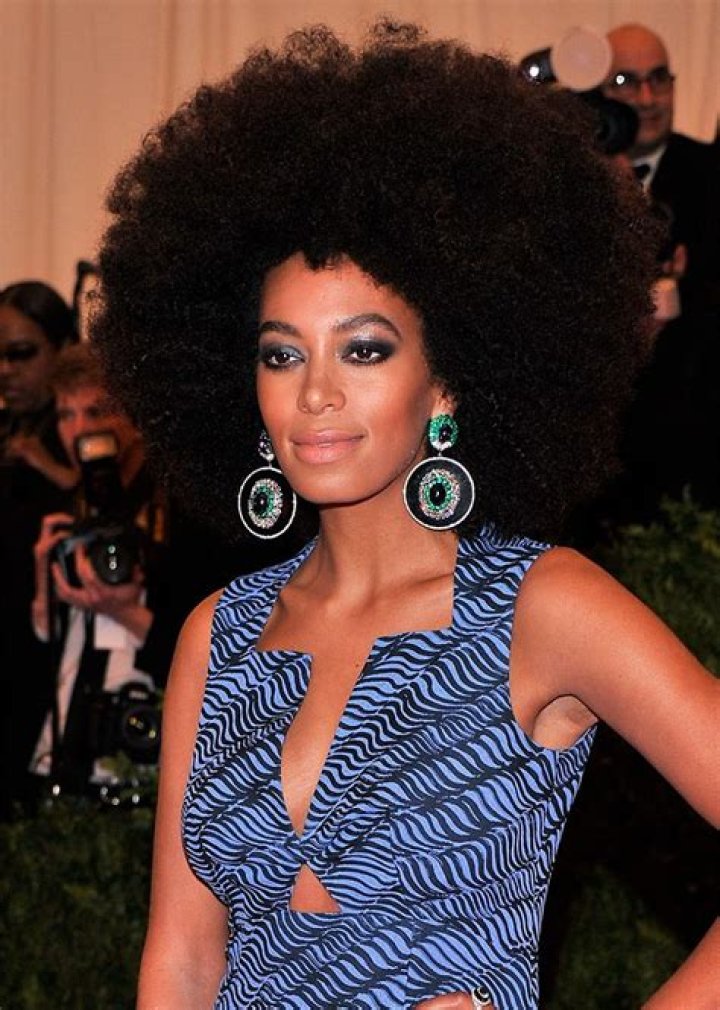
Celebrity afros have long been a symbol of cultural identity, self-expression, and empowerment in the entertainment industry. From the 1960s to modern times, this hairstyle has captivated audiences worldwide. It represents more than just fashion—it embodies a movement, a statement, and a celebration of Black culture. Today, celebrities continue to embrace afros as both an artistic choice and a powerful nod to their heritage.
The rise of afros in pop culture can be traced back to pivotal moments in history when individuals sought to reclaim their identities through their appearance. This hairstyle became synonymous with rebellion against societal norms and a celebration of natural beauty. As we delve deeper into the world of celebrity afros, we will explore how this iconic look continues to influence fashion trends and inspire generations.
In this article, we will uncover the history, evolution, and cultural significance of afros in the celebrity realm. Join us as we explore how this hairstyle has transformed over the years and why it remains relevant in today’s globalized world.
The History of Celebrity Afros
Celebrity afros emerged during the civil rights movement of the 1960s, becoming a powerful symbol of pride and resistance. This hairstyle was not merely a fashion statement but a declaration of identity. Celebrities like Angela Davis and Jimi Hendrix brought afros to the forefront of mainstream media, making them an integral part of pop culture.
As the years progressed, afros evolved from being a political statement to a versatile hairstyle that celebrated individuality. In the 1970s, musicians such as The Jackson 5 and Diana Ross further popularized this look, cementing its place in entertainment history. Today, afros continue to inspire artists and fans alike, serving as a testament to the enduring legacy of Black culture.
Origins of Afros in Popular Culture
During the 1960s, afros were adopted by activists and artists as a way to challenge societal norms. This hairstyle became synonymous with the Black Power movement, representing strength, unity, and self-expression. Celebrities played a crucial role in amplifying this message, using their platforms to promote acceptance and diversity.
- Angela Davis became an iconic figure during the civil rights era, with her afro symbolizing resistance and empowerment.
- Jimi Hendrix's afro was a defining feature of his public persona, blending music and politics seamlessly.
- The Jackson 5's afros helped define the Motown sound, making them household names across the globe.
Cultural Significance of Afros
Celebrity afros hold immense cultural significance, serving as a bridge between tradition and modernity. They represent a celebration of African roots and a rejection of Eurocentric beauty standards. By embracing their natural hair, celebrities encourage fans to do the same, fostering a sense of pride and confidence.
Moreover, afros challenge societal perceptions of beauty and diversity. In a world that often prioritizes conformity, this hairstyle stands as a bold statement of individuality and authenticity. Through their public appearances, celebrities help dismantle stereotypes and promote inclusivity.
Breaking Stereotypes with Afros
Afros have been instrumental in breaking down barriers and challenging preconceived notions about beauty. Celebrities like Solange Knowles and Issa Rae have used their platforms to advocate for natural hair acceptance, inspiring countless individuals to embrace their own unique styles.
- Solange Knowles has consistently incorporated afros into her performances, emphasizing the importance of self-expression.
- Issa Rae's portrayal of natural hair in her series "Insecure" has resonated with viewers, promoting body positivity and self-love.
Iconic Celebrities Who Rocked Afros
Throughout history, numerous celebrities have made afros their signature look. Their bold choices have not only influenced fashion trends but also contributed to the cultural narrative surrounding natural hair. Below is a table highlighting some of the most iconic figures in the world of celebrity afros.
| Celebrity Name | Notable Works | Impact on Afro Culture |
|---|---|---|
| Angela Davis | Activist, Author | Symbolized resistance and empowerment |
| Jimi Hendrix | Musician, Songwriter | Blended music and activism through his appearance |
| Diana Ross | Singer, Actress | Popularized afros in mainstream media |
Modern Influencers of Afros
In recent years, a new generation of celebrities has continued to champion the afro trend. Artists like Beyoncé and Lupita Nyong'o have embraced this hairstyle, using it to make powerful statements about identity and representation.
- Beyoncé's afro in the "Homecoming" documentary highlighted her connection to African roots and heritage.
- Lupita Nyong'o's red carpet appearances often feature afros, showcasing her versatility and commitment to diversity.
Afros in Modern Fashion
Today, afros are more prominent than ever in the world of fashion. Designers and stylists frequently incorporate this hairstyle into their collections, recognizing its cultural significance and aesthetic appeal. From runway shows to music videos, afros continue to inspire creativity and innovation.
Modern interpretations of afros often blend traditional elements with contemporary twists, resulting in unique and dynamic looks. This fusion of styles reflects the evolving nature of fashion and the ongoing celebration of diversity.
Trends in Afro Hairstyling
Hairstylists are constantly experimenting with new ways to style afros, incorporating accessories and techniques that enhance their natural beauty. Some popular trends include:
- Adding colorful highlights to create vibrant, eye-catching looks.
- Using headscarves and accessories to add flair and personality.
- Combining afros with braids for a versatile and practical style.
Hairstyling Tips for Afros
Styling an afro requires a combination of skill and patience, but with the right techniques, anyone can achieve a stunning look. Below are some tips for creating and maintaining a beautiful afro:
- Use products specifically designed for curly hair to enhance texture and definition.
- Avoid over-manipulating the hair, as this can lead to breakage and damage.
- Experiment with different cuts and lengths to find the style that best suits your face shape.
Professional stylists recommend regular trims and deep conditioning treatments to keep afros healthy and vibrant. By following these guidelines, individuals can enjoy a stylish and manageable afro that reflects their personality and preferences.
Choosing the Right Products
When selecting products for afros, it's essential to prioritize quality and compatibility. Look for shampoos, conditioners, and styling creams that cater to curly hair types. Brands like Shea Moisture and Cantu offer a wide range of options designed to nourish and protect natural hair.
Maintenance and Care for Afros
Maintaining an afro involves a combination of proper care and consistent attention. Regular washing, moisturizing, and protection are key to keeping this hairstyle looking its best. Additionally, individuals should be mindful of environmental factors that may affect their hair, such as humidity and pollution.
Stylists suggest using protective hairstyles during the week to minimize manipulation and preserve the afro's shape. Sleeping on silk or satin pillowcases can also help reduce friction and prevent breakage.
Protective Styling for Afros
Protective styling is an effective way to maintain afros while minimizing daily maintenance. Some popular options include:
- Braids with extensions to add length and volume.
- Twists and bantu knots for a chic and sophisticated look.
- Headwraps and scarves to protect the hair during sleep.
Subculture of Celebrity Afros
Within the world of celebrity afros, a unique subculture has emerged that celebrates individuality and creativity. This subculture encompasses not only the hairstyles themselves but also the broader movement toward natural hair acceptance. Through social media platforms like Instagram and TikTok, fans and influencers share their experiences and tips, fostering a sense of community and support.
This subculture also highlights the importance of representation and diversity in media. By showcasing a wide variety of afro styles, celebrities and influencers help normalize natural hair and promote inclusivity.
The Role of Social Media
Social media has played a pivotal role in the growth of the afro subculture, providing a platform for individuals to connect and share their stories. Hashtags like #AfroPride and #NaturalHair have gained traction, encouraging users to embrace their unique identities.
Afros on Fashion Shows
Fashion shows have become a prominent showcase for afros, with designers incorporating this hairstyle into their collections to highlight diversity and innovation. Runway models often sport afros styled in creative and unexpected ways, capturing the attention of audiences worldwide.
Designers like Christian Siriano and Pat McGrath have made waves with their bold use of afros, proving that this hairstyle can be both avant-garde and timeless. By featuring afros on the runway, these designers contribute to the ongoing conversation about representation and inclusion in fashion.
Innovative Afro Styles on the Runway
Recent fashion shows have featured a variety of innovative afro styles, including:
- Large, voluminous afros that make a statement on the runway.
- Textured afros combined with intricate braids and accessories.
- Minimalist afros that emphasize simplicity and elegance.
Global Impact of Afros
The global impact of afros extends far beyond the entertainment industry, influencing fashion, beauty, and cultural perceptions worldwide. As more individuals embrace their natural hair, the stigma surrounding afros continues to diminish, paving the way for greater acceptance and understanding.
Through the efforts of celebrities and influencers, afros have become a symbol of empowerment and resilience. This hairstyle serves as a reminder of the rich history and diverse heritage of Black culture, inspiring individuals to celebrate their unique identities.
Promoting Diversity and Inclusion
Promoting diversity and inclusion is at the heart of the afro movement. By celebrating natural hair and encouraging self-expression, individuals and organizations can help create a more inclusive and accepting world. This commitment to diversity extends to all aspects of life, from fashion to education and beyond.
Conclusion
Celebrity afros have left an indelible mark on pop culture, serving as a powerful symbol of identity, self-expression, and empowerment. From their origins in the civil rights movement to their prominence in modern fashion, afros continue to inspire and influence individuals worldwide.
As we celebrate the cultural significance of afros, it's important to recognize the ongoing efforts of celebrities and influencers who champion natural hair acceptance. By embracing diversity and promoting inclusivity, we can create a world where everyone feels empowered to express themselves authentically.
We invite you to join the conversation by sharing your thoughts and experiences in the comments below. Don't forget to explore our other articles for more insights into fashion, culture, and beyond. Together, let's continue to celebrate the beauty of diversity and the power of self-expression.




