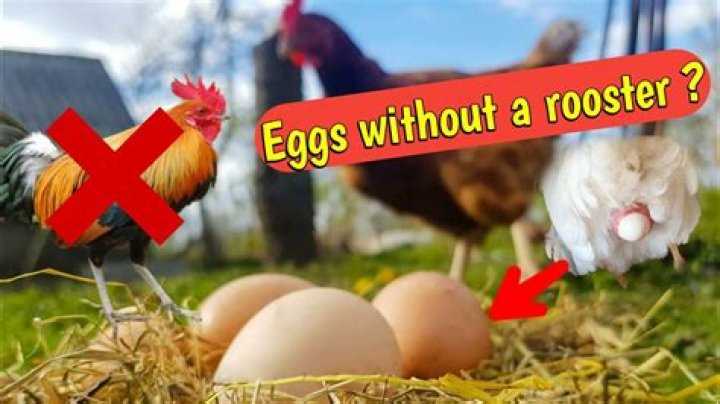
Can hens lay eggs without a rooster? This is a question that often arises among poultry enthusiasts and backyard farmers. The answer is yes, hens can indeed lay eggs without the presence of a rooster. However, there are nuances to this process that are worth understanding if you're considering raising chickens for egg production. In this article, we'll delve deep into the science behind egg-laying and explore how roosters play—or don't play—a role in this process.
Many people mistakenly believe that a rooster is necessary for hens to lay eggs. While it's true that a rooster is needed for fertilization, egg-laying itself is a natural biological process that occurs regardless of the presence of a male chicken. Understanding the difference between fertilized and unfertilized eggs is crucial for anyone interested in keeping chickens.
Whether you're a seasoned poultry keeper or just starting out, understanding the dynamics of egg-laying can help you make informed decisions about your flock. Let's explore this topic in greater detail to answer all your questions about hens, roosters, and egg production.
The Biology of Egg-Laying in Hens
Hens are biologically programmed to lay eggs as part of their reproductive cycle. This process begins when a hen reaches sexual maturity, typically around 18-24 weeks of age, depending on the breed. The egg-laying process involves the ovary releasing a yolk, which travels through the oviduct and eventually forms the egg.
Understanding the Oviduct
The oviduct is a vital part of the hen's reproductive system. As the yolk moves through this tube, different layers are added to form the egg white (albumen), the shell membrane, and finally, the hard outer shell. This entire process takes about 25-26 hours, after which the egg is laid.
- Ovary: Releases the yolk
- Oviduct: Forms the egg white, membrane, and shell
- Egg-laying: Completed in approximately 25-26 hours
Does a Rooster Play a Role in Egg-Laying?
While roosters are essential for fertilizing eggs, they are not required for the hens to lay eggs. The presence of a rooster only affects whether the eggs are fertilized or not. In commercial egg production, most eggs sold in stores are unfertilized because roosters are not kept with the hens.
Why Do Farmers Avoid Keeping Roosters?
There are several reasons why many farmers and backyard chicken keepers choose not to keep roosters:
- Nocturnal crowing can disturb neighbors
- Roosters can be aggressive and territorial
- Unnecessary for egg production
What Are Fertilized Eggs?
Fertilized eggs are produced when a rooster mates with a hen, resulting in the sperm fertilizing the egg. If you plan to hatch chicks, you'll need fertilized eggs. However, these eggs are not suitable for human consumption unless they are collected promptly and kept refrigerated.
Can You Eat Fertilized Eggs?
Yes, you can eat fertilized eggs as long as they are harvested quickly and stored properly. The fertilization process does not affect the nutritional value or taste of the egg. However, if the egg is left at room temperature for too long, the embryo may begin to develop, making it unsuitable for consumption.
Understanding Unfertilized Eggs
Unfertilized eggs are the type most commonly consumed by humans. These eggs are laid by hens without the involvement of a rooster. They are identical in nutritional content and quality to fertilized eggs but do not have the potential to develop into chicks.
Are Unfertilized Eggs Healthier?
There is no significant difference in the nutritional value between fertilized and unfertilized eggs. Both types provide essential nutrients such as protein, vitamins, and minerals. However, unfertilized eggs are often preferred for their convenience and lack of developmental concerns.
Factors Affecting Egg Production
Several factors influence how many eggs a hen lays, including age, diet, lighting, and overall health. Understanding these factors can help you maximize egg production in your flock.
Key Factors to Consider
- Age: Younger hens tend to lay more eggs than older ones.
- Diet: A balanced diet rich in protein and calcium is essential for optimal egg production.
- Lighting: Hens require about 14-16 hours of light per day to maintain consistent egg-laying.
- Health: Regular veterinary check-ups and a clean living environment can prevent diseases that affect egg production.
Benefits of Raising Hens Without a Rooster
Raising hens without a rooster offers several advantages, especially for backyard chicken keepers who prioritize peaceful coexistence with neighbors.
Peaceful Environment
Roosters are known for their loud crowing, which can be a nuisance to neighbors. By keeping only hens, you can avoid potential conflicts and create a quieter living space.
Easier Management
Hens are generally easier to manage than roosters, as they are less aggressive and territorial. This makes daily care and maintenance simpler and more enjoyable.
Challenges of Keeping Roosters
While roosters are necessary for fertilizing eggs, they come with their own set of challenges that must be considered.
Aggression and Territorial Behavior
Roosters can become aggressive, especially when protecting their flock. This behavior can pose a risk to humans and other animals, making them less desirable in urban or suburban settings.
Legal Restrictions
Some municipalities have laws restricting the keeping of roosters due to noise concerns. Before acquiring a rooster, it's important to check local regulations to avoid potential legal issues.
Best Chicken Breeds for Egg-Laying
If you're looking to maximize egg production, choosing the right breed is essential. Here are some of the best egg-laying breeds:
- White Leghorn: Known for their high egg production, Leghorns can lay up to 300 eggs per year.
- Australorp: This breed is both a good layer and a calm, friendly chicken.
- Rhode Island Red: Hardy and adaptable, Rhode Island Reds are excellent layers of brown eggs.
Tips for Managing Egg-Laying Hens
To ensure your hens remain healthy and productive, follow these tips for managing your flock:
Provide a Balanced Diet
Feed your hens a diet rich in protein and calcium to support egg production. Supplement their diet with fresh vegetables and fruits for added nutrition.
Maintain Clean Living Conditions
Regularly clean the coop and nesting boxes to prevent the spread of disease and parasites. A clean environment promotes better health and productivity.
Frequently Asked Questions
Can Hens Lay Eggs Without a Rooster?
Yes, hens can lay eggs without a rooster. The presence of a rooster only affects whether the eggs are fertilized or not.
How Many Eggs Do Hens Lay Per Day?
Most hens lay one egg per day, depending on factors such as age, breed, and health.
Do Hens Need Light to Lay Eggs?
Hens require about 14-16 hours of light per day to maintain consistent egg-laying. Providing supplemental lighting during the winter months can help maintain production.
How Long Do Hens Lay Eggs?
Hens typically lay eggs for several years, with peak production occurring in their first two years. After that, egg production gradually declines.
Kesimpulan
In conclusion, hens can lay eggs without a rooster, and understanding the differences between fertilized and unfertilized eggs is essential for anyone interested in raising chickens. By managing factors such as diet, lighting, and health, you can maximize egg production and create a peaceful, productive flock. Whether you're keeping chickens for eggs or companionship, proper care and management will ensure their well-being and success.
We invite you to share your thoughts and experiences in the comments below. Have you ever raised hens without a rooster? What challenges or benefits have you encountered? Let us know, and don't forget to explore our other articles for more tips and insights on poultry keeping!




