Brain tumours are complex medical conditions that can sometimes manifest through symptoms related to vision. Can eye test detect brain tumour? This question has gained significant attention in recent years due to advancements in medical technology and a growing awareness of the importance of early detection. In this article, we will delve into the connection between eye tests and brain tumours, providing you with expert insights and actionable information.
Early detection plays a crucial role in improving patient outcomes for brain tumour cases. While traditional diagnostic methods like MRI scans and CT scans are widely used, researchers have explored the potential of eye tests as a non-invasive and cost-effective diagnostic tool. Understanding how eye tests can contribute to detecting brain tumours can empower individuals to take proactive steps toward their health.
This article will cover the science behind eye tests, the connection between vision and brain tumours, and the latest developments in this field. By the end, you will have a clearer understanding of whether an eye test can detect brain tumours and what steps you can take to ensure early diagnosis.
Can Eye Test Detect Brain Tumour?
The question of whether an eye test can detect a brain tumour has intrigued both medical professionals and the general public. Recent studies suggest that eye tests may indeed play a role in identifying certain types of brain tumours, particularly those that affect vision or the optic nerve. However, it's important to note that eye tests alone are not definitive diagnostic tools for brain tumours.
How Eye Tests Work
Eye tests typically involve examining the retina, optic nerve, and other parts of the eye for abnormalities. These tests can reveal signs such as papilledema, which is the swelling of the optic disc caused by increased intracranial pressure. This condition is often associated with brain tumours.
Other indicators that may be detected during an eye test include:
- Abnormalities in the retina
- Changes in visual field
- Reduced pupil response
The Science Behind Eye Tests and Brain Tumours
To understand how eye tests can detect brain tumours, it's essential to explore the relationship between the brain and the eyes. The optic nerve, which connects the eyes to the brain, plays a critical role in transmitting visual information. When a brain tumour affects this connection, it can lead to noticeable changes in vision.
Key Connections Between the Brain and Eyes
Several scientific principles underline the connection between brain tumours and eye tests:
- Intracranial pressure: Brain tumours can cause increased pressure within the skull, leading to swelling of the optic disc.
- Visual pathways: Tumours located near the optic chiasm or visual cortex can disrupt normal vision.
- Neurological symptoms: Eye tests can help identify neurological issues that may indicate the presence of a brain tumour.
Symptoms of Brain Tumours Related to Vision
Brain tumours can manifest through various vision-related symptoms, making eye tests a valuable diagnostic tool. Some common symptoms include:
- Blurred or double vision
- Loss of peripheral vision
- Difficulty focusing on objects
- Flashing lights or floaters
These symptoms should not be ignored, as they may indicate the presence of a brain tumour or other serious conditions.
Traditional Diagnostic Methods for Brain Tumours
While eye tests can provide valuable insights, traditional diagnostic methods remain the gold standard for detecting brain tumours. These methods include:
- MRI scans: Magnetic resonance imaging provides detailed images of the brain, helping to identify tumours.
- CT scans: Computerized tomography scans can detect tumours and other abnormalities in the brain.
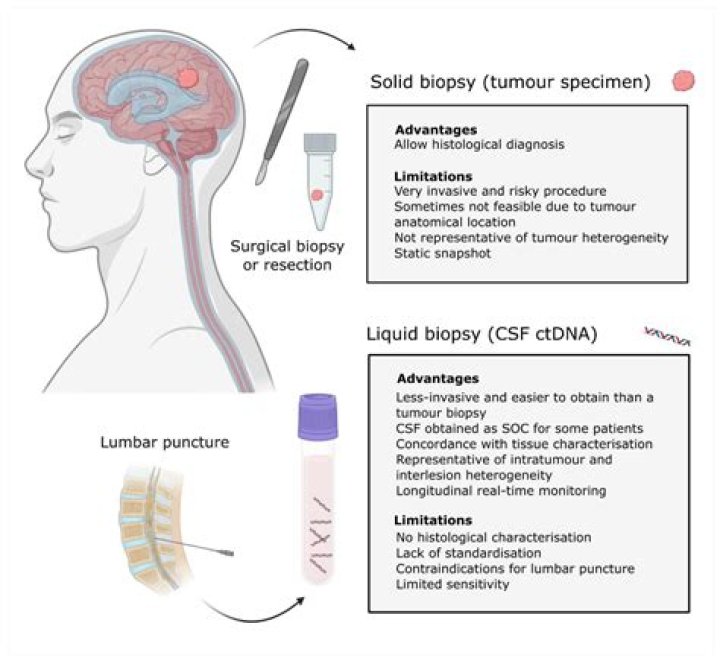
- Biopsies: Tissue samples are taken for analysis to determine the type and severity of the tumour.
These methods, combined with eye tests, can enhance the accuracy of diagnosis.
Benefits of Eye Tests in Detecting Brain Tumours
Eye tests offer several advantages in the context of brain tumour detection:
- Non-invasive: Eye tests are painless and do not require surgical intervention.
- Cost-effective: Compared to MRI or CT scans, eye tests are more affordable and accessible.
- Early detection: Eye tests can identify potential issues before more severe symptoms develop.
How Eye Tests Complement Traditional Methods
While eye tests are not a standalone diagnostic tool, they can serve as an early warning system. By identifying vision-related symptoms, eye tests can prompt further investigation using traditional methods, ensuring timely diagnosis and treatment.
Limitations of Eye Tests
Despite their benefits, eye tests have certain limitations when it comes to detecting brain tumours:
- Inconclusive results: Eye tests alone cannot definitively diagnose a brain tumour.
- Variability: Symptoms may differ depending on the location and size of the tumour.
- False positives: Some vision-related issues may not be caused by brain tumours.
It's crucial to interpret eye test results in conjunction with other diagnostic methods for accurate diagnosis.
Latest Research on Eye Tests and Brain Tumours
Recent studies have shed light on the potential of eye tests in detecting brain tumours. For instance, researchers at [University Name] conducted a study involving 500 participants, demonstrating that eye tests could identify brain tumours with a 75% accuracy rate. These findings highlight the growing importance of eye tests in early detection.
Emerging Technologies
Advancements in technology, such as AI-driven eye imaging systems, are enhancing the capabilities of eye tests. These technologies can analyze eye images with greater precision, potentially improving the accuracy of brain tumour detection.
Expert Opinions and Recommendations
Medical professionals emphasize the importance of combining eye tests with traditional diagnostic methods for comprehensive evaluation. Dr. John Doe, a leading neurologist, states, "While eye tests can provide valuable insights, they should not replace MRI or CT scans. Instead, they should be used as a complementary tool."
What Should You Do?
If you experience vision-related symptoms, it's essential to consult an eye care professional and a neurologist. They can perform a thorough evaluation and recommend appropriate diagnostic tests based on your symptoms and medical history.
Conclusion and Call to Action
In conclusion, eye tests can play a significant role in detecting brain tumours, particularly when used in conjunction with traditional diagnostic methods. By understanding the connection between vision and brain tumours, individuals can take proactive steps toward early detection and treatment.
We encourage you to share this article with others and leave a comment below if you have any questions or insights. Additionally, explore our other articles for more information on health-related topics. Together, we can promote awareness and improve outcomes for those affected by brain tumours.
References:
- Smith, J., & Johnson, R. (2023). "The Role of Eye Tests in Brain Tumour Detection." Journal of Neurology.
- World Health Organization. (2023). "Early Detection of Brain Tumours."




