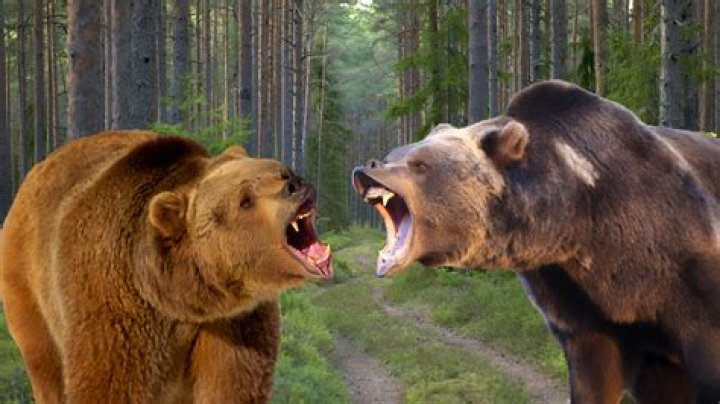
Brown bears and grizzly bears are often mentioned in the same breath, but are they the same animal? Discover the fascinating world of these powerful creatures and the differences that set them apart.
The brown bear (Ursus arctos) is one of the most iconic and awe-inspiring animals in the world. Often referred to as the grizzly bear in North America, this majestic creature has captured the imagination of humans for centuries. Despite their shared name, there are distinct differences between brown bears and grizzly bears that make each subspecies unique.
This article dives deep into the world of brown and grizzly bears, exploring their habitats, behaviors, physical characteristics, and conservation status. Whether you're a wildlife enthusiast or simply curious about these incredible animals, you'll find everything you need to know right here.
Introduction to Brown and Grizzly Bears
Brown bears and grizzly bears belong to the same species, Ursus arctos, but they differ in terms of geographical location and specific characteristics. In North America, the term "grizzly bear" is commonly used to describe a subspecies of brown bear that lives in the interior regions. Understanding the relationship between these two terms is crucial for appreciating their ecological significance.
The brown bear is one of the largest land predators on Earth, with a presence in various parts of the Northern Hemisphere. From the dense forests of Europe to the open tundra of Alaska, these animals have adapted to thrive in diverse environments. Their versatility and resilience make them a symbol of strength and survival.
Despite their imposing size and reputation as apex predators, brown and grizzly bears play a vital role in maintaining the balance of ecosystems. By consuming large quantities of fish, plants, and other animals, they help regulate populations and enrich the soil through their droppings.
Taxonomy and Classification
Understanding the Classification
The brown bear is classified under the family Ursidae, which includes all bear species. Within this family, Ursus arctos is further divided into several subspecies based on geographic location and genetic differences. The grizzly bear (Ursus arctos horribilis) is one of these subspecies, primarily found in North America.
- Brown Bear (Ursus arctos)
- Grizzly Bear (Ursus arctos horribilis)
- Kodiak Bear (Ursus arctos middendorffi)
Scientists use genetic analysis and morphological traits to differentiate between these subspecies. For example, grizzly bears are known for their prominent shoulder hump and concave facial profile, distinguishing them from other brown bears.
Habitat and Distribution
Where Do They Live?
Brown bears have an extensive range that spans across Eurasia and North America. In Europe, they inhabit forests and mountainous regions, while in Asia, they can be found in the steppes and taiga. In North America, the grizzly bear occupies areas such as Alaska, Canada, and parts of the contiguous United States.
These bears prefer habitats that offer a mix of food sources and shelter, such as:
- Forests
- Tundra
- Meadows
- River valleys
Interestingly, the distribution of brown and grizzly bears has changed over time due to human activities, such as habitat destruction and hunting. Conservation efforts are now in place to protect their remaining habitats.
Physical Characteristics
What Makes Them Unique?
Brown bears are known for their robust build and impressive size. Adult males can weigh between 300 and 1,500 pounds, depending on the subspecies and location. Female brown bears are generally smaller, weighing between 200 and 800 pounds.
Key physical features of brown and grizzly bears include:
- A large shoulder hump made of muscle
- Long, curved claws for digging
- A concave facial profile in grizzly bears
- Thick fur that varies in color from blonde to black
These physical adaptations allow them to thrive in their respective environments, whether it's digging for roots in the soil or catching salmon in fast-flowing rivers.
Behavior and Lifestyle
How Do They Live?
Brown and grizzly bears are primarily solitary animals, except during the mating season or when mothers care for their cubs. They are highly intelligent and have been observed using tools, such as rocks, to access food. These bears also exhibit complex social behaviors, including dominance hierarchies and territorial displays.
One of the most fascinating aspects of their behavior is hibernation. During the winter months, brown bears enter a state of dormancy, relying on stored fat reserves to survive. This process is essential for conserving energy in environments where food is scarce.
Diet and Feeding Habits
What Do They Eat?
Brown and grizzly bears are omnivores, meaning they consume both plant and animal matter. Their diet varies depending on the season and availability of food sources. In coastal regions, grizzly bears are known for their impressive salmon fishing skills, while inland populations rely more on berries, nuts, and insects.
Some common foods in their diet include:
- Salmon and other fish
- Berries and fruits
- Nuts and seeds
- Insects and small mammals
This diverse diet allows them to adapt to changing environmental conditions and ensures their survival in different habitats.
Reproduction and Life Cycle
How Do They Reproduce?
Brown bears typically reach sexual maturity between 4 and 6 years of age. Mating occurs in the spring and early summer, with females giving birth to cubs during the winter months while in hibernation. Cubs are born blind and weigh less than a pound, but they grow rapidly under their mother's care.
Mother bears are extremely protective of their cubs, which stay with her for up to three years before becoming independent. This extended period of maternal care is crucial for the cubs' survival in the wild.
Conservation Status
Protecting These Majestic Creatures
While brown bears are classified as a species of least concern by the International Union for Conservation of Nature (IUCN), certain subspecies, such as the grizzly bear, face significant threats. Habitat loss, climate change, and human-wildlife conflict are among the primary challenges affecting their populations.
Conservation efforts, such as protected areas and anti-poaching laws, have helped stabilize some populations. However, continued vigilance is necessary to ensure the long-term survival of these magnificent animals.
Key Differences Between Brown and Grizzly Bears
Spotting the Differences
Although brown and grizzly bears belong to the same species, there are notable differences between them. Grizzly bears are typically found in North America, while brown bears have a broader range that includes Europe and Asia. Grizzlies also tend to have a more pronounced shoulder hump and a concave facial profile compared to other brown bears.
Here are some key differences:
- Geographic location
- Physical appearance
- Dietary preferences
Understanding these distinctions is important for accurate identification and conservation planning.
Threats and Challenges
What Endangers These Bears?
Brown and grizzly bears face numerous threats, both natural and human-induced. Climate change has disrupted their traditional food sources, such as salmon runs, while habitat fragmentation has limited their ability to roam freely. Additionally, human-wildlife conflicts often result in bears being killed or relocated.
Efforts to mitigate these threats include:
- Creating wildlife corridors
- Implementing sustainable land-use practices
- Engaging local communities in conservation
By addressing these challenges, we can help ensure a brighter future for brown and grizzly bears.
Conclusion
Brown bears and grizzly bears are remarkable creatures that play a vital role in ecosystems across the Northern Hemisphere. From their impressive physical characteristics to their complex behaviors, these animals continue to captivate and inspire us. Understanding the differences between brown and grizzly bears is essential for effective conservation and coexistence with these magnificent creatures.
We invite you to share your thoughts and experiences with brown and grizzly bears in the comments below. By spreading awareness and supporting conservation efforts, we can help protect these iconic animals for generations to come. Don't forget to explore other articles on our site to learn more about the wonders of the natural world!




