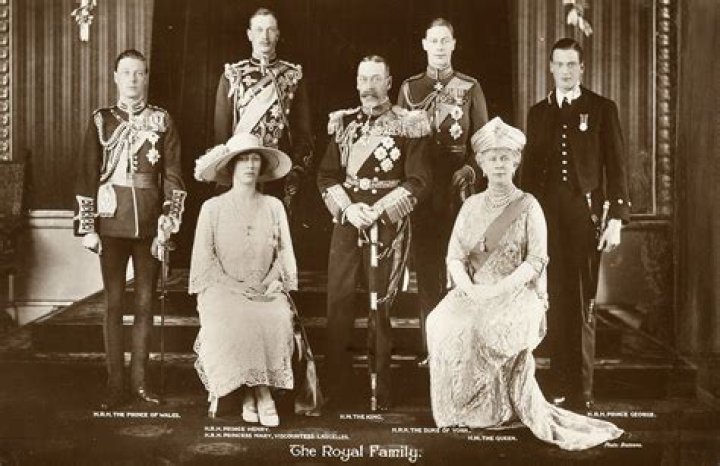
The British Royal Family has always been a symbol of tradition, power, and historical significance. From the early days of the monarchy to the modern era, the British royal history is rich with fascinating stories, pivotal events, and influential figures that have shaped not only the United Kingdom but also the world. If you are intrigued by the grandeur and legacy of the British monarchy, you are in the right place. This article will take you on a comprehensive journey through the history of the British Royal Family.
For centuries, the British monarchy has played a central role in shaping the cultural, political, and social landscape of the United Kingdom. The monarchy's history is filled with tales of triumph, tragedy, and transformation, making it one of the most captivating dynasties in the world. Understanding the British royal history provides a deeper insight into the evolution of this iconic institution.
In this article, we will explore the key milestones, influential monarchs, and the enduring traditions that define the British Royal Family. Whether you are a history enthusiast or simply curious about the monarchy, this article will provide you with a wealth of information and fascinating insights into the rich tapestry of British royal history.
The Early Monarchy: Foundations of Power
The origins of the British monarchy can be traced back to the early Anglo-Saxon kings who ruled England in the 5th century. Over time, these rulers established a centralized system of governance that laid the foundation for the modern monarchy. The coronation of King Alfred the Great in 871 marked a significant turning point in the history of the monarchy, as he became one of the first kings to unify much of England under a single ruler.
During this period, the monarchy faced numerous challenges, including invasions and internal conflicts. However, the resilience and adaptability of the early kings ensured the survival of the institution. The Norman Conquest of 1066 brought a new era of governance, with William the Conqueror establishing a feudal system that strengthened the monarchy's control over the land.
Key Figures in the Early Monarchy
- King Alfred the Great: Known for his military prowess and educational reforms.
- William the Conqueror: Introduced the Norman system of governance.
- King Henry I: Strengthened the legal and administrative systems of the monarchy.
The Medieval Era: Expansion and Conflict
The medieval period was a time of significant expansion and conflict for the British monarchy. During this era, the monarchy extended its influence across Europe, establishing powerful alliances and engaging in wars to protect its territories. The Magna Carta of 1215 marked a pivotal moment in the history of the monarchy, as it limited the king's powers and established the principle of rule by law.
Throughout the medieval period, the monarchy faced numerous challenges, including the Wars of the Roses, which were a series of civil wars fought between the House of Lancaster and the House of York. These conflicts ultimately led to the rise of the Tudor dynasty, which ushered in a new era of stability and prosperity.
Significant Events in the Medieval Era
- The signing of the Magna Carta in 1215.
- The Hundred Years' War between England and France.
- The Wars of the Roses, which culminated in the victory of Henry Tudor.
The Tudor Dynasty: A Golden Age
The Tudor dynasty, which ruled England from 1485 to 1603, is often regarded as one of the most influential periods in British royal history. Under the reign of monarchs such as Henry VIII and Elizabeth I, England experienced significant cultural, religious, and political transformations. The establishment of the Church of England and the exploration of new territories during the Elizabethan era marked the height of the dynasty's influence.
Henry VIII's break with the Roman Catholic Church and the subsequent establishment of the Anglican Church had a profound impact on English society and governance. Elizabeth I's reign, known as the Elizabethan era, saw the flourishing of the arts, science, and exploration, making England a dominant global power.
Major Achievements of the Tudor Dynasty
- The establishment of the Church of England.
- The exploration of new territories, including the Americas.
- The flourishing of the arts and literature during the Elizabethan era.
The Stuart Legacy: Revolution and Restoration
The Stuart dynasty, which ruled England from 1603 to 1714, was marked by significant political and social upheaval. The reign of King Charles I ended in the English Civil War, which resulted in the execution of the king and the establishment of a republican government under Oliver Cromwell. The Restoration of the monarchy in 1660 brought Charles II to the throne, marking the beginning of a new era of stability and cultural revival.
During the Stuart period, England experienced significant scientific and cultural advancements, including the works of Sir Isaac Newton and the establishment of the Royal Society. However, the Glorious Revolution of 1688 saw the overthrow of King James II and the establishment of a constitutional monarchy, which limited the powers of the king and established the principles of parliamentary democracy.
Key Events During the Stuart Period
- The English Civil War and the execution of Charles I.
- The Restoration of the monarchy under Charles II.
- The Glorious Revolution and the establishment of a constitutional monarchy.
Hanoverian Rule: Stability and Growth
The Hanoverian dynasty, which ruled Britain from 1714 to 1901, marked a period of significant stability and growth. Under the reign of monarchs such as George III and Queen Victoria, Britain experienced industrialization, expansion of the British Empire, and the establishment of modern political institutions. The Hanoverian era saw the rise of Britain as a global superpower, with its influence extending across the world.
Queen Victoria's reign, which lasted from 1837 to 1901, is often regarded as the height of the Hanoverian dynasty's influence. During her reign, Britain became a dominant global power, with its empire spanning across continents. The Victorian era also saw significant social and cultural advancements, including the abolition of slavery and the establishment of universal suffrage.
Significant Developments During the Hanoverian Era
- The Industrial Revolution and the growth of British industry.
- The expansion of the British Empire.
- The establishment of modern political institutions.
The Victorian Era: Industrialization and Empire
The Victorian era, which spanned from 1837 to 1901, was a period of unprecedented growth and transformation for the British monarchy. Under the reign of Queen Victoria, Britain became a global superpower, with its influence extending across continents. The Industrial Revolution brought about significant advancements in technology, transportation, and communication, transforming the economic landscape of Britain.
During this period, the British Empire reached its zenith, with territories spanning across the globe. The cultural and social advancements of the Victorian era laid the foundation for modern society, with significant developments in education, healthcare, and social welfare. Queen Victoria's reign remains one of the most iconic periods in British royal history.
Major Achievements of the Victorian Era
- The Industrial Revolution and technological advancements.
- The expansion of the British Empire.
- Cultural and social advancements, including education and healthcare reforms.
The Windsor Dynasty: Modernization and Challenges
The Windsor dynasty, which began in 1917, marked a new era of modernization and challenges for the British monarchy. Under the reign of monarchs such as George V, Elizabeth II, and the current King Charles III, the monarchy has faced significant changes in the social, political, and cultural landscape of Britain. The abdication of King Edward VIII in 1936 and the marriage of Prince Charles to Lady Diana Spencer are just a few examples of the challenges faced by the monarchy in the modern era.
Despite these challenges, the Windsor dynasty has remained a symbol of tradition and continuity. Queen Elizabeth II's reign, which lasted from 1952 to 2022, was marked by significant global changes, including the decolonization of the British Empire and the rise of new global powers. The monarchy continues to adapt to the changing world, maintaining its relevance in the modern era.
Key Challenges Faced by the Windsor Dynasty
- The abdication of King Edward VIII.
- The marriage and subsequent divorce of Prince Charles and Princess Diana.
- The changing role of the monarchy in the modern world.
Royal Traditions: Ceremonies and Rituals
The British monarchy is renowned for its rich traditions and ceremonies, which have been passed down through generations. From the coronation of the monarch to the annual Trooping the Colour ceremony, these traditions serve as a reminder of the monarchy's enduring legacy. The Changing of the Guard at Buckingham Palace and the State Opening of Parliament are just a few examples of the many ceremonies that continue to captivate audiences around the world.
These traditions not only preserve the cultural heritage of the monarchy but also serve as a unifying force for the British people. The continuity of these ceremonies ensures that the monarchy remains a symbol of stability and tradition in an ever-changing world.
Notable Royal Ceremonies
- The coronation of the monarch.
- The Trooping the Colour ceremony.
- The Changing of the Guard at Buckingham Palace.
Influence on Global Politics
The British monarchy has played a significant role in shaping global politics throughout its history. From the establishment of the British Empire to its role in the modern Commonwealth, the monarchy has influenced political, social, and economic developments across the world. The monarchy's involvement in international affairs has often served as a bridge between nations, promoting diplomacy and cooperation.
In the modern era, the monarchy continues to play a role in global politics, particularly through its involvement in the Commonwealth. The Commonwealth, which consists of 54 member states, promotes economic development, democracy, and human rights, with the British monarch serving as its head. The monarchy's influence on global politics remains a testament to its enduring legacy.
Key Contributions of the Monarchy to Global Politics
- The establishment and expansion of the British Empire.
- The promotion of democracy and human rights through the Commonwealth.
- The role of the monarchy in international diplomacy and cooperation.
The Future of the British Monarchy
As the world continues to evolve, the British monarchy faces new challenges and opportunities in the modern era. The monarchy must adapt to changing societal values and expectations while maintaining its traditional role as a symbol of stability and continuity. The succession of King Charles III to the throne in 2022 marked a new chapter in the monarchy's history, with the potential for significant changes in the years to come.
The future of the monarchy will depend on its ability to remain relevant and connected to the people it serves. By embracing modernization while preserving its rich traditions, the monarchy can continue to thrive in the 21st century and beyond. The enduring legacy of the British monarchy serves as a reminder of its importance in shaping the cultural and political landscape of the world.
Looking Ahead: The Monarchy's Role in the Modern World
- Adapting to changing societal values and expectations.
- Maintaining its role as a symbol of stability and continuity.
- Promoting unity and cooperation through the Commonwealth.



