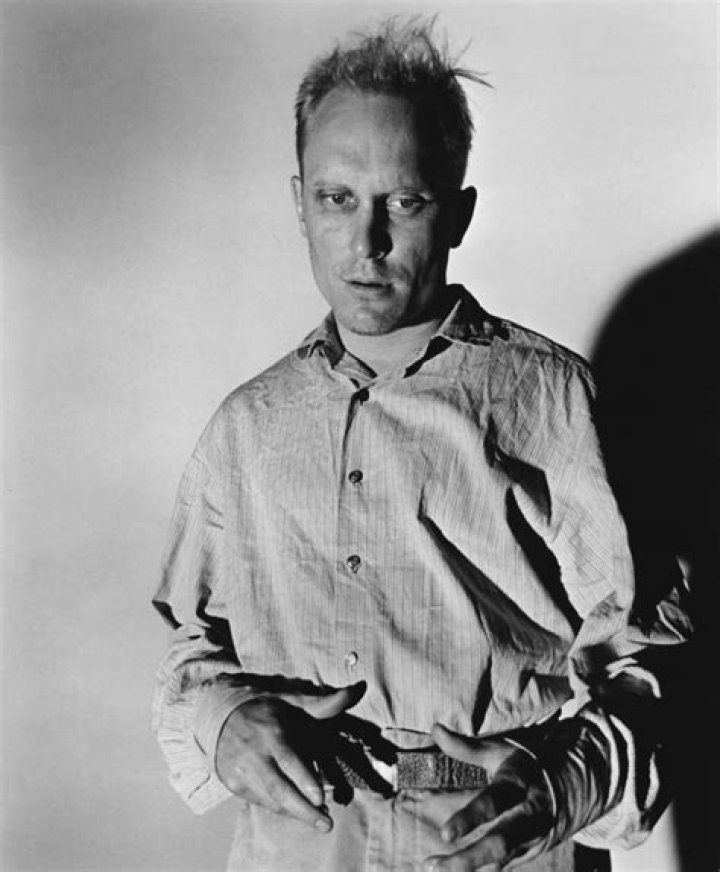
Boo Radley is one of the most enigmatic characters in Harper Lee's iconic novel "To Kill a Mockingbird." This mysterious figure has captivated readers for decades, sparking curiosity and debate about his role in the story. As a central figure in the narrative, Boo Radley symbolizes themes of isolation, prejudice, and redemption. Through his character, Harper Lee explores the complexities of human nature and the dangers of judging others based on appearances.
In "To Kill a Mockingbird," Boo Radley represents the misunderstood and ostracized individuals in society. His story serves as a poignant reminder of the importance of empathy and understanding. By delving into Boo Radley's character, readers gain insight into the broader societal issues addressed in the novel, including racial injustice and social inequality.
Throughout this article, we will explore Boo Radley's character in depth, analyzing his role in "To Kill a Mockingbird" and the deeper meaning behind his presence in the story. From his mysterious background to his eventual redemption, Boo Radley's journey is a powerful testament to the transformative power of compassion and understanding.
Character Overview of Boo Radley
Arthur "Boo" Radley is a pivotal character in "To Kill a Mockingbird," whose presence looms large throughout the novel despite his limited appearances. He is the subject of much speculation and rumor in the town of Maycomb, where he is perceived as a recluse and a potential threat to the community. However, as the story unfolds, readers come to understand that Boo Radley is far more complex than the stereotypes that define him.
Boo Radley's character serves as a catalyst for the novel's exploration of themes such as prejudice, empathy, and the consequences of societal judgment. Through his interactions with Scout Finch and Jem Finch, Boo Radley demonstrates the transformative power of kindness and understanding. His eventual emergence from isolation highlights the novel's message of hope and redemption.
The Mysterious Figure in Maycomb
From the outset, Boo Radley is portrayed as a mysterious figure in Maycomb, a small town where everyone knows each other's business. The townspeople view him with a mix of fear and fascination, perpetuating myths about his supposed violent tendencies and strange behavior. These rumors contribute to Boo Radley's isolation, as he becomes a symbol of the unknown and the feared.
Despite the negative stereotypes surrounding Boo Radley, the Finch children, Scout and Jem, develop a fascination with him. Their curiosity leads them to explore the Radley house and attempt to uncover the truth about Boo Radley. This exploration sets the stage for Boo Radley's eventual role in the story as a protector and ally to the Finch children.
Biography of Boo Radley
Boo Radley's life is shrouded in mystery, with much of his story revealed through fragmented details and hearsay. Born Arthur Radley, Boo Radley grew up in a strict household under the watchful eyes of his overbearing father. His early life was marked by a series of incidents that led to his eventual confinement within the Radley house.
In his youth, Boo Radley was involved in a series of mischievous activities with his friends, culminating in a run-in with the law. Instead of facing legal consequences, Boo Radley's father opted to keep him hidden away from the world, effectively isolating him from society. This decision had a profound impact on Boo Radley's mental and emotional well-being, shaping the reclusive figure he becomes in the novel.
Biographical Details
| Name | Arthur "Boo" Radley |
|---|---|
| Family | Mr. Radley (father), Mrs. Radley (mother), Nathan Radley (brother) |
| Residence | Radley House, Maycomb, Alabama |
| Occupation | None (recluse) |
Symbolism Behind Boo Radling
Boo Radley serves as a powerful symbol in "To Kill a Mockingbird," representing various themes and ideas explored throughout the novel. His character embodies the concept of the "mockingbird," a symbol of innocence and goodness that should not be harmed. Through Boo Radley, Harper Lee emphasizes the dangers of prejudice and the importance of empathy.
Boo Radley's isolation and eventual redemption also symbolize the potential for change and transformation. His journey from a feared recluse to a compassionate protector highlights the novel's message of hope and understanding. By examining Boo Radley's symbolism, readers gain a deeper appreciation for the novel's central themes and messages.
The Mockingbird Symbol
- Boo Radley represents innocence and goodness that should not be harmed.
- His character challenges societal perceptions of those who are different or misunderstood.
- Through Boo Radley, Harper Lee critiques the tendency to judge others based on appearances.
The Mystery Surrounding Boo Radley
One of the most compelling aspects of Boo Radley's character is the mystery surrounding his life and motivations. Throughout the novel, Boo Radley remains largely unseen, contributing to the air of intrigue that surrounds him. His limited appearances make his eventual emergence all the more impactful, as readers come to understand the depth of his character.
The mystery surrounding Boo Radley is further enhanced by the rumors and myths perpetuated by the townspeople of Maycomb. These stories serve to reinforce the novel's exploration of prejudice and the dangers of jumping to conclusions about others. By unraveling the mystery of Boo Radley, readers gain insight into the complexities of human nature and the importance of empathy.
Unveiling the Truth
As the story progresses, Boo Radley's true nature begins to emerge, revealing a character far different from the one portrayed by the townspeople. Through his interactions with Scout and Jem, Boo Radley demonstrates kindness and compassion, challenging the stereotypes that define him. His eventual emergence from isolation serves as a powerful testament to the transformative power of understanding and empathy.
Boo Radley's Relationship with Scout and Jem
Boo Radley's relationship with Scout Finch and Jem Finch is central to his character development in "To Kill a Mockingbird." Initially viewed as a figure of fear and fascination, Boo Radley gradually becomes a protector and ally to the Finch children. Through his actions, Boo Radley demonstrates the transformative power of kindness and understanding.
Scout and Jem's curiosity about Boo Radley leads them to explore the Radley house and attempt to uncover the truth about him. These efforts, while initially misguided, ultimately lead to a deeper understanding of Boo Radley's character and the importance of empathy. By the end of the novel, Boo Radley's relationship with the Finch children serves as a powerful reminder of the importance of seeing others for who they truly are.
Key Moments in Their Relationship
- Boo Radley leaves gifts for Scout and Jem in the knothole of a tree.
- He mends Jem's pants after an incident at the Radley house.
- Boo Radley saves Scout and Jem from an attack by Bob Ewell.
Themes Explored Through Boo Radley
Boo Radley's character serves as a vehicle for exploring several key themes in "To Kill a Mockingbird," including prejudice, empathy, and the consequences of societal judgment. Through his story, Harper Lee critiques the tendency to judge others based on appearances and highlights the importance of understanding and compassion.
The theme of prejudice is particularly evident in the way Boo Radley is treated by the townspeople of Maycomb. The rumors and myths surrounding his character perpetuate a cycle of fear and misunderstanding, underscoring the novel's message about the dangers of jumping to conclusions about others. By examining Boo Radley's character, readers gain insight into the broader societal issues addressed in the novel.
Key Themes
- Prejudice and stereotypes.
- The importance of empathy and understanding.
- The consequences of societal judgment.
Isolation and Prejudice
Boo Radley's isolation is a central aspect of his character, highlighting the novel's exploration of themes related to social exclusion and prejudice. Through his confinement within the Radley house, Boo Radley becomes a symbol of the ostracized and misunderstood individuals in society. His story serves as a powerful reminder of the importance of empathy and understanding in overcoming societal barriers.
The prejudice directed toward Boo Radley by the townspeople of Maycomb underscores the novel's critique of societal judgment. By examining the impact of isolation on Boo Radley's life, readers gain insight into the broader societal issues addressed in the novel, including racial injustice and social inequality.
The Impact of Isolation
Boo Radley's isolation has a profound impact on his mental and emotional well-being, shaping the reclusive figure he becomes in the novel. Through his eventual emergence from isolation, Boo Radley demonstrates the transformative power of compassion and understanding. His journey serves as a powerful testament to the importance of empathy in overcoming societal barriers.
Rehabilitation and Redemption
Boo Radley's eventual rehabilitation and redemption are central to the novel's message of hope and understanding. Through his actions, Boo Radley demonstrates the transformative power of kindness and compassion, challenging the stereotypes that define him. His journey serves as a powerful reminder of the potential for change and transformation in all individuals.
By examining Boo Radley's rehabilitation and redemption, readers gain insight into the novel's exploration of themes related to empathy and understanding. His story serves as a testament to the power of compassion in overcoming societal barriers and promoting positive change.
Redemption Through Kindness
- Boo Radley's kindness toward Scout and Jem challenges the stereotypes that define him.
- His eventual emergence from isolation highlights the transformative power of understanding and empathy.
- Through his actions, Boo Radley demonstrates the potential for change and transformation in all individuals.
Criticisms and Interpretations
Boo Radley's character has been the subject of much criticism and interpretation since the publication of "To Kill a Mockingbird." Some critics argue that Boo Radley's reclusive nature perpetuates negative stereotypes about mental illness and social isolation. Others view his character as a powerful symbol of hope and redemption, highlighting the transformative power of empathy and understanding.
Regardless of the interpretations, Boo Radley's character remains a central figure in the novel's exploration of themes related to prejudice, empathy, and societal judgment. Through his story, readers gain insight into the complexities of human nature and the importance of compassion in promoting positive change.
Interpretations of Boo Radley's Character
- Symbol of hope and redemption.
- Criticisms of negative stereotypes about mental illness and social isolation.
- Exploration of themes related to empathy and understanding.
Legacy of Boo Radley
Boo Radley's legacy in "To Kill a Mockingbird" extends beyond the pages of the novel, influencing readers and critics alike. His character serves as a powerful reminder of the importance of empathy and understanding in overcoming societal barriers and promoting positive change. Through his story, Harper Lee highlights the transformative power of compassion and the dangers of prejudice.
As readers continue to engage with "To Kill a Mockingbird," Boo Radley's character remains a central figure in discussions about the novel's themes and messages. His story serves as a testament to the power of empathy in promoting understanding and fostering positive change in society.
Boo Radley's Enduring Impact
Boo Radley's enduring impact on readers and critics alike underscores the novel's