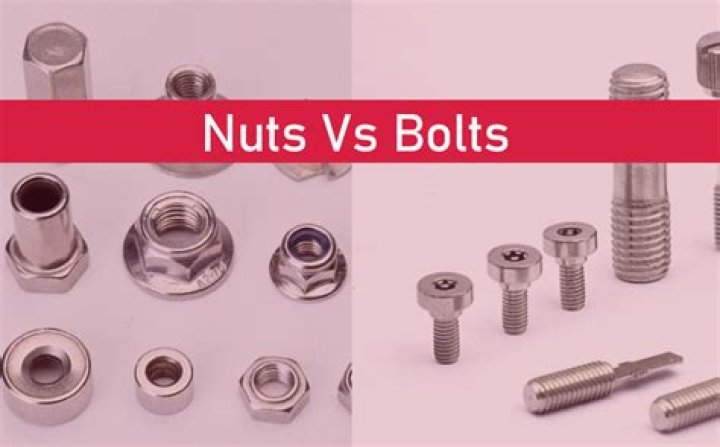
In the world of engineering and construction, bolts and nuts play an indispensable role in ensuring structural integrity and reliability. These small yet powerful components are the backbone of countless projects, from building skyscrapers to assembling machinery. Without bolts and nuts, modern infrastructure would crumble. This article delves deep into the world of bolts and nuts, exploring their significance, types, applications, and much more.
Bolts and nuts are not just simple fasteners; they are precision-engineered components that hold structures together under immense pressure. Understanding their properties and applications is crucial for engineers, builders, and anyone involved in construction or manufacturing. This guide aims to provide comprehensive insights into bolts and nuts, ensuring you have the knowledge to make informed decisions.
As we navigate through this article, we will explore the history of bolts and nuts, their various types, material considerations, installation techniques, and maintenance tips. By the end of this guide, you will have a thorough understanding of why bolts and nuts are essential and how to use them effectively in your projects.
The History of Bolts and Nuts
The origins of bolts and nuts date back to ancient civilizations. The Romans were among the first to use rudimentary versions of these fasteners in their engineering projects. Over centuries, the design and manufacturing processes evolved, leading to the highly sophisticated bolts and nuts we use today. The Industrial Revolution was a turning point, as mass production techniques allowed for the creation of standardized fasteners.
Today, bolts and nuts are manufactured using advanced machinery and materials, ensuring consistency and reliability. Their evolution has been driven by the need for stronger, more durable, and versatile fastening solutions.
Key Historical Milestones
- 200 BCE: Early use of threaded fasteners by the Romans.
- 1841: Standardization of threads by Joseph Whitworth.
- Mid-20th Century: Introduction of high-strength materials like alloy steel.
Types of Bolts and Nuts
Bolts and nuts come in various shapes and sizes, each designed for specific applications. Understanding the different types is essential for selecting the right fastener for your project.
Common Types of Bolts
- Hex Bolt: Widely used in construction and machinery.
- Carriage Bolt: Ideal for wood-to-wood applications.
- Eye Bolt: Used for lifting and rigging purposes.
- Socket Head Cap Screw: Common in automotive and aerospace industries.
Common Types of Nuts
- Hex Nut: The most common type, used in a variety of applications.
- T-Nut: Perfect for attaching objects to wood or metal.
- Lock Nut: Prevents loosening under vibration.
- Wing Nut: Easy to tighten and loosen by hand.
Materials Used in Bolts and Nuts
The choice of material for bolts and nuts depends on factors such as strength requirements, environmental conditions, and cost considerations. Common materials include:
- Carbon Steel: Known for its strength and affordability.
- Stainless Steel: Resistant to corrosion, ideal for outdoor applications.
- Aluminum: Lightweight and corrosion-resistant.
- Titanium: High strength-to-weight ratio, often used in aerospace.
Material Selection Criteria
When selecting materials, consider the following:
- Load-bearing capacity.
- Environmental exposure.
- Temperature resistance.
- Cost-effectiveness.
Applications of Bolts and Nuts
Bolts and nuts are used in virtually every industry, from construction to automotive to aerospace. Their versatility makes them indispensable in numerous applications:
- Building and Construction: Securing structural components.
- Automotive Industry: Assembling engines and vehicle parts.
- Aerospace Engineering: Fastening critical components in aircraft.
- Marine Industry: Ensuring durability in harsh marine environments.
Specialized Applications
In addition to general use, specialized bolts and nuts are designed for specific tasks:
- High-Temperature Bolts: Used in power plants and furnaces.
- Self-Locking Nuts: Ideal for applications involving vibration.
- Threaded Rods: Used for heavy-duty fastening in industrial settings.
Installation Techniques
Proper installation is crucial for ensuring the effectiveness of bolts and nuts. Here are some best practices:
- Use the correct tools for tightening to avoid over-torquing.
- Ensure threads are clean and free from debris before installation.
- Follow manufacturer guidelines for torque specifications.
Common Installation Mistakes
Avoid these common pitfalls during installation:
- Over-tightening, which can lead to thread damage.
- Using mismatched bolts and nuts, resulting in poor fitment.
- Ignoring environmental factors that may affect performance.
Maintenance and Inspection
Regular maintenance and inspection of bolts and nuts are essential for ensuring long-term performance. Here’s how to keep them in optimal condition:
- Inspect for signs of corrosion or wear regularly.
- Apply anti-seize lubricants to prevent seizing.
- Replace worn-out components promptly to avoid failures.
Inspection Checklist
Use this checklist during inspections:
- Check for loose or missing fasteners.
- Look for signs of corrosion or rust.
- Ensure proper alignment and fitment.
Industry Standards and Regulations
Adhering to industry standards ensures the quality and reliability of bolts and nuts. Key standards include:
- ISO 898-1: Mechanical properties of fasteners.
- ASTM F568M: Specification for carbon and alloy steel bolts.
- SAE J429: Standard for grade markings on bolts.
Importance of Standards
Standards provide a framework for:
- Ensuring consistent quality across manufacturers.
- Defining performance criteria and testing methods.
- Facilitating international trade and compatibility.
Benefits of Using High-Quality Bolts and Nuts
Investing in high-quality bolts and nuts offers numerous advantages:
- Enhanced structural integrity and safety.
- Increased durability and resistance to environmental factors.
- Reduced maintenance costs and downtime.
Cost vs. Quality
While cheaper alternatives may seem appealing, they often lead to higher costs in the long run due to:
- Increased failure rates.
- Frequent replacements and repairs.
- Potential safety hazards.
Common Challenges and Solutions
Using bolts and nuts effectively comes with its own set of challenges. Here are some common issues and their solutions:
- Problem: Corrosion. Solution: Use corrosion-resistant materials like stainless steel.
- Problem: Vibration-induced loosening. Solution: Employ self-locking nuts or thread-locking adhesives.
- Problem: Over-tightening. Solution: Follow torque specifications and use calibrated tools.
Preventive Measures
Implement these measures to avoid common challenges:
- Regular inspections and maintenance schedules.
- Proper storage to prevent exposure to moisture and contaminants.
- Training personnel on correct installation techniques.
The Future of Bolts and Nuts in Engineering
As technology continues to advance, the future of bolts and nuts looks promising. Innovations in material science and manufacturing processes will lead to stronger, lighter, and more durable fasteners. Smart bolts with built-in sensors are already being developed to monitor stress and strain in real-time.
The integration of Industry 4.0 technologies, such as IoT and AI, will further enhance the capabilities of bolts and nuts, enabling predictive maintenance and optimized performance.
Emerging Trends
- Development of advanced composite materials.
- Integration of smart technologies for real-time monitoring.
- Sustainability initiatives to reduce environmental impact.
Kesimpulan
Bolts and nuts are essential components in engineering and construction, playing a critical role in ensuring structural integrity and reliability. This guide has explored their history, types, materials, applications, and much more, providing a comprehensive understanding of their importance.
We encourage you to apply the knowledge gained from this article to your projects. For further insights, feel free to leave a comment or share this article with others who may find it valuable. Explore our other resources for more in-depth information on engineering and construction topics.
Remember, choosing the right bolts and nuts can make all the difference in the success and safety of your projects. Stay informed and stay ahead!




