Boiling water temperature is a critical concept in cooking, science, and various industries. Understanding what temperature water boils at and how it impacts various processes can significantly enhance your knowledge and application in everyday life. Whether you're a home cook, a scientist, or an engineer, this topic is essential to grasp.
Water boiling is not just a simple process of heating liquid until bubbles form. It involves complex physics and chemistry that affect everything from cooking pasta to industrial steam production. This article aims to provide a comprehensive understanding of boiling water temperature and its implications across different fields.
Whether you're looking to improve your culinary skills or deepen your scientific knowledge, understanding the boiling point of water is crucial. From altitude effects to the use of boiling water in technology, this guide will cover all aspects to ensure you have a thorough understanding of this fundamental concept.
Boiling Point Basics
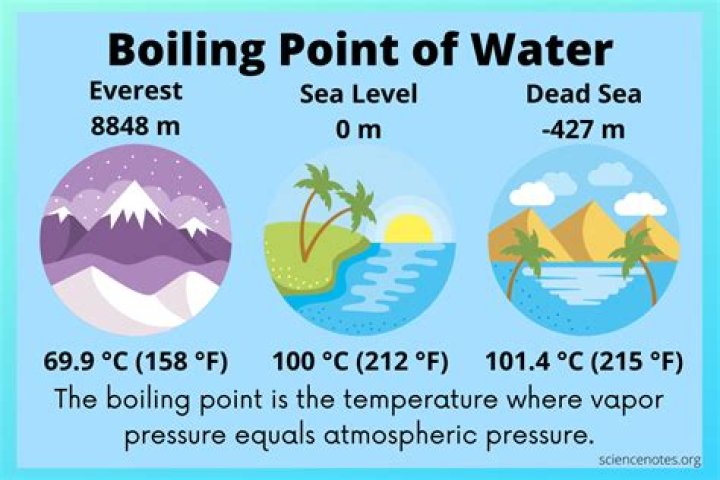
The boiling point of water is the temperature at which water transitions from a liquid to a gas throughout the bulk of the liquid. At standard atmospheric pressure (1 atm), water boils at 100°C (212°F). However, the boiling point can vary depending on several factors.
Factors Influencing Boiling Point:
- Altitude: Higher altitudes result in lower atmospheric pressure, reducing the boiling point.
- Impurities: Substances dissolved in water can affect its boiling point, often raising it slightly.
- Container Material: While less significant, the material of the container can influence heat transfer efficiency.
Understanding these basics is crucial for applications ranging from cooking to industrial processes.
The Science Behind Boiling
Understanding Phase Changes
Boiling is a phase change process where liquid water turns into water vapor. This transformation occurs when the vapor pressure of water equals the atmospheric pressure surrounding it. The energy required for this transition is called the latent heat of vaporization.
Key Concepts:
- Vapor Pressure: The pressure exerted by a vapor in equilibrium with its liquid phase.
- Latent Heat: The energy absorbed or released during a phase change without changing temperature.
Thermodynamics of Boiling
From a thermodynamic perspective, boiling involves the transfer of heat energy into the liquid until it reaches its boiling point. At this point, the liquid molecules gain enough energy to overcome intermolecular forces and escape into the gas phase.
Understanding the science behind boiling provides insights into optimizing processes that rely on water's phase changes.
Boiling Point and Altitude
As altitude increases, atmospheric pressure decreases. This reduction in pressure lowers the boiling point of water. For instance, at sea level, water boils at 100°C, but at an altitude of 2,000 meters, it boils at approximately 93°C.
Effects of Altitude on Cooking:
- Pasta and rice may take longer to cook due to lower boiling temperatures.
- Adjustments in cooking times and methods may be necessary for high-altitude cooking.
This variation is important for both home cooks and professionals working in high-altitude regions.
Boiling Water in Cooking
Common Cooking Techniques
Boiling water is a fundamental technique in cooking, used for preparing pasta, vegetables, eggs, and soups. The temperature and duration of boiling can significantly impact the texture and flavor of the food.
Tips for Effective Boiling:
- Use a large enough pot to allow water to boil vigorously.
- Add salt after the water has reached a rolling boil to prevent it from boiling over.
- Monitor cooking times closely to avoid overcooking or undercooking.
Culinary Applications
From blanching vegetables to creating stocks, boiling water plays a vital role in culinary arts. Understanding the nuances of boiling can elevate your cooking skills and improve the quality of your dishes.
Boiling Water in Technology
Industrial Applications
In technology, boiling water is used in various applications, including power generation and cooling systems. Nuclear reactors, for example, rely on boiling water to produce steam that drives turbines.
Key Technologies:
- Boiling Water Reactors (BWR): Nuclear reactors that use boiling water to generate electricity.
- Steam Turbines: Machines that convert thermal energy into mechanical energy using steam.
Environmental Considerations
While boiling water is essential for many technological processes, it also raises environmental concerns, such as water usage and heat discharge. Innovations in technology aim to minimize these impacts while maximizing efficiency.
Safety Considerations for Boiling Water
Handling boiling water requires caution to prevent burns and accidents. Always use appropriate tools and follow safety guidelines when working with hot liquids.
Safety Tips:
- Use oven mitts or potholders when handling hot pots or pans.
- Avoid overcrowding pots to prevent water from splashing.
- Turn pot handles inward to avoid accidental tipping.
Ensuring safety when working with boiling water is crucial for both personal and professional environments.
Common Myths About Boiling Water
There are several misconceptions about boiling water that can affect cooking and other applications. Addressing these myths helps clarify the facts and improve practices.
Myth vs. Fact:
- Myth: Adding salt to water raises the boiling point significantly. Fact: The increase is minimal, about 0.17°C per tablespoon of salt.
- Myth: Boiling water kills all bacteria. Fact: While boiling kills most pathogens, some spores may survive.
Dispelling these myths ensures better understanding and application of boiling water principles.
Boiling Water Temperature Chart
Below is a chart showing how altitude affects the boiling point of water:
| Altitude (meters) | Boiling Point (°C) |
|---|---|
| 0 | 100 |
| 500 | 98.5 |
| 1,000 | 96.7 |
| 2,000 | 93 |
| 3,000 | 90.2 |
This chart highlights the importance of considering altitude when working with boiling water.
Health Implications of Boiling Water
Boiling water is a common method for purifying drinking water, especially in areas where clean water is scarce. It kills most bacteria, viruses, and parasites, making water safe to drink.
Health Benefits:
- Reduces the risk of waterborne diseases such as cholera and dysentery.
- Improves water quality by removing harmful microorganisms.
While boiling is effective, it does not remove chemical contaminants, emphasizing the need for additional purification methods when necessary.
Conclusion
Boiling water temperature is a fundamental concept with wide-ranging applications in cooking, science, and technology. Understanding the factors that influence boiling points, such as altitude and impurities, can enhance your knowledge and improve various processes.
We encourage you to apply this information in your daily life and share your insights with others. For more in-depth articles on related topics, explore our website further. Your feedback and questions are always welcome!
References:
- US Geological Survey. (n.d.). Water Science School. Retrieved from https://www.usgs.gov/special-topic/water-science-school
- World Health Organization. (2011). Guidelines for Drinking-water Quality. Retrieved from https://www.who.int/water_sanitation_health/publications/2011/dwq_guidelines/en/