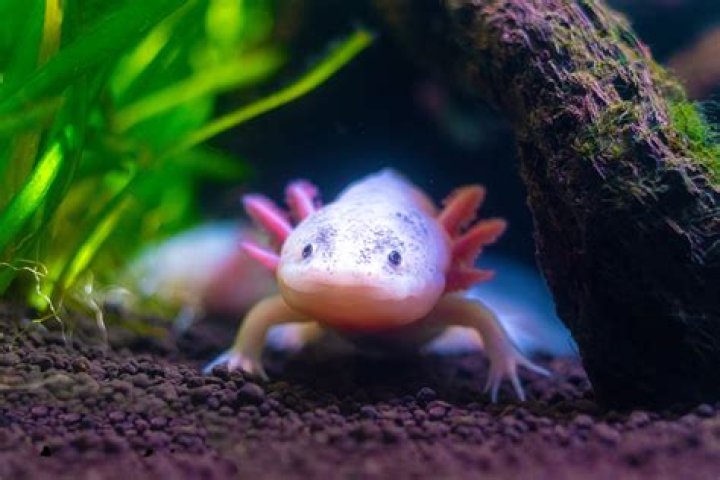
When it comes to unique aquatic creatures, axolotls have captured the hearts of pet enthusiasts worldwide. These fascinating salamanders are not only adorable but also possess remarkable regenerative abilities. Understanding the axolotls lifespan is essential for those who wish to provide the best care for these incredible creatures. In this article, we will delve into the factors that influence the longevity of axolotls and how you can ensure they live a healthy and fulfilling life.
Axolotls, also known as Mexican walking fish, are native to the lakes and waterways of Mexico. Their ability to regenerate lost limbs and other body parts has made them a subject of scientific interest. However, their lifespan is influenced by various factors, including genetics, environment, diet, and overall health. By understanding these factors, you can provide the best possible care for your axolotl, ensuring they live a long and healthy life.
Whether you're a first-time axolotl owner or an experienced enthusiast, this comprehensive guide will provide you with valuable insights into the axolotls lifespan. From habitat requirements to dietary needs, we'll cover everything you need to know to ensure your axolotl thrives in captivity. Let's dive in!
Introduction to Axolotls
Axolotls are a species of salamander native to Mexico, specifically the Xochimilco lake complex. They are famous for their neotenic traits, meaning they retain their larval features throughout their lives, including external gills and a permanently aquatic lifestyle. This unique characteristic makes them stand out in the world of amphibians.
One of the most remarkable features of axolotls is their ability to regenerate lost body parts, including limbs, spinal cord, heart, and even parts of the brain. This regenerative capability has made them a subject of extensive scientific research, particularly in the fields of biology and medicine.
Average Lifespan of Axolotls
Understanding the Typical Lifespan
The average axolotls lifespan in captivity is around 10 to 15 years. However, with proper care and ideal living conditions, some axolotls have been known to live up to 20 years. In the wild, their lifespan is generally shorter due to environmental challenges and predation.
- Axolotls in captivity: 10-15 years
- Axolotls in the wild: 5-10 years
Factors Affecting Lifespan
Environmental Conditions
Several factors influence the axolotls lifespan, with environmental conditions being one of the most critical. Maintaining a clean and stable aquatic environment is essential for their health and longevity.
Key environmental factors include:
- Water temperature: Axolotls thrive in water temperatures between 16-18°C (60-64°F).
- Water quality: Regular water changes and filtration are crucial to prevent the buildup of harmful substances.
- Tank size: A spacious tank ensures they have enough room to swim and explore.
Ideal Habitat for Axolotls
Creating the Perfect Home
Setting up an ideal habitat for axolotls involves careful consideration of tank size, substrate, and decorations. A well-designed tank promotes their well-being and extends their lifespan.
Consider the following tips:
- Use a tank with a capacity of at least 20 gallons for a single axolotl.
- Avoid gravel as a substrate, as axolotls may ingest it, leading to digestive issues.
- Provide hiding spots and plants to create a natural and enriching environment.
Diet and Nutrition
Nourishing Your Axolotl
A balanced diet is crucial for maintaining the health and longevity of axolotls. Their diet should consist of high-quality protein sources and essential nutrients.
Recommended food options include:
- Live or frozen bloodworms
- Brine shrimp
- Earthworms
- Commercial axolotl pellets
Common Health Issues
Recognizing Signs of Illness
Despite their resilience, axolotls can suffer from various health issues that may affect their lifespan. Being able to recognize the signs of illness is essential for timely intervention.
Common health problems include:
- Gill infections
- Constipation
- Fungal infections
- Parasitic infestations
Genetics and Longevity
The Role of Genetics
Genetics plays a significant role in determining the axolotls lifespan. Some individuals may naturally live longer due to their genetic makeup. Responsible breeding practices can help ensure that axolotls are healthy and have the potential for a longer life.
Consider the following:
- Choose axolotls from reputable breeders who prioritize health and genetic diversity.
- Avoid inbreeding, as it can lead to genetic defects and shorter lifespans.
Tips for Maximizing Lifespan
Best Practices for Longevity
To maximize the axolotls lifespan, it's important to follow best practices in care and maintenance. Here are some tips:
- Monitor water parameters regularly and make adjustments as needed.
- Feed a varied diet to ensure they receive all necessary nutrients.
- Provide a stress-free environment with minimal disturbances.
- Consult a veterinarian experienced in exotic pets if health issues arise.
Axolotls in the Wild
Challenges in the Natural Habitat
In the wild, axolotls face numerous challenges that can shorten their lifespan. Habitat destruction, pollution, and predation are significant threats to their survival. Conservation efforts are crucial to protect these unique creatures and ensure their continued existence in the wild.
According to the International Union for Conservation of Nature (IUCN), axolotls are critically endangered in the wild due to habitat loss and water pollution.
Conclusion and Call to Action
In conclusion, understanding the axolotls lifespan involves considering various factors, including genetics, environment, diet, and overall health. By providing optimal care and creating a suitable habitat, you can significantly enhance their longevity and well-being.
We encourage you to take action by:
- Sharing this article with fellow axolotl enthusiasts to spread awareness about their care.
- Leaving a comment below with your thoughts or questions about axolotls.
- Exploring other articles on our site for more information on exotic pets and their care.
Remember, your dedication to proper care can make a significant difference in the life of your axolotl. Together, we can ensure these remarkable creatures thrive both in captivity and in the wild.




