Understanding the average US female height is crucial for various sectors, including healthcare, fashion, and ergonomics. The physical dimensions of the population play a significant role in designing products and services tailored to meet their needs. In recent years, studies have shown that the height of women in the United States has been relatively stable, but regional and demographic differences exist. This article delves into the factors influencing height and provides insights into why this topic is essential.
Height is not merely a physical trait; it reflects the overall health and well-being of a population. By examining the average height of US females, we can gain insights into nutritional trends, genetic influences, and socioeconomic factors. This knowledge helps policymakers and researchers address inequalities and improve living standards.
This article will explore the average height of women in the United States, breaking down the data by age, ethnicity, and geographic location. We will also discuss the factors that contribute to height, including genetics, nutrition, and lifestyle. By the end of this article, you will have a comprehensive understanding of the average US female height and its implications for society.
Introduction to Average US Female Height
The average US female height has been a topic of interest for researchers and policymakers for decades. According to data from the Centers for Disease Control and Prevention (CDC), the average height for adult women in the United States is approximately 5 feet 4 inches (162.5 cm). This figure has remained relatively stable over the past few decades, although slight variations can be observed across different demographic groups.
Why Height Matters
Height is not just a physical characteristic but also an indicator of overall health and well-being. Factors such as genetics, nutrition, and socioeconomic status play a significant role in determining an individual's height. Understanding these factors can help address inequalities and improve public health outcomes.
Applications of Height Data
Data on average height is used in various industries, including healthcare, fashion, and ergonomics. For example, clothing manufacturers use height data to design products that fit a broader range of customers. Similarly, ergonomic designers consider height when creating furniture and workspaces that are comfortable and functional for most people.
Statistical Overview of US Female Height
The CDC's National Health and Nutrition Examination Survey (NHANES) provides comprehensive data on the average height of US females. The survey indicates that the average height for women aged 20 and above is 5 feet 4 inches (162.5 cm). However, there are variations based on age, ethnicity, and geographic location.
Age-Related Variations
Height tends to decrease slightly with age due to factors such as bone density loss and spinal compression. For example, women in their 60s may be slightly shorter than those in their 20s. This trend highlights the importance of maintaining good bone health throughout life.
Ethnicity and Height
Ethnicity plays a significant role in determining height. Studies show that women of Asian descent tend to be shorter than their Caucasian counterparts, while women of African descent are generally taller. These differences are largely attributed to genetic and environmental factors.
Genetic Factors Influencing Height
Genetics accounts for approximately 60-80% of an individual's height. Specific genes, such as those related to growth hormones and bone development, play a crucial role in determining how tall a person will be. However, it is important to note that genetic factors interact with environmental influences, such as nutrition and lifestyle, to shape an individual's final height.
Hereditary Traits
- Height is influenced by multiple genes, making it a polygenic trait.
- Children tend to inherit height traits from both parents, although environmental factors can modify these traits.
- Studies have identified specific genetic markers associated with height, providing insights into the biological mechanisms underlying growth.
Epigenetics and Height
Epigenetics refers to changes in gene expression that do not involve alterations to the underlying DNA sequence. Factors such as maternal nutrition during pregnancy and early childhood experiences can influence gene expression, potentially affecting height.
Nutritional Impact on Height
Nutrition plays a critical role in determining an individual's height, particularly during childhood and adolescence. Proper nutrition ensures that children receive the necessary nutrients for healthy growth and development. Key nutrients for height include protein, calcium, vitamin D, and iron.
Key Nutrients for Growth
- Protein: Essential for muscle and tissue development.
- Calcium: Crucial for bone health and growth.
- Vitamin D: Facilitates calcium absorption and promotes bone development.
- Iron: Prevents anemia, which can stunt growth.
Malnutrition and Stunted Growth
Malnutrition during critical growth periods can lead to stunted growth and shorter adult height. This issue is more prevalent in low-income communities, where access to nutritious food may be limited. Addressing food insecurity and improving nutrition education can help mitigate these challenges.
Demographic Differences in Height
Demographic factors such as ethnicity, geographic location, and socioeconomic status influence height. For example, women living in urban areas may have greater access to healthcare and nutrition, leading to taller average heights compared to those in rural areas.
Ethnicity and Geographic Location
- Women of African descent tend to be taller than those of Asian descent.
- Women living in coastal regions may have different height profiles compared to those in inland areas.
Socioeconomic Status
Socioeconomic status is closely linked to height. Higher-income households often provide better nutrition and healthcare, contributing to taller average heights. Conversely, individuals from lower-income households may experience stunted growth due to limited access to essential resources.
Health Implications of Height
Height is associated with various health outcomes, both positive and negative. For example, taller individuals may have a lower risk of certain diseases, such as heart disease, but a higher risk of others, such as cancer. Understanding these relationships can help individuals make informed decisions about their health.
Height and Disease Risk
- Taller women may have a lower risk of heart disease due to better cardiovascular function.
- Shorter women may have a higher risk of osteoporosis due to smaller bone mass.
Height and Longevity
Research suggests that height may be linked to longevity, although the relationship is complex. Taller individuals may have a slight advantage in terms of lifespan, but other factors such as genetics and lifestyle also play a significant role.
Height and Fashion Industry
The fashion industry often prioritizes taller models, as they are perceived to have a more "aspirational" body type. However, this trend has been challenged in recent years, with increasing calls for diversity and inclusivity in fashion. Designers are now creating clothing that caters to a wider range of body types, including shorter women.
Designing for All Heights
- Extended sizing options for shorter and taller women.
- Customizable clothing to accommodate varying body proportions.
Ergonomics and Height
Ergonomics focuses on designing products and environments that are comfortable and functional for users. Height is a critical factor in ergonomic design, as it affects how individuals interact with their surroundings. For example, furniture and workspaces are designed to accommodate a range of heights, ensuring comfort and productivity for all users.
Challenges in Ergonomic Design
- Designing products that cater to both shorter and taller individuals.
- Ensuring accessibility for individuals with mobility challenges.
Global Comparison of Female Height
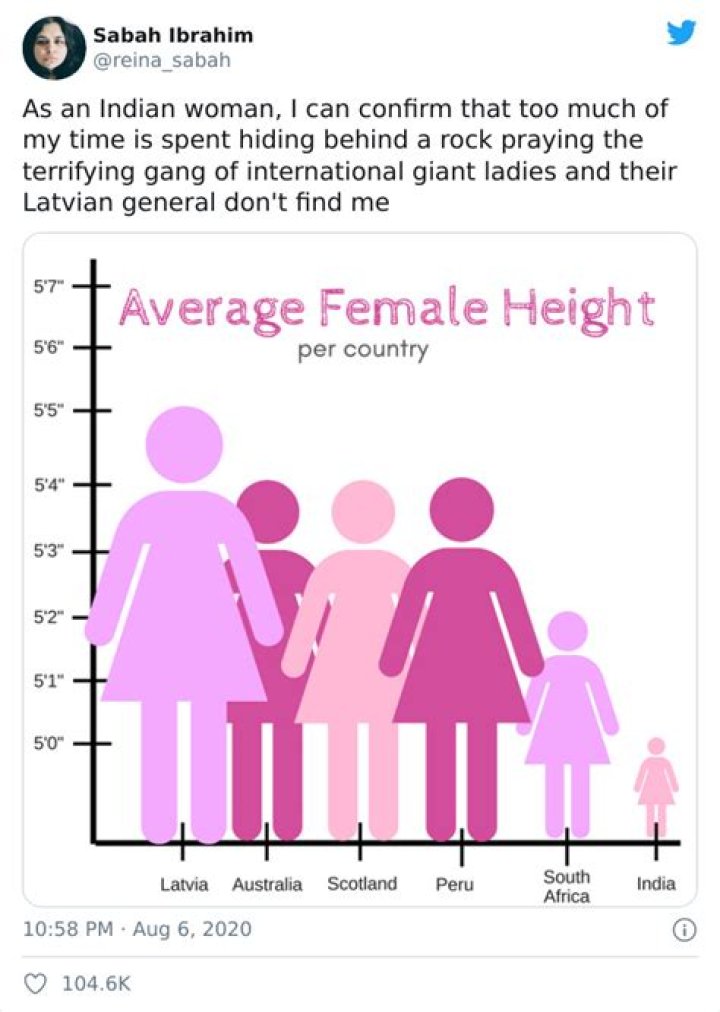
Comparing the average height of women across different countries provides insights into global health and living conditions. For example, women in the Netherlands are among the tallest in the world, while those in Southeast Asia tend to be shorter. These differences are influenced by genetics, nutrition, and socioeconomic factors.
Top Countries for Female Height
- Netherlands: Average height of 5 feet 7 inches (170 cm).
- Denmark: Average height of 5 feet 6 inches (168 cm).
- USA: Average height of 5 feet 4 inches (162.5 cm).
Factors Contributing to Height Differences
Global height differences are influenced by a combination of genetic, environmental, and socioeconomic factors. Countries with strong public health systems and high standards of living tend to have taller populations.
Future Trends in Height
While the average height of US females has remained relatively stable in recent years, future trends may be influenced by changes in nutrition, lifestyle, and genetics. Advances in healthcare and technology may also play a role in shaping height trends in the coming decades.
Predictions for Future Height Trends
- Improved nutrition may lead to slight increases in average height.
- Genetic engineering and personalized medicine may allow individuals to optimize their growth potential.
Challenges in Predicting Height Trends
Predicting future height trends is challenging due to the complex interplay of genetic and environmental factors. However, ongoing research and advancements in technology provide hope for a better understanding of height and its implications for health and society.
Conclusion
The average US female height is approximately 5 feet 4 inches (162.5 cm), with variations based on age, ethnicity, and geographic location. Factors such as genetics, nutrition, and socioeconomic status play a significant role in determining height. Understanding these factors can help address inequalities and improve public health outcomes.
We invite you to share your thoughts and experiences in the comments section below. Additionally, feel free to explore other articles on our website for more insights into health, lifestyle, and wellness. Together, we can promote a healthier and more inclusive society.



