The average height of women varies significantly across the globe, influenced by genetics, nutrition, and lifestyle factors. Understanding these variations can provide valuable insights into global health trends and societal development. Whether you're a researcher, health enthusiast, or simply curious about human biology, this article dives deep into the topic of average height for women worldwide.
Height is more than just a physical attribute; it reflects the overall well-being of a population. In recent years, there has been increasing interest in studying height trends due to their correlation with socioeconomic factors, health conditions, and genetic predispositions. This article explores the average height of women globally, shedding light on regional differences and the factors that contribute to these variations.
By the end of this article, you will gain a comprehensive understanding of the average height of women, supported by data-driven insights and expert analysis. Let’s delve into the fascinating world of human height and its implications.
Global Trends in Average Height
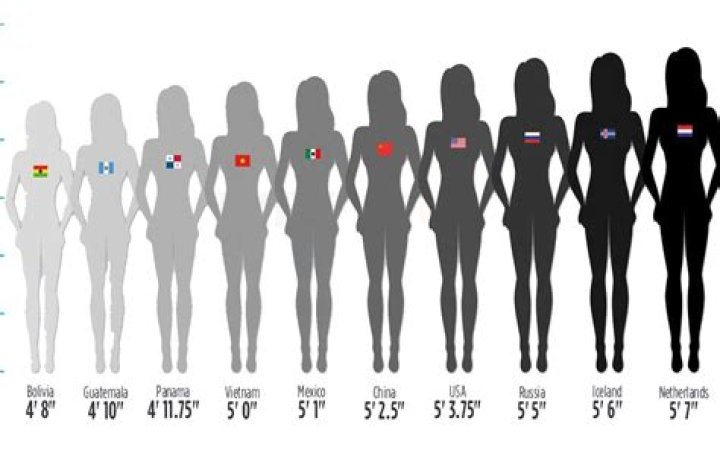
The average height of women varies widely depending on geographic location, with some regions reporting significantly taller populations than others. According to the NCD Risk Factor Collaboration (NCD-RisC), a global study published in eLife, the tallest women on average are found in the Netherlands, where the average height is approximately 170 cm (5'7"). In contrast, women in countries like Guatemala and Nepal have an average height of around 150 cm (4'11").
These disparities highlight the importance of understanding the underlying factors that contribute to height differences. While genetics play a crucial role, environmental and socioeconomic factors also significantly impact height development. By examining global trends, we can better understand how these variables interact to shape the average height of women worldwide.
Key Findings in Global Height Studies
- Women in Northern European countries tend to be taller on average due to a combination of genetic predisposition and high-quality nutrition.
- Sub-Saharan African countries often report shorter average heights, which may be attributed to nutritional deficiencies and socioeconomic challenges.
- Asian countries have shown a steady increase in average height over the past few decades, reflecting improvements in healthcare and living standards.
Biological Factors Affecting Height
Height is a polygenic trait, meaning it is influenced by multiple genes. Research conducted by the journal Nature Genetics indicates that approximately 80% of height variation can be attributed to genetic factors. However, the remaining 20% is shaped by environmental influences such as nutrition, health, and lifestyle choices.
Biological factors such as hormonal balance, specifically growth hormone (GH) and insulin-like growth factor 1 (IGF-1), play a critical role in determining height. Disorders affecting these hormones, such as growth hormone deficiency or gigantism, can lead to significant deviations from the average height.
Hormonal Influence on Height
- Growth hormone deficiency during childhood can result in stunted growth.
- Excessive production of growth hormone may lead to conditions like acromegaly, causing abnormally tall stature.
- Thyroid hormones also contribute to height regulation, with deficiencies potentially leading to shorter stature.
The Impact of Nutrition on Height
Nutrition is one of the most significant environmental factors affecting height development. Adequate intake of essential nutrients, particularly during childhood and adolescence, is crucial for achieving optimal height potential. Malnutrition, especially in early childhood, can have long-lasting effects on growth and development.
Studies published in The Lancet emphasize the importance of micronutrients such as calcium, vitamin D, and protein in promoting bone growth and overall height development. Conversely, deficiencies in these nutrients can hinder growth and lead to shorter stature.
Essential Nutrients for Height Development
- Calcium: Essential for bone health and growth.
- Vitamin D: Facilitates calcium absorption and promotes bone development.
- Protein: Necessary for tissue growth and repair.
Genetic Heritability and Height
Genetics plays a dominant role in determining height, with heritability estimates ranging from 60% to 80%. Twin studies have consistently shown that identical twins, who share 100% of their DNA, exhibit very similar heights, even when raised in different environments. This highlights the strong genetic component of height.
However, it’s important to note that while genetics set the potential for height, environmental factors can either enhance or limit this potential. For example, a person with a genetic predisposition for tall stature may not reach their full height potential if they experience malnutrition or chronic illness during critical growth periods.
Regional Differences in Average Height
Regional differences in average height are often a reflection of the interplay between genetic, environmental, and socioeconomic factors. Countries with high standards of living, access to quality healthcare, and nutritious diets tend to have taller populations. Conversely, regions affected by poverty, malnutrition, and limited healthcare resources often report shorter average heights.
Data from the World Health Organization (WHO) reveals that women in developed nations like the Netherlands, Denmark, and Sweden have some of the highest average heights globally. In contrast, countries in sub-Saharan Africa and South Asia generally report lower average heights due to persistent challenges in nutrition and healthcare.
Regional Height Comparisons
- Netherlands: Average height for women is approximately 170 cm (5'7").
- Guatemala: Average height for women is around 150 cm (4'11").
- Japan: Average height for women is approximately 160 cm (5'3").
Correlation Between Height and Health
Height is often used as an indicator of overall health and well-being. Studies have shown correlations between height and various health outcomes, including cardiovascular disease, diabetes, and even cognitive function. Taller individuals tend to have a lower risk of certain conditions, such as heart disease, while shorter individuals may face a higher risk of developing these ailments.
However, it’s important to note that height is not a direct determinant of health. While taller individuals may have certain advantages, shorter individuals can also lead healthy and fulfilling lives with proper nutrition and healthcare.
Health Risks Associated with Height
- Taller individuals may have a higher risk of certain cancers, such as breast and colorectal cancer.
- Shorter individuals may face a higher risk of cardiovascular disease and diabetes.
- Both height extremes can impact quality of life, with taller individuals sometimes facing challenges in finding appropriately sized clothing and furniture.
Lifestyle Effects on Height Development
Lifestyle factors, including physical activity, sleep patterns, and stress levels, can also influence height development. Regular physical activity, particularly weight-bearing exercises, can promote bone growth and development during critical growth periods. Adequate sleep is equally important, as growth hormone is primarily released during deep sleep cycles.
Chronic stress, on the other hand, can negatively impact growth by disrupting hormonal balance and nutrient absorption. Ensuring a balanced lifestyle that prioritizes physical activity, rest, and stress management can help optimize height potential.
A Historical Perspective on Height Trends
Height trends have evolved significantly over the past centuries, reflecting changes in global health, nutrition, and living conditions. Historical data shows that average heights have increased steadily in many parts of the world, particularly in developed nations. For example, the average height of women in the United States increased by approximately 3 inches between the early 20th century and the present day.
This increase can be attributed to improvements in healthcare, nutrition, and living standards. However, some regions continue to face challenges in achieving optimal height potential due to persistent socioeconomic disparities.
Future Projections of Height Trends
Looking ahead, future projections suggest that global height trends will continue to evolve, driven by advancements in healthcare, nutrition, and technology. As developing nations continue to improve their standards of living, we can expect to see gradual increases in average height in these regions.
However, challenges such as climate change, food insecurity, and economic inequality may pose obstacles to achieving optimal height potential for all populations. Addressing these challenges through global cooperation and targeted interventions will be crucial in ensuring equitable height development for future generations.
Conclusion: What Does the Future Hold?
In conclusion, the average height of women is influenced by a complex interplay of genetic, environmental, and socioeconomic factors. Understanding these factors can provide valuable insights into global health trends and societal development. By addressing challenges such as malnutrition, poverty, and inequality, we can work towards ensuring that all individuals have the opportunity to reach their full height potential.
We invite you to share your thoughts and insights in the comments below. Have you noticed any interesting height trends in your region? What steps do you think are necessary to address the challenges facing global height development? Don’t forget to explore our other articles for more fascinating insights into health, science, and human biology.
References:
- NCD Risk Factor Collaboration (NCD-RisC). "A century of trends in adult human height." eLife, 2016.
- World Health Organization (WHO). "Global Nutrition Report." WHO, 2021.
- Nature Genetics. "Genetic studies reveal the polygenic nature of height." Nature Genetics, 2018.
- The Lancet. "Nutrition and growth: A global perspective." The Lancet, 2019.



