Understanding the average height for adult women is more than just a curiosity; it's a window into global health, genetics, and societal norms. From a scientific perspective, height can be a reflection of nutrition, lifestyle, and even economic conditions. Whether you're a researcher, student, or simply someone interested in human biology, this topic offers fascinating insights.
Height is one of the most studied physical traits in human populations. The average height for adult women varies significantly across the globe due to differences in genetics, environment, and lifestyle. In this article, we will explore the factors that influence height, regional variations, and how societal perceptions shape our understanding of height.
This guide aims to provide a comprehensive overview of the average height for adult women worldwide, backed by scientific research and credible data. By the end of this article, you'll have a deeper understanding of why height matters and how it reflects broader health and social issues.
Global Trends in Women's Height
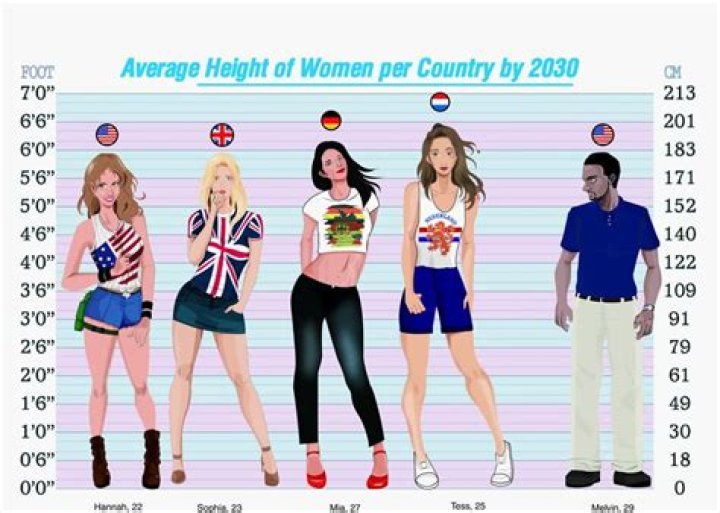
The average height for adult women has been a subject of interest for decades. According to a study published in eLife Sciences, the global average height for women is approximately 164.5 cm (5'4.5"). However, this figure varies widely depending on the region. For instance, women in the Netherlands, who are known to be the tallest globally, have an average height of 170 cm (5'7"), while women in Guatemala, one of the shortest populations, average around 150 cm (4'11").
Global trends suggest that height has been increasing over the past century due to improvements in healthcare, nutrition, and living conditions. This trend is particularly noticeable in developing countries where economic growth has led to better access to essential resources.
However, the rate of height increase has slowed in some developed nations, indicating that genetic limits might be nearing their maximum potential. Understanding these trends requires examining both genetic and environmental factors.
Key Findings from Global Studies
- The average height for women in Europe is among the highest globally.
- Asian countries like Japan and South Korea have seen significant increases in height over the past 50 years.
- Sub-Saharan African nations still lag behind in terms of average height, primarily due to ongoing challenges in nutrition and healthcare.
Genetic Factors Influencing Height
Genetics plays a crucial role in determining the average height for adult women. Research indicates that approximately 60-80% of height variation is attributed to genetic factors. Specific genes, such as those involved in growth hormone production and bone development, significantly impact an individual's height potential.
One of the most well-studied genetic components is the HMGA2 gene, which has been linked to height differences across populations. Variations in this gene can result in differences of up to 1 cm in height. Additionally, other genetic factors, such as those related to metabolism and hormonal regulation, also contribute to height differences.
While genetics sets the potential for height, environmental factors ultimately determine how much of this potential is realized. This interplay between genetics and environment is what makes the study of height so complex and fascinating.
How Genetic Studies Help
- Genetic studies help identify populations with specific height-related traits.
- They provide insights into evolutionary adaptations to different environments.
- Genetic research can inform public health policies aimed at improving nutrition and healthcare.
Environmental Factors and Nutrition
Beyond genetics, environmental factors such as nutrition, healthcare, and socioeconomic status significantly influence the average height for adult women. Proper nutrition during childhood and adolescence is critical for achieving one's full height potential. Deficiencies in essential nutrients, such as protein, calcium, and vitamin D, can stunt growth and lead to shorter stature.
A study by the World Health Organization (WHO) highlights the importance of maternal health and nutrition during pregnancy. Mothers who receive adequate nutrition and healthcare are more likely to give birth to babies with higher growth potential. Similarly, children who grow up in environments with access to clean water, sanitation, and healthcare tend to reach greater heights.
Socioeconomic factors also play a role. Women from lower-income households may experience stunted growth due to limited access to nutritious food and healthcare. Addressing these disparities is essential for improving overall health and height outcomes.
Nutritional Requirements for Optimal Growth
- Protein: Essential for muscle and tissue development.
- Calcium: Crucial for bone growth and strength.
- Vitamin D: Necessary for calcium absorption and bone health.
Regional Differences in Women's Height
Regional differences in the average height for adult women are evident when comparing data from various parts of the world. These differences are often attributed to a combination of genetic predispositions and environmental factors. For example, women in Northern Europe tend to be taller due to a combination of favorable genetics and high standards of living.
In contrast, women in South Asia and Sub-Saharan Africa generally have shorter stature due to historical challenges in nutrition and healthcare. However, recent improvements in these regions have led to gradual increases in average height.
Urbanization also plays a role in regional height differences. Women living in urban areas often have better access to healthcare and education, which can positively impact their growth and development.
Comparing Regional Heights
- Europe: Women in Northern Europe are among the tallest globally.
- Asia: Height has increased significantly in East Asia but remains lower in South Asia.
- Africa: Sub-Saharan African women face challenges in achieving optimal height due to ongoing nutritional issues.
A Historical Perspective on Height
The average height for adult women has changed significantly over the centuries. Historical data shows that human height fluctuated with economic and environmental conditions. For instance, during periods of war or famine, height often declined due to inadequate nutrition and healthcare.
In the 20th century, improvements in public health, sanitation, and nutrition led to a steady increase in height across many populations. This trend is particularly noticeable in developed countries where economic growth has translated into better living conditions.
Understanding the historical context of height provides valuable insights into how societal changes impact physical development. It also highlights the importance of maintaining progress in healthcare and nutrition to ensure continued improvements in height and overall health.
Key Historical Trends
- Height declined during periods of economic hardship, such as the Great Depression.
- Post-war economic growth in Europe and North America led to significant increases in height.
- Developing nations have seen gradual improvements in height over the past few decades.
Health Implications of Height
While height itself is not a direct indicator of health, it can be a reflection of overall well-being. Studies have shown correlations between height and various health outcomes. For example, taller women tend to have lower risks of certain cardiovascular diseases, while shorter women may face higher risks of complications during pregnancy.
Height can also influence susceptibility to certain cancers and metabolic disorders. However, it's important to note that these associations are complex and influenced by many factors beyond height alone.
Public health policies aimed at improving nutrition and healthcare can have long-term benefits in terms of both height and overall health. By addressing disparities in access to essential resources, we can help ensure that everyone has the opportunity to reach their full potential.
Height and Health Outcomes
- Taller individuals may have lower risks of heart disease.
- Shorter individuals may face higher risks of complications during pregnancy.
- Height is not a direct indicator of health but can reflect broader health trends.
Societal Perception of Height
Societal perceptions of height can significantly impact self-esteem and social interactions. In many cultures, taller women are often viewed as more attractive or successful, while shorter women may face stereotypes or biases. These perceptions can influence everything from career opportunities to personal relationships.
Media representations of height further reinforce these stereotypes. Movies, television shows, and advertisements often feature taller women as the ideal standard of beauty. While this trend is slowly changing, it remains a challenge for shorter women who may feel pressure to conform to unrealistic standards.
Encouraging diversity in media representation and promoting acceptance of all body types can help reduce the negative impact of societal perceptions of height. By celebrating individuality and focusing on inner qualities rather than physical appearance, we can create a more inclusive and supportive society.
Breaking Stereotypes
- Encourage diverse representation in media.
- Promote acceptance of all body types and heights.
- Focus on inner qualities rather than physical appearance.
Factors Affecting Height in Women
Understanding the factors that influence height is essential for addressing disparities and promoting optimal growth. Genetics, nutrition, healthcare, and socioeconomic status all play critical roles in determining the average height for adult women. By addressing these factors, we can help ensure that everyone has the opportunity to reach their full potential.
Improving access to essential resources, such as nutritious food, clean water, and healthcare, is crucial for promoting optimal growth and development. Public health policies aimed at reducing disparities in these areas can have long-term benefits for both height and overall health.
Education and awareness are also important tools in promoting optimal growth. By educating parents and caregivers about the importance of proper nutrition and healthcare, we can help ensure that children grow up healthy and strong.
Key Factors to Consider
- Genetics: Sets the potential for height.
- Nutrition: Determines how much of this potential is realized.
- Healthcare: Provides essential support for growth and development.
Future Predictions for Women's Height
Looking ahead, predictions suggest that the average height for adult women will continue to increase, albeit at a slower rate. Advances in healthcare and nutrition will likely play a key role in this trend. However, genetic limits may eventually cap the maximum potential for height in certain populations.
As global disparities in nutrition and healthcare continue to narrow, we may see more uniformity in height across different regions. This trend could lead to a more equitable distribution of health and well-being worldwide.
Future research will focus on understanding the complex interplay between genetic and environmental factors that influence height. By gaining a deeper understanding of these factors, we can develop targeted interventions to promote optimal growth and development for all individuals.
What to Expect in the Future
- Height will continue to increase, but at a slower rate.
- Global disparities in height may narrow as nutrition and healthcare improve.
- Research will focus on understanding the genetic and environmental factors influencing height.
Conclusion and Call to Action
In conclusion, the average height for adult women is influenced by a complex interplay of genetic, environmental, and societal factors. Understanding these factors is essential for addressing disparities and promoting optimal growth and development. By improving access to essential resources and promoting awareness of the importance of proper nutrition and healthcare, we can help ensure that everyone has the opportunity to reach their full potential.
We invite you to share your thoughts and experiences in the comments below. Are you surprised by any of the findings discussed in this article? What steps do you think we can take to promote greater equity in height and health outcomes worldwide? Don't forget to explore our other articles for more insights into human biology and global health trends.




