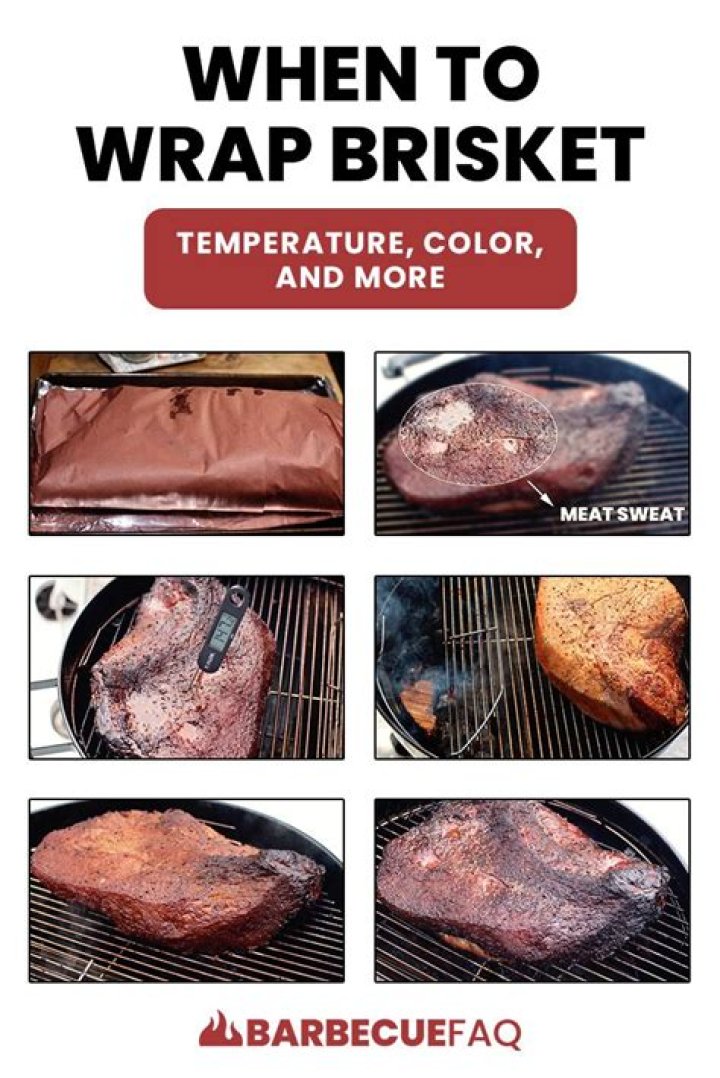
Brisket is one of the most beloved cuts of meat in the barbecue world, but mastering the art of cooking it can be challenging. One critical decision that every pitmaster must make is determining the right temperature to wrap a brisket. Wrapping at the correct temperature ensures tender, juicy meat with maximum flavor. In this guide, we'll explore everything you need to know about wrapping brisket, including the ideal temperature, techniques, and tips for success.
Whether you're a seasoned pitmaster or a barbecue enthusiast just starting out, understanding the nuances of wrapping brisket is essential. Wrapping too early or too late can significantly impact the texture and taste of your brisket, so it's crucial to get it right. This guide will walk you through the process step by step, ensuring you achieve the perfect brisket every time.
From choosing the right wrapping material to understanding the "stall" phase, we'll cover all aspects of the cooking process. By the end of this article, you'll have the knowledge and confidence to cook brisket like a professional, impressing your family and friends with your culinary skills.
Understanding the Importance of Wrapping Brisket
Wrapping brisket is a crucial step in the cooking process that can make or break the final result. When cooked low and slow, brisket undergoes a phase known as the "stall," during which the internal temperature of the meat plateaus. This stall occurs because moisture is evaporating from the surface of the meat, effectively cooling it down. Wrapping the brisket helps to bypass this stall, allowing the internal temperature to continue rising steadily.
What Happens During the Stall?
The stall is a natural part of the cooking process where the brisket's temperature remains constant for an extended period. This phase can last anywhere from 1 to 4 hours, depending on the size of the brisket and the cooking conditions. During the stall, the surface moisture of the brisket evaporates, causing the cooking process to slow down. Wrapping the brisket in butcher paper or aluminum foil traps the moisture, creating a steamy environment that accelerates cooking and helps tenderize the meat.
At What Temperature Should You Wrap a Brisket?
The ideal temperature to wrap a brisket is between 150°F and 165°F (65°C to 74°C). Wrapping within this temperature range ensures that the brisket bypasses the stall while maintaining its juiciness and flavor. If you wrap too early, the brisket may become overly tender and lose some of its texture. Conversely, wrapping too late can lead to a dry, tough brisket.
Why is 150°F to 165°F the Sweet Spot?
Wrapping at this temperature range provides the perfect balance between tenderness and juiciness. At 150°F, the connective tissues in the brisket begin to break down, and the collagen starts to convert into gelatin. By wrapping at this stage, you trap the moisture and prevent it from escaping, ensuring the brisket remains succulent. Additionally, wrapping within this temperature range allows the brisket to continue cooking efficiently without overcooking.
Choosing the Right Wrapping Material
When it comes to wrapping brisket, you have two main options: butcher paper and aluminum foil. Each material has its own advantages and disadvantages, so choosing the right one depends on your desired outcome.
Butcher Paper
- Butcher paper allows some moisture to escape while still trapping enough steam to tenderize the brisket.
- This method is often referred to as the "Texas Crutch" and results in a crispier bark compared to foil.
- Butcher paper is ideal if you want to maintain the bark's texture while ensuring the brisket remains juicy.
Aluminum Foil
- Aluminum foil completely seals in moisture, creating a steamy environment that accelerates cooking.
- This method, known as the "Tennessee Crutch," is perfect for achieving a very tender brisket with minimal bark.
- However, using foil can result in a softer bark, which may not be desirable for some pitmasters.
Techniques for Wrapping Brisket
Once you've decided on the wrapping material, it's important to use the correct technique to ensure the best results. Proper wrapping prevents the brisket from drying out and ensures even cooking.
Step-by-Step Wrapping Process
- Preheat your smoker or grill to the desired cooking temperature (usually around 225°F to 250°F).
- Monitor the internal temperature of the brisket using a reliable meat thermometer.
- Once the brisket reaches the ideal wrapping temperature (150°F to 165°F), carefully remove it from the smoker.
- Wrap the brisket securely in your chosen material, ensuring no air can escape.
- Return the wrapped brisket to the smoker and continue cooking until it reaches the desired doneness (usually around 200°F to 205°F).
Factors That Influence Wrapping Temperature
Several factors can influence the ideal temperature for wrapping brisket, including the size and thickness of the cut, the cooking method, and environmental conditions. Understanding these factors can help you make informed decisions and achieve consistent results.
Size and Thickness of the Brisket
Larger briskets may require wrapping at a slightly higher temperature due to their increased cooking time. Conversely, smaller briskets may benefit from wrapping at the lower end of the temperature range to prevent overcooking.
Cooking Method
Different cooking methods, such as smoking, grilling, or oven cooking, can affect the wrapping temperature. Smoking is the most common method for brisket and typically requires wrapping at the standard temperature range. However, if you're using a different method, you may need to adjust the wrapping temperature accordingly.
Common Mistakes to Avoid When Wrapping Brisket
While wrapping brisket may seem straightforward, there are several common mistakes that can negatively impact the final result. Avoiding these pitfalls will help you achieve a perfectly cooked brisket every time.
Wrapping Too Early
- Wrapping the brisket before it reaches the ideal temperature can lead to an overly tender texture and a loss of flavor.
- Be patient and wait until the brisket reaches the recommended wrapping temperature before sealing it.
Wrapping Too Late
- Delaying the wrapping process can result in a dry, tough brisket due to excessive moisture loss during the stall.
- Monitor the internal temperature closely and wrap the brisket as soon as it reaches the ideal range.
How to Check the Internal Temperature of Brisket
Accurate temperature monitoring is essential for determining the right time to wrap your brisket. Using a high-quality meat thermometer is the best way to ensure precise readings and achieve the desired results.
Tips for Using a Meat Thermometer
- Insert the thermometer probe into the thickest part of the brisket, avoiding any bones or fat.
- Take multiple readings from different areas of the brisket to ensure an accurate average temperature.
- Regularly check the temperature throughout the cooking process to stay informed about the brisket's progress.
Resting and Slicing Your Brisket
Once your brisket has reached the desired internal temperature, it's important to allow it to rest before slicing. Resting allows the juices to redistribute throughout the meat, ensuring maximum tenderness and flavor.
How Long Should You Let Brisket Rest?
Allow the brisket to rest for at least 30 minutes to an hour before slicing. During this time, the juices will settle, and the meat will become easier to handle. Once rested, slice the brisket against the grain for the best texture and presentation.
Conclusion
In conclusion, wrapping brisket at the right temperature is a critical step in the cooking process that can significantly impact the final result. By wrapping your brisket between 150°F and 165°F, you can bypass the stall, maintain juiciness, and achieve tender, flavorful meat. Remember to choose the right wrapping material, use proper techniques, and avoid common mistakes to ensure success.
We encourage you to share your thoughts and experiences in the comments section below. Have you tried wrapping brisket at different temperatures? What wrapping material do you prefer? Your feedback helps us improve and provides valuable insights for other readers. Don't forget to explore our other articles for more tips and tricks on perfecting your barbecue skills!




