Many dog owners wonder if olive oil is safe for their furry friends. As a staple in human diets, olive oil is often praised for its health benefits, but when it comes to dogs, the situation is not as straightforward. While some claim it can improve coat health and skin conditions, others raise concerns about potential allergies or adverse reactions. In this article, we'll explore whether dogs can be allergic to olive oil and provide you with the information you need to make an informed decision.
Olive oil is widely regarded as a healthy fat for humans, but its effects on dogs are less understood. It's important to note that while some dogs may tolerate small amounts of olive oil, others may experience adverse reactions or even allergies. Understanding the risks and benefits is crucial for responsible pet ownership.
This article aims to address common questions about olive oil and its impact on dogs. We'll cover topics such as dog allergies, dietary considerations, and expert advice to help you determine whether olive oil is suitable for your pet. By the end of this article, you'll have a clearer understanding of how to keep your dog safe and healthy.
Understanding Dog Allergies
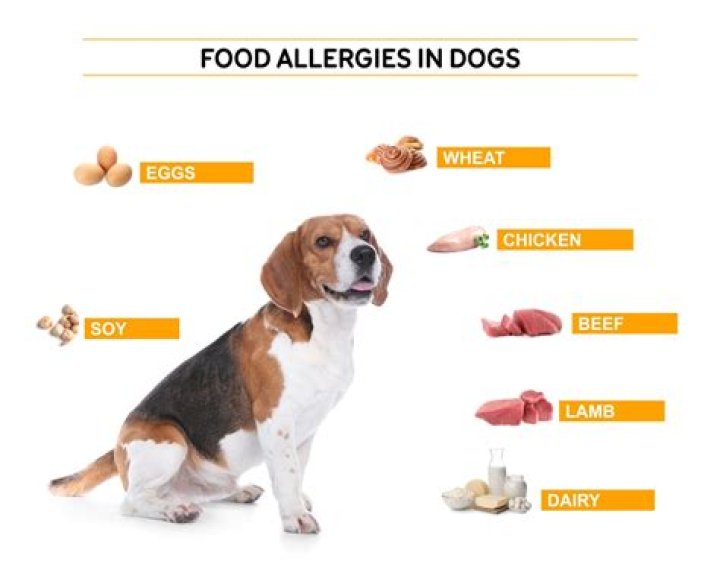
Dog allergies can manifest in various ways, including skin irritations, gastrointestinal issues, and respiratory problems. While food allergies are less common than environmental allergies, they can still occur. Olive oil, though not a typical allergen, may cause adverse reactions in some dogs due to its fat content or other components.
Food allergies in dogs are often caused by proteins, but fats like olive oil can also trigger reactions in sensitive individuals. It's important to monitor your dog closely when introducing new foods to identify any potential allergies or intolerances.
Signs of Food Allergies in Dogs
- Itchy or inflamed skin
- Chronic ear infections
- Recurrent gastrointestinal issues
- Hair loss or skin lesions
- Vomiting or diarrhea
Are Dogs Allergic to Olive Oil?
While olive oil is not a common allergen for dogs, some animals may experience adverse reactions after consuming it. Allergies occur when the immune system overreacts to a substance, leading to symptoms such as itching, swelling, or digestive upset. Although rare, olive oil allergies in dogs are possible and should not be dismissed.
It's worth noting that olive oil is a plant-based fat, which means it is less likely to cause allergic reactions compared to animal-based fats. However, individual sensitivities vary, and some dogs may still react negatively to its consumption.
What Happens if a Dog Eats Olive Oil?
When a dog consumes olive oil, the effects depend on the amount ingested and the dog's individual tolerance. In small quantities, olive oil is generally well-tolerated by most dogs and may even provide some health benefits. However, excessive consumption can lead to gastrointestinal upset, diarrhea, or vomiting.
Potential Reactions to Olive Oil in Dogs
- Mild digestive upset
- Vomiting
- Diarrhea
- Itchy skin
- Swelling or hives (in rare cases)
Common Symptoms of Olive Oil Allergies in Dogs
If your dog is allergic to olive oil, you may notice several symptoms, including skin irritation, gastrointestinal distress, and respiratory issues. These symptoms can vary in severity and may appear immediately or develop over time.
Key Symptoms to Watch For:
- Intense scratching or biting
- Red, inflamed skin
- Hair loss or bald patches
- Chronic ear infections
- Vomiting or diarrhea
Consulting a veterinarian is essential if you suspect your dog has an olive oil allergy. They can perform diagnostic tests to confirm the presence of an allergy and recommend appropriate treatments.
Is Olive Oil Safe for Dogs?
Olive oil is generally considered safe for dogs in small amounts, but moderation is key. When used sparingly, it can provide some health benefits, such as improving coat shine and supporting skin health. However, excessive consumption can lead to weight gain, pancreatitis, or other health issues.
Factors to Consider:
- Your dog's age, breed, and size
- Existing health conditions
- Individual dietary needs
Always consult with your veterinarian before adding olive oil or any new food to your dog's diet. They can provide personalized recommendations based on your dog's unique needs.
Health Benefits of Olive Oil for Dogs
While olive oil is not a staple in canine diets, it does offer some potential health benefits when used appropriately. Here are a few reasons why olive oil might be beneficial for your dog:
Top Health Benefits:
- Improves coat shine and skin health
- Supports joint health due to anti-inflammatory properties
- Boosts immune function with antioxidants
However, these benefits should be weighed against potential risks, especially if your dog has a sensitive stomach or pre-existing health conditions.
Potential Risks of Olive Oil for Dogs
Despite its potential benefits, olive oil poses certain risks when used improperly. Overconsumption can lead to weight gain, pancreatitis, or gastrointestinal upset. Additionally, dogs with existing health conditions, such as obesity or diabetes, may not tolerate olive oil well.
Potential Risks to Be Aware Of:
- Weight gain
- Pancreatitis
- Gastrointestinal upset
- Allergic reactions
It's crucial to introduce olive oil gradually and monitor your dog closely for any adverse reactions. If you notice any concerning symptoms, discontinue use and consult your veterinarian.
How to Introduce Olive Oil to Your Dog's Diet
If you decide to introduce olive oil to your dog's diet, it's important to do so cautiously. Start with small amounts and gradually increase as tolerated. A general guideline is to offer no more than 1 teaspoon per 20 pounds of body weight per day.
Steps to Safely Introduce Olive Oil:
- Choose high-quality, extra virgin olive oil
- Mix a small amount with your dog's food
- Monitor for any adverse reactions
- Adjust the amount based on your dog's response
Remember, every dog is different, and what works for one may not work for another. Always prioritize your dog's health and well-being when making dietary changes.
When to Consult a Veterinarian
If you suspect your dog has an olive oil allergy or experiences adverse reactions after consuming it, consult your veterinarian immediately. They can perform diagnostic tests, such as blood work or elimination diets, to identify the cause of the reaction.
Signs to Seek Veterinary Attention:
- Persistent vomiting or diarrhea
- Severe skin irritation
- Swelling or difficulty breathing
- Loss of appetite
Your veterinarian can also provide guidance on managing food allergies and recommend alternative options for improving your dog's coat and skin health.
Alternatives to Olive Oil for Dogs
If you're concerned about olive oil or want to explore other options for improving your dog's coat and skin health, several alternatives are available. These include:
Popular Alternatives:
- Fish oil: Rich in omega-3 fatty acids
- Coconut oil: Supports skin and digestive health
- Flaxseed oil: Plant-based source of omega-3s
- Avocado oil: Provides healthy fats and antioxidants
Each of these alternatives offers unique benefits, so it's important to choose one that aligns with your dog's dietary needs and health goals.
Final Thoughts
While olive oil is not a common allergen for dogs, it's essential to approach its use with caution. Understanding your dog's individual needs and monitoring for adverse reactions is crucial for ensuring their safety and well-being. By following the guidelines outlined in this article, you can make informed decisions about incorporating olive oil or alternative supplements into your dog's diet.
We encourage you to share your thoughts and experiences in the comments below. Have you tried olive oil for your dog? What were the results? Additionally, feel free to explore other articles on our site for more tips and advice on pet care. Together, we can help ensure a healthier, happier life for our furry friends!




