Understanding the difference between adduction and abduction is crucial for anyone interested in anatomy, physical therapy, or exercise science. These terms describe specific movements of the body that play a significant role in human mobility and function. In this article, we will delve into the nuances of these movements, their applications, and why they matter to your daily life.
Whether you're a fitness enthusiast, a physical therapist, or simply someone curious about how the body works, learning about adduction vs abduction can enhance your understanding of movement mechanics. These concepts are fundamental to biomechanics and are integral to diagnosing and treating movement-related disorders.
By the end of this article, you will have a comprehensive grasp of these terms, their distinctions, and their relevance in various fields. Let's begin our exploration of adduction vs abduction and uncover the fascinating world of human movement.
Table of Contents
- Introduction to Adduction and Abduction
- Defining Adduction and Abduction
- Anatomy of Movement
- Examples of Adduction and Abduction
- Importance in Daily Life
- Exercises for Adduction and Abduction
- Common Misconceptions
- Applications in Physical Therapy
- Statistics and Studies
- Conclusion
Introduction to Adduction and Abduction
Adduction and abduction are two fundamental movements that occur around the body's joints. They are essential for understanding how the body moves and functions. These movements are part of the planes of motion in human anatomy and are critical for various activities, from walking to playing sports.
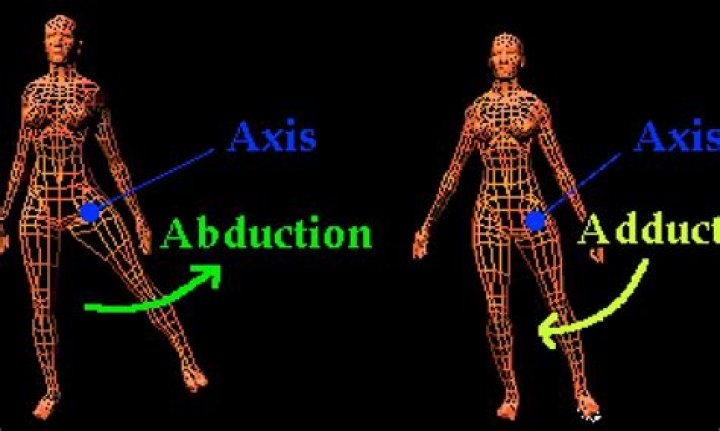
In simple terms, adduction refers to moving a body part toward the midline of the body, while abduction involves moving it away from the midline. These definitions, though straightforward, have profound implications in fields such as physical therapy, exercise science, and sports medicine.
Understanding these terms is not only beneficial for professionals but also for individuals looking to improve their physical health and fitness. By grasping the concept of adduction vs abduction, you can better comprehend the mechanics behind your body's movements and how they contribute to overall functionality.
Defining Adduction and Abduction
What is Adduction?
Adduction is the movement of a body part toward the midline of the body. This action is often seen in the limbs, where muscles contract to bring the arms or legs closer to the center of the body. For example, when you bring your arm down to your side after lifting it, you are performing an adductive motion.
What is Abduction?
Abduction, on the other hand, is the movement of a body part away from the midline. Imagine raising your arm out to the side; this is an example of an abductive motion. Both movements occur in the coronal plane, one of the three planes of motion in human anatomy.
The distinction between adduction vs abduction lies in the direction of movement relative to the body's midline. These movements are controlled by specific muscle groups and are essential for maintaining balance, coordination, and overall mobility.
Anatomy of Movement
To fully understand adduction vs abduction, it's important to explore the anatomy behind these movements. The human body is designed with joints that allow for a wide range of motion, and each joint has its unique set of muscles and ligaments that facilitate movement.
Key Muscles Involved:
- Adduction: Muscles such as the adductors of the thigh (adductor longus, brevis, and magnus) are primarily responsible for adductive movements in the legs.
- Abduction: Muscles like the gluteus medius and minimus play a significant role in abductive movements of the hip.
Understanding the role of these muscles in adduction vs abduction can help in designing targeted exercises and rehabilitation programs.
Examples of Adduction and Abduction
Examples of Adduction
Adduction can be observed in everyday activities:
- Closing your legs together when sitting.
- Bringing your arms down to your sides after lifting them.
- Closing your fingers to grasp an object.
Examples of Abduction
Abduction is equally prevalent in daily life:
- Raising your arms to the side to form a "T" shape.
- Spreading your legs apart while sitting or standing.
- Spreading your fingers wide apart.
These examples illustrate how adduction vs abduction are integral to our daily movements and activities.
Importance in Daily Life
Adduction and abduction are not just theoretical concepts; they have practical applications in our daily lives. From simple tasks like picking up objects to more complex activities like dancing or playing sports, these movements are essential for maintaining functional mobility.
Why are they important?
- They contribute to balance and stability during movement.
- They help in performing coordinated actions required for various physical activities.
- They play a role in injury prevention and rehabilitation.
Understanding the significance of adduction vs abduction can empower individuals to take better care of their physical health and prevent potential injuries.
Exercises for Adduction and Abduction
Exercises for Adduction
Incorporating exercises that target adduction can strengthen the muscles responsible for this movement:
- Adductor Squeeze: Lie on your back with your knees bent and feet flat on the floor. Place a ball or pillow between your knees and squeeze it to engage the adductor muscles.
- Leg Raises: Lie on your side and lift your top leg while keeping it straight. Lower it back down to complete one repetition.
Exercises for Abduction
Similarly, exercises targeting abduction can enhance the strength and flexibility of the abductor muscles:
- Clamshell Exercise: Lie on your side with your knees bent and feet together. Lift your top knee while keeping your feet in contact with each other.
- Side-Lying Leg Lift: Lie on your side and lift your top leg as high as possible without rotating your hips.
These exercises are excellent for improving muscle strength and joint stability, which are vital for maintaining overall physical health.
Common Misconceptions
There are several misconceptions surrounding adduction vs abduction that can lead to confusion. One common misunderstanding is that these movements are limited to the limbs. In reality, adduction and abduction can occur in various parts of the body, including the fingers, toes, and even the eyes.
Another misconception is that these movements are only relevant to athletes or individuals in physically demanding professions. On the contrary, adduction vs abduction are fundamental to everyone's daily activities, from walking to typing on a keyboard.
By dispelling these myths, we can gain a more accurate understanding of the importance of these movements in our lives.
Applications in Physical Therapy
In the field of physical therapy, adduction vs abduction are crucial concepts for diagnosing and treating movement disorders. Therapists often use these terms to describe specific movements and design rehabilitation programs tailored to individual needs.
How are they applied in therapy?
- Assessing joint mobility and muscle strength.
- Designing exercises to improve range of motion and stability.
- Treating injuries related to imbalances in adductive and abductive movements.
Physical therapists rely on their understanding of adduction vs abduction to help patients regain mobility and function after injuries or surgeries.
Statistics and Studies
Research has shown the significance of adduction vs abduction in various contexts. For instance, a study published in the Journal of Sports Sciences found that strengthening the abductor muscles can significantly reduce the risk of hip injuries in athletes. Similarly, another study in the Journal of Physical Therapy Science highlighted the importance of adductive exercises in post-surgical rehabilitation.
These studies underscore the practical applications of understanding adduction vs abduction in both sports and rehabilitation settings. By staying informed about the latest research, professionals can improve their approaches to treatment and exercise.
Conclusion
In conclusion, adduction vs abduction are fundamental concepts in human anatomy that play a critical role in movement and function. By understanding the differences between these movements and their applications, we can enhance our physical health and prevent potential injuries.
We encourage you to apply this knowledge by incorporating targeted exercises into your daily routine and consulting with professionals if you have concerns about your mobility. Don't forget to share this article with others who may benefit from learning about adduction vs abduction.
Feel free to leave a comment or explore other articles on our site for more insights into health and fitness. Together, let's take steps toward a healthier, more informed lifestyle!



