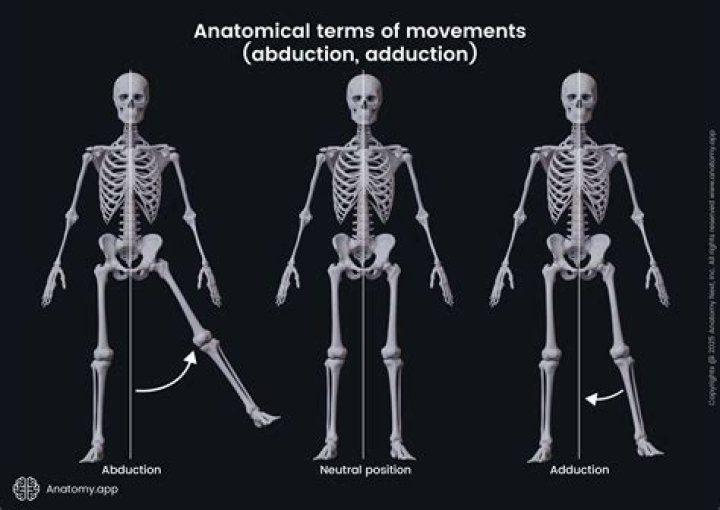
In the world of medical terminology, understanding the difference between adducted vs abducted is crucial for professionals and individuals alike. These terms may sound similar, but they describe entirely different movements of the human body. Whether you're a healthcare provider, a fitness enthusiast, or someone curious about anatomy, knowing the distinctions can enhance your comprehension of body mechanics.
Both "adducted" and "abducted" are terms used in kinesiology and anatomy to describe specific movements of the body's joints and muscles. These terms are not interchangeable, and their meanings are rooted in the Latin language. To grasp their significance, it's essential to delve into their definitions, applications, and how they impact daily activities and medical treatments.
This article will explore the differences between adducted and abducted, their relevance in medical and fitness contexts, and provide practical examples to help you better understand these terms. By the end, you'll have a clear understanding of when and how to use these terms correctly.
Definition of Adducted vs Abducted
What Does Adducted Mean?
Adducted refers to the movement of a body part toward the midline of the body. This action involves bringing limbs or other body parts closer to the central axis. For instance, when you move your arm toward your torso, you are performing an adduction. This term originates from the Latin word "adductus," which means "led toward."
Key characteristics of adduction include:
- Movement toward the midline
- Involvement of specific muscle groups
- Common in daily activities such as walking or typing
What Does Abducted Mean?
Abducted, on the other hand, refers to the movement of a body part away from the midline. This action involves moving limbs or other body parts farther from the central axis. For example, lifting your arm to the side is an example of abduction. The term "abducted" comes from the Latin word "abductus," meaning "led away."
Key characteristics of abduction include:
- Movement away from the midline
- Requires activation of different muscle groups
- Essential in activities like reaching for objects or swimming
Understanding Anatomy and Movement
To fully appreciate the distinction between adducted vs abducted, it's important to understand the anatomy involved. Muscles, joints, and ligaments all play critical roles in facilitating these movements. Each joint in the body has a specific range of motion that determines how far a limb can be adducted or abducted.
The Role of Muscles
Muscles are the primary drivers of adduction and abduction. For example:
- The pectoralis major is a key muscle in shoulder adduction.
- The deltoid muscle is responsible for shoulder abduction.
Understanding the muscle groups involved can help in diagnosing and treating injuries related to these movements.
Examples of Adduction and Abduction
Let's explore some real-life examples to better illustrate the concepts of adduction and abduction:
Examples of Adduction
- Crossing your legs while sitting
- Bringing your arms close to your body during a hug
- Squeezing a ball with your hand
Examples of Abduction
- Lifting your leg to the side while standing
- Raising your arms to the side in preparation for a jump
- Spreading your fingers apart
Biomechanics of Adduction and Abduction
Biomechanics is the study of the mechanical laws relating to the movement or structure of living organisms. In the context of adduction and abduction, biomechanics helps explain how these movements are executed and the forces involved.
Forces at Play
During adduction and abduction, various forces interact to produce smooth and controlled movements. These forces include:
- Muscular force
- Gravitational force
- Inertial force
Understanding these forces is crucial for athletes, physical therapists, and anyone interested in optimizing body movements.
Medical Relevance
In the medical field, the terms adducted vs abducted are frequently used to describe patient conditions and treatment plans. For example, a patient with a hip injury may have limited abduction, while someone with a shoulder injury may struggle with adduction.
Diagnosis and Treatment
Healthcare providers use these terms to diagnose and treat a variety of conditions, including:
- Joint disorders
- Muscle strains
- Neurological conditions
Accurate terminology ensures effective communication between medical professionals and improves patient care.
Adduction and Abduction in Fitness
For fitness enthusiasts, understanding adduction and abduction can enhance workout routines and improve overall performance. Many exercises specifically target these movements to strengthen muscles and improve flexibility.
Exercises for Adduction
- Leg adductor machine
- Side-lying leg lifts
- Groin stretches
Exercises for Abduction
- Resistance band lateral raises
- Standing hip abductions
- Side planks
Role in Sports
In sports, adduction and abduction are essential for performance and injury prevention. Athletes rely on these movements to execute skills such as kicking, throwing, and jumping. Proper training and conditioning can enhance these movements and reduce the risk of injury.
Sport-Specific Examples
- Soccer players use abduction during a kick
- Swimmers rely on adduction for efficient strokes
- Basketball players use both movements for agility
Common Injuries Related to Adduction and Abduction
While adduction and abduction are natural movements, they can lead to injuries if performed incorrectly or excessively. Common injuries include:
- Strained muscles
- Torn ligaments
- Joint dislocations
Preventing these injuries involves proper technique, adequate warm-up, and conditioning.
Treatment and Rehabilitation
Treatment for injuries related to adduction and abduction often involves a combination of rest, physical therapy, and medication. Rehabilitation exercises focus on restoring strength, flexibility, and range of motion.
Physical Therapy Techniques
- Stretching exercises
- Resistance training
- Manual therapy
Following a structured rehabilitation plan can significantly improve recovery outcomes.
Conclusion and Final Thoughts
In conclusion, understanding the difference between adducted vs abducted is essential for anyone involved in healthcare, fitness, or sports. These terms describe fundamental movements of the human body and play a crucial role in daily activities and physical performance.
We encourage readers to share this article with others who may benefit from this knowledge. Additionally, feel free to leave a comment or question below. For more informative content, explore our other articles on anatomy, fitness, and health.
Remember, mastering the basics of body mechanics can lead to improved performance and reduced risk of injury. Stay informed and stay active!