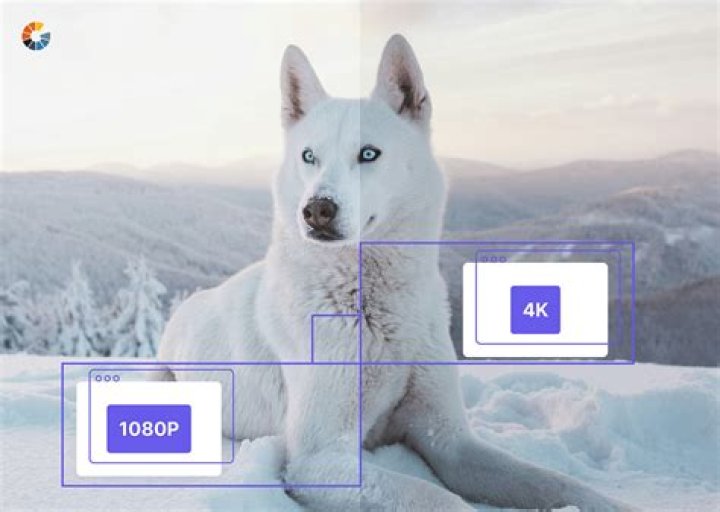
In the world of modern displays, the debate between 4K vs 1080p has become increasingly significant as technology advances. Whether you're a gamer, a movie enthusiast, or simply looking for a new display for your computer, understanding the differences between these two resolutions is crucial. This article dives deep into the nuances of 4K and 1080p, helping you make an informed decision.
The rise of high-definition content has transformed how we consume media. From smartphones to televisions, the resolution of displays plays a pivotal role in enhancing the visual experience. With 4K becoming more accessible and affordable, many consumers are questioning whether it's worth upgrading from 1080p.
In this comprehensive guide, we will explore the technical aspects, advantages, and disadvantages of both 4K and 1080p. By the end of this article, you'll have a clear understanding of which resolution aligns best with your needs and budget.
Introduction to Resolutions
Resolutions define the number of pixels displayed on a screen, which directly impacts the sharpness and clarity of images. In the context of 4K vs 1080p, the difference lies in the pixel density and overall visual quality. Understanding these terms is essential for anyone looking to invest in a new display.
Why Resolution Matters
Resolution affects not only the clarity of images but also the viewing experience. Higher resolutions like 4K provide a more immersive experience, especially on larger screens. However, factors such as screen size, viewing distance, and content quality also play a significant role in determining the best resolution for your needs.
What is 4K Resolution?
4K resolution, also known as Ultra High Definition (UHD), offers a pixel count of 3840x2160. This results in a total of approximately 8.3 million pixels, quadrupling the pixel density of 1080p. The term "4K" refers to the approximate horizontal resolution of 4000 pixels.
Advantages of 4K
- Sharper and more detailed images
- Ideal for large screens
- Enhanced color accuracy
- Future-proof technology
Limitations of 4K
- Higher price point
- Requires more powerful hardware for gaming
- Limited 4K content availability in some regions
What is 1080p Resolution?
1080p, or Full HD, has a resolution of 1920x1080 pixels, totaling approximately 2.1 million pixels. It has been the standard resolution for many years, offering a balance between image quality and affordability. Despite the rise of 4K, 1080p remains a popular choice due to its widespread compatibility and lower cost.
Advantages of 1080p
- Affordable price
- Compatible with most devices
- Sufficient quality for smaller screens
Limitations of 1080p
- Less detailed images compared to 4K
- May not be suitable for very large screens
- Less future-proof
Technical Comparison
When comparing 4K vs 1080p, several technical factors come into play, including pixel density, aspect ratio, and refresh rates. These elements collectively determine the overall performance and visual quality of a display.
Pixel Density
Pixel density refers to the number of pixels per inch (PPI) on a screen. Higher pixel density results in sharper images, making 4K displays ideal for close-up viewing. However, for larger screens viewed from a distance, the difference may not be as noticeable.
Aspect Ratio
Both 4K and 1080p typically use a 16:9 aspect ratio, ensuring compatibility with most content. This standardization makes it easier to switch between different resolutions without compromising the viewing experience.
Visual Quality
The visual quality of 4K vs 1080p is one of the most significant factors to consider. While 4K offers superior detail and clarity, the difference may not be noticeable on smaller screens or from a distance. Additionally, factors such as screen size, viewing distance, and content quality can influence the perceived difference.
Color Accuracy
4K displays often support wider color gamuts, resulting in more vibrant and accurate colors. This is particularly beneficial for tasks such as photo editing, video production, and gaming. However, for casual viewers, the difference may not be as pronounced.
Price Difference
One of the primary considerations when choosing between 4K and 1080p is the price. 4K displays tend to be more expensive due to their advanced technology and higher pixel density. However, as technology advances, the cost of 4K displays continues to decrease, making them more accessible to a wider audience.
Value for Money
When evaluating the value for money, it's important to consider your specific needs and budget. For those who prioritize visual quality and future-proofing, 4K may be the better choice. On the other hand, if budget constraints are a concern, 1080p offers a cost-effective alternative without sacrificing too much quality.
Use Cases
Different use cases may favor one resolution over the other. For example, gamers may prefer 4K for its superior visual quality, while casual users may find 1080p sufficient for their needs. Understanding your intended use can help you make a more informed decision.
Gaming
4K gaming provides an unparalleled level of detail and immersion, but it often requires more powerful hardware to run smoothly. Gamers with high-end systems may find 4K to be the ideal choice, while those with mid-range systems may opt for 1080p.
Streaming
With the rise of streaming services offering 4K content, many users are opting for 4K displays to enjoy their favorite shows and movies in the highest possible quality. However, the availability of 4K content may vary depending on your region and internet speed.
Content Availability
The availability of 4K content has increased significantly in recent years, with many streaming platforms and Blu-ray discs offering 4K options. However, in some regions, the availability of 4K content may still be limited. It's important to consider the availability of 4K content when deciding between 4K and 1080p.
Streaming Platforms
Popular streaming platforms such as Netflix, Amazon Prime Video, and Disney+ offer a wide selection of 4K content. However, the availability of 4K content may vary depending on your subscription plan and region.
Future-Proofing
As technology continues to evolve, choosing a resolution that will remain relevant in the years to come is crucial. 4K displays offer a level of future-proofing that 1080p cannot match, making them a more sustainable investment for the long term.
Technology Trends
The trend towards higher resolutions shows no signs of slowing down, with 8K displays already entering the market. While 8K may still be out of reach for most consumers, 4K remains the standard for high-quality displays and is likely to remain relevant for years to come.
Conclusion and Recommendation
In conclusion, the choice between 4K vs 1080p ultimately depends on your specific needs and budget. If you prioritize visual quality and future-proofing, 4K is the better option. On the other hand, if budget constraints are a concern, 1080p offers a cost-effective alternative without sacrificing too much quality.
We encourage you to leave a comment below sharing your thoughts on 4K vs 1080p. Additionally, feel free to explore our other articles for more insights into the world of technology and displays.
References:
- Netflix - 4K Content Availability
- DisplayMate Technologies - Display Technology Insights
- Statista - Global 4K TV Market Trends



