Kannada, one of India's most ancient and vibrant languages, plays a crucial role in shaping the cultural identity of Karnataka and its people. With over 40 million speakers worldwide, Kannada has a rich literary tradition that spans centuries. This ultimate guide to Kannada will take you on a fascinating journey through the language's history, grammar, script, and cultural significance, offering valuable insights for learners and enthusiasts alike.
Learning Kannada can be both rewarding and challenging, especially for beginners. Whether you're planning to visit Karnataka, immerse yourself in Kannada literature, or simply expand your linguistic horizons, this comprehensive guide will provide the tools and knowledge you need to succeed. From pronunciation tips to cultural nuances, we've got you covered.
This article is designed to cater to various levels of learners, from absolute beginners to advanced speakers. It will also explore the cultural and historical context of the Kannada language, helping you appreciate its depth and complexity. By the end of this guide, you'll have a solid foundation to start your Kannada journey confidently.
History of the Kannada Language
Origins and Evolution
Kannada, a Dravidian language, traces its roots back over 2,000 years. The earliest known inscriptions in Kannada date back to the 5th century CE, showcasing its ancient origins. Over the centuries, Kannada has evolved through various stages, including Old Kannada, Middle Kannada, and Modern Kannada.
During the reign of powerful dynasties such as the Chalukyas, Hoysalas, and Vijayanagara Empire, Kannada flourished as a language of administration, literature, and culture. The language's rich literary tradition includes works like the "Kavirajamarga," one of the earliest Kannada literary texts.
Influence of Other Languages
Throughout its history, Kannada has been influenced by Sanskrit, Prakrit, and other languages, enriching its vocabulary and structure. Today, Kannada continues to thrive as a modern language, adapting to contemporary needs while preserving its ancient heritage.
Kannada Script: An Overview
The Kannada script, also known as the Kannada alphabet, consists of 49 letters, including vowels, consonants, and compound characters. Its unique script is essential for reading and writing Kannada fluently.
- Vowels (14): These include basic vowels and their extended forms.
- Consonants (35): Each consonant has a distinct shape and sound.
- Compound Characters: These are combinations of consonants and vowels that form new sounds.
Mastering the Kannada script requires practice and patience, but it opens the door to understanding the language's beauty and complexity.
Basic Kannada Grammar
Structure of Kannada Sentences
Kannada follows a Subject-Object-Verb (SOV) sentence structure, which differs from English's Subject-Verb-Object (SVO) pattern. For example, "I eat rice" would be translated as "Naan saadu taayndre" in Kannada.
Verb Conjugation and Tenses
Verbs in Kannada are conjugated based on tense, gender, and number. The language has three main tenses: past, present, and future. Understanding verb forms is essential for constructing grammatically correct sentences.
Some common verb conjugations include:
- Present tense: "Naan idhe" (I am reading)
- Past tense: "Naan iddhe" (I read)
- Future tense: "Naan idhuthe" (I will read)
Pronunciation Guide for Beginners
Pronunciation plays a vital role in learning Kannada. Unlike English, Kannada has a phonetic script, meaning each letter corresponds to a specific sound. This makes pronunciation relatively straightforward once you familiarize yourself with the script.
Here are some tips for improving your Kannada pronunciation:
- Practice vowel sounds regularly.
- Pay attention to aspirated and unaspirated consonants.
- Listen to native speakers and mimic their intonation.
Using audio resources and language apps can significantly enhance your pronunciation skills.
Building Your Kannada Vocabulary
Common Kannada Words and Phrases
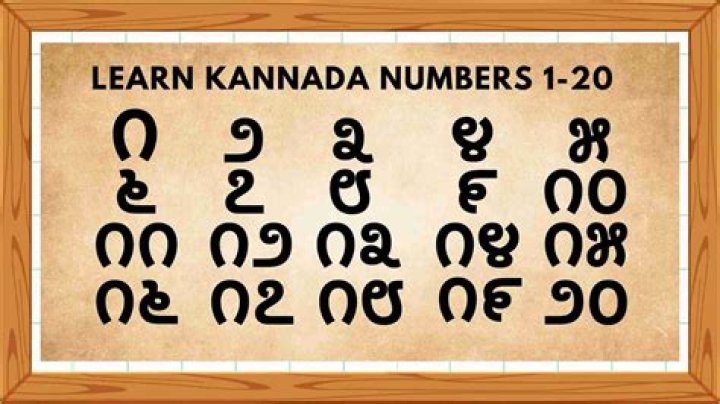
Building a strong vocabulary is key to becoming proficient in Kannada. Start with basic words and phrases, such as greetings, numbers, and everyday expressions.
Some essential Kannada words include:
- Hello: "Namaskara"
- Thank you: "Dhanyavaadagalu"
- Goodbye: "Bye"
Expanding Your Vocabulary
Reading Kannada literature, watching movies, and engaging in conversations with native speakers can help expand your vocabulary. Consistent practice and exposure to the language are crucial for long-term success.
Cultural Insights into Kannada
Kannada is not just a language; it's a reflection of Karnataka's rich cultural heritage. From traditional festivals like Ugadi and Dasara to classical music and dance forms, Kannada culture is diverse and vibrant.
Understanding the cultural context of Kannada can enhance your appreciation of the language. For instance, learning about Kannada folklore, poetry, and religious traditions can provide deeper insights into its significance.
Top Resources for Learning Kannada
Books and Textbooks
There are numerous books and textbooks available for Kannada learners, ranging from beginner to advanced levels. Some recommended titles include:
- "Learn Kannada in 30 Days"
- "Kannada Grammar for Beginners"
- "Kannada Literature Anthology"
Online Platforms
Several online platforms offer Kannada courses, lessons, and practice exercises. Websites like Duolingo, Memrise, and Khan Academy provide valuable resources for language learners.
Common Kannada Phrases for Travelers
If you're planning to visit Karnataka, knowing a few common Kannada phrases can make your trip more enjoyable. Here are some useful phrases for travelers:
- Where is the restroom? - "Naanu baadirende?"
- How much does it cost? - "Ivdu yavara ide?"
- Can you help me? - "Neevu naanu saahiduvaagi ide?"
Carrying a Kannada phrasebook or using translation apps can also be helpful during your travels.
Famous Kannada Literature and Authors
Classical Literature
Kannada literature boasts a rich collection of classical works, including epics, poetry, and drama. Prominent authors like Pampa, Ponna, and Ranna have made significant contributions to Kannada literature.
Modern Authors
In recent years, Kannada literature has gained international recognition, with authors like Kuvempu, Shivaram Karanth, and U.R. Ananthamurthy receiving prestigious awards. Their works explore themes of identity, tradition, and modernity, resonating with readers worldwide.
Conclusion: Your Next Steps in Learning Kannada
This ultimate guide to Kannada has provided a comprehensive overview of the language, covering its history, script, grammar, and cultural significance. Whether you're a beginner or an advanced learner, there are countless resources available to support your journey.
We encourage you to take the next step in your Kannada learning adventure. Practice regularly, immerse yourself in the language, and engage with the vibrant Kannada-speaking community. Don't forget to share your progress and experiences with others by leaving comments or exploring related articles on our site.
Remember, learning Kannada is not just about acquiring a new language; it's about embracing a rich cultural heritage that has shaped Karnataka for centuries. Happy learning!




