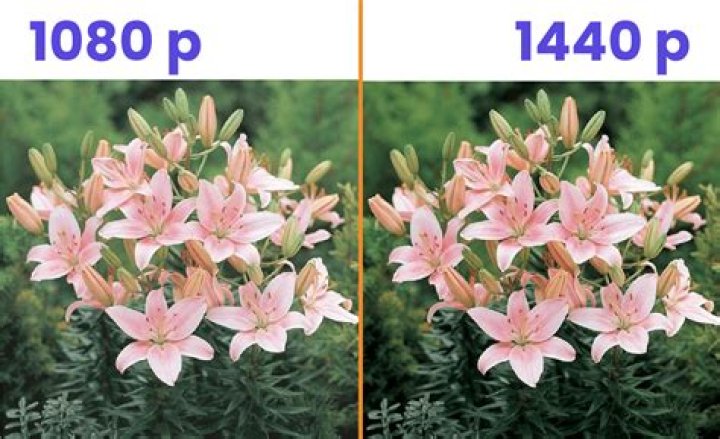
1080p resolution has become one of the most popular standards in the world of digital displays, but what exactly does it mean? In today's tech-driven world, understanding screen resolution is more important than ever. Whether you're shopping for a new TV, monitor, or smartphone, knowing the difference between resolutions can significantly impact your viewing experience.
With the rise of high-definition content, 1080p has become the benchmark for quality visuals. But beyond its catchy name, many people are still unsure of what it represents. In this article, we'll delve deep into the world of 1080p resolution, explaining its technical aspects, advantages, and how it compares to other resolutions.
Our goal is to provide you with a clear and comprehensive understanding of 1080p, empowering you to make informed decisions when it comes to purchasing or using technology that supports this resolution. Let's explore the details together!
What is 1080p Resolution?
When someone mentions "1080p," they're referring to a specific type of screen resolution. This term indicates a display with a vertical resolution of 1080 pixels. The "p" stands for "progressive scan," meaning that each line of pixels is refreshed sequentially in a continuous flow, creating a smoother image compared to interlaced displays.
Definition and Importance
1080p resolution is part of the high-definition (HD) family, which also includes 720p. While both are considered HD, 1080p offers a higher pixel count, resulting in sharper and more detailed visuals. This resolution has become the industry standard for many devices, including TVs, computer monitors, and mobile phones.
Understanding what 1080p resolution means is crucial for anyone looking to upgrade their tech setup. It ensures that you're getting the best possible image quality without breaking the bank.
Technical Specifications of 1080p
To truly grasp the significance of 1080p, let's break down its technical specifications:
Pixel Dimensions
1080p resolution consists of 1920 horizontal pixels by 1080 vertical pixels, totaling 2,073,600 pixels. This pixel density allows for incredibly sharp and detailed images, making it ideal for HD content.
Aspect Ratio
The standard aspect ratio for 1080p is 16:9, which is the widescreen format used in most modern displays. This ratio provides a balanced viewing experience, accommodating both standard and cinematic content.
Difference Between 1080p and Other Resolutions
While 1080p is widely regarded as the gold standard for HD, it's essential to compare it with other resolutions to understand its place in the market:
Comparison with 720p
- 720p offers 1280x720 pixels, resulting in a lower pixel count than 1080p.
- 1080p delivers superior image quality, making it better suited for larger screens.
Comparison with 4K
- 4K resolution, also known as Ultra HD, provides 3840x2160 pixels, quadrupling the pixel count of 1080p.
- While 4K offers unmatched detail, 1080p remains more accessible and affordable for many users.
Benefits of 1080p Resolution
There are numerous advantages to using 1080p resolution, especially when considering its balance of quality and affordability:
Sharp and Clear Images
With over two million pixels, 1080p delivers crisp and vibrant visuals, perfect for watching movies, browsing the web, or playing games.
Wide Availability
1080p devices are readily available in the market, ensuring that consumers have plenty of options when shopping for new technology.
Common Uses of 1080p
1080p resolution is versatile and can be found in a variety of applications:
TVs and Monitors
Most modern TVs and computer monitors support 1080p resolution, providing an excellent viewing experience for both entertainment and productivity.
Smartphones
Many smartphones now feature 1080p displays, allowing users to enjoy high-quality visuals on the go.
1080p in Gaming
Gaming is one area where 1080p resolution truly shines. Many gamers prefer 1080p because it offers a balance between performance and visual fidelity:
Performance and Quality
Running games at 1080p allows for higher frame rates, reducing lag and improving overall gameplay experience.
Compatibility
Most gaming consoles and PCs support 1080p, making it the go-to resolution for many players.
1080p in Streaming
Streaming services like Netflix and YouTube offer content in 1080p, ensuring that viewers can enjoy HD movies and shows without buffering:
Streaming Quality
1080p streams provide clear and detailed visuals, enhancing the overall streaming experience.
Bandwidth Considerations
Compared to 4K, 1080p requires less bandwidth, making it more accessible for users with slower internet connections.
The Future of 1080p
As technology continues to evolve, the role of 1080p in the market may shift. However, it remains a reliable and cost-effective option for many users:
Trend Toward Higher Resolutions
While 4K and even 8K resolutions are gaining popularity, 1080p will likely remain relevant for years to come, especially in budget-friendly devices.
Adaptation and Innovation
Manufacturers continue to improve 1080p displays, incorporating features like HDR and faster refresh rates to enhance the user experience.
Tips for Choosing 1080p Devices
When shopping for 1080p-compatible devices, consider the following tips:
Screen Size
Choose a screen size that matches your viewing distance to fully appreciate the benefits of 1080p resolution.
Price and Features
Balance your budget with the desired features, such as smart functionality or gaming capabilities, to find the best device for your needs.
FAQ About 1080p
What Does 1080p Stand For?
1080p stands for a resolution of 1920x1080 pixels with progressive scanning, delivering sharp and clear visuals.
Is 1080p Better Than 720p?
Yes, 1080p offers higher pixel density and superior image quality compared to 720p.
Can 1080p Compete with 4K?
While 4K provides more detail, 1080p remains a practical choice for many users due to its affordability and performance.
How Much Bandwidth Does 1080p Streaming Require?
Streaming 1080p content typically requires around 5 Mbps, depending on the platform and compression technology used.
Is 1080p Suitable for Gaming?
Absolutely! 1080p is widely regarded as the ideal resolution for gaming, offering a balance of quality and performance.
What Devices Support 1080p?
Most modern TVs, computer monitors, smartphones, and gaming consoles support 1080p resolution.
Conclusion
In conclusion, 1080p resolution remains a cornerstone of modern technology, providing an excellent balance of quality, affordability, and accessibility. Whether you're watching movies, playing games, or browsing the web, 1080p delivers a satisfying visual experience that continues to meet the needs of many users worldwide.
We encourage you to explore the wide range of 1080p-compatible devices available and find the one that best suits your lifestyle. Don't forget to share your thoughts and experiences in the comments section below, and feel free to explore our other articles for more tech insights!
Data Sources:



